.avif)


How Do Hurricane Windows Affect Ventilation?
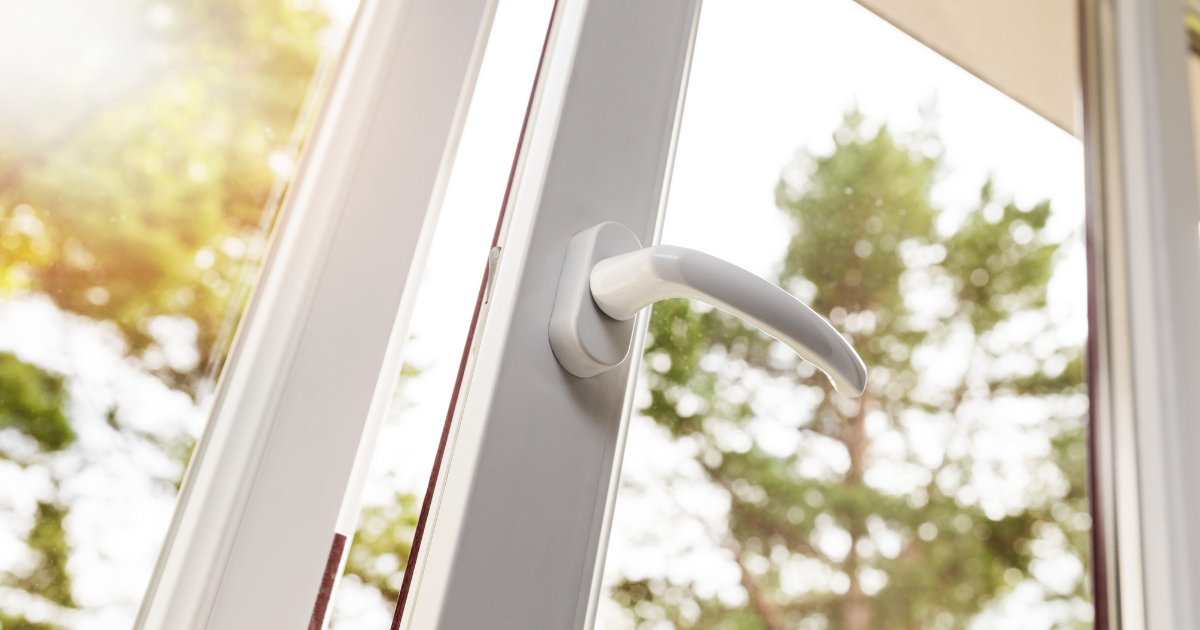

Hurricane windows affect ventilation by creating airtight seals reducing natural air infiltration by 70-80% compared to standard windows, requiring enhanced mechanical ventilation through HVAC systems, bathroom exhaust fans, and kitchen range hoods maintaining indoor air quality and preventing moisture condensation. The American Society of Heating, Refrigerating and Air-Conditioning Engineers reports properly sealed impact windows achieve 0.1-0.2 CFM per square foot air leakage rates versus 1.5-3.0 CFM for standard windows. This dramatic reduction improves energy efficiency by 20-30% but requires ventilation system upgrades ensuring adequate fresh air exchange preventing humidity buildup, condensation, and indoor air quality problems.
Modern building science recognizes buildings as integrated systems where window performance affects heating, cooling, humidity control, and ventilation. The National Institute of Standards and Technology confirms tight building envelopes require balanced ventilation strategies providing controlled fresh air while maintaining energy efficiency. Impact windows installed without ventilation consideration create overly tight homes experiencing moisture problems, stale air, and potential mold growth despite superior hurricane protection and energy performance.
This guide explains impact window air sealing effects, condensation causes, ventilation solutions, humidity control strategies, and system optimization for Doral, Kendall, and Fort Lauderdale homeowners balancing hurricane protection with indoor air quality and comfort.
Why Do Hurricane Windows Create Condensation Issues?
Hurricane windows create condensation issues because airtight construction reduces natural air exchange from 1.5-3.0 air changes per hour in standard homes to 0.3-0.5 air changes in sealed homes, trapping interior moisture from cooking, bathing, and respiration that condenses on cool glass surfaces when indoor humidity exceeds 60%. The Building Science Corporation reports South Florida's humid climate produces 2-4 gallons daily moisture from typical four-person household requiring adequate ventilation for removal. Impact window installations without ventilation upgrades create overly tight homes where moisture accumulates causing window condensation, musty odors, and potential mold growth.
Understanding Condensation Physics
Condensation occurs when warm, moisture-laden air contacts cool surfaces causing water vapor to condense into liquid droplets. The dew point temperature at which condensation begins depends on air temperature and relative humidity. At 75°F and 60% relative humidity, dew point reaches 60°F meaning any surface below this temperature develops condensation.
Impact window interior glass surfaces measure 5-10°F cooler than room air during air conditioning operation. Summer conditions with 78°F interior temperature and 60% humidity create 62°F dew point. Glass surfaces at 60°F or below collect condensation particularly in corners and bottom edges where temperatures drop lowest. The visible moisture appears as droplets, fog, or frost depending on temperature differentials.
Standard leaky windows allow moisture-laden interior air escaping through gaps and cracks preventing condensation by continuously removing humid air. Impact windows eliminate these escape routes trapping moisture indoors. Without mechanical ventilation removing excess humidity, condensation inevitably forms on coldest surfaces which typically include windows, exterior walls, and bathroom fixtures.
Moisture Sources in Homes
Cooking generates 0.5-1.5 pints daily moisture from boiling, steaming, and dishwashing. Gas ranges produce additional moisture through combustion. Kitchens without proper range hood ventilation trap cooking moisture increasing humidity throughout homes. The Environmental Protection Agency recommends vented range hoods exhausting 100-300 CFM removing moisture at source.
Bathing and showering produce 0.5 pints per shower or 2-4 pints daily for four-person households. Bathrooms without exhaust fans trap moisture causing condensation, paint peeling, and mold growth. The Home Ventilating Institute recommends bathroom fans providing 50-80 CFM continuous operation or higher rates during active use removing moisture effectively.
Human respiration and perspiration generate 0.5-1.0 pints daily per person totaling 2-4 pints for typical families. Indoor plants, aquariums, and indoor clothes drying add additional moisture. Total daily moisture production reaches 4-8 pints requiring continuous removal maintaining comfortable 40-50% relative humidity levels recommended by American Society of Heating, Refrigerating and Air-Conditioning Engineers.
Impact Window Sealing Effectiveness
Impact windows achieve air infiltration rates of 0.1-0.2 CFM per square foot compared to 1.5-3.0 CFM for standard residential windows. A home with 400 square feet of windows reduces infiltration from 600-1,200 CFM to 40-80 CFM through impact window installation. This 90% reduction dramatically improves energy efficiency but eliminates natural moisture removal.
Weatherstripping, compression seals, and continuous sealant application create virtually airtight perimeters. Quality installations show negligible air leakage during blower door testing measuring whole-house air tightness. These test results confirm excellent hurricane protection and energy performance but indicate potential ventilation inadequacy.
Older homes built before 1990 relied on natural infiltration for ventilation assuming leaky construction would provide adequate air exchange. Modern building codes require mechanical ventilation in tight homes but many retrofit impact window installations neglect these requirements. Homeowners achieve excellent energy savings then discover condensation and air quality problems requiring ventilation system upgrades.
South Florida Climate Challenges
South Florida's subtropical climate with 70-80% outdoor humidity during summer months creates challenging moisture management. Air conditioning removes moisture through refrigeration coils but adequate dehumidification requires proper system sizing, airflow, and runtime. Oversized systems short-cycle reducing dehumidification effectiveness despite adequate cooling capacity.
Year-round cooling requirements mean South Florida homes rarely benefit from natural ventilation through operable windows like temperate climates. Outdoor conditions prove too humid for window opening during 80% of year. This mechanical dependency requires proper HVAC system design and operation maintaining comfort and indoor air quality.
Coastal properties face additional challenges from salt air infiltration and marine layer humidity. Impact windows eliminate salt air intrusion protecting furnishings and electronics. However, the tighter envelope requires enhanced dehumidification capacity beyond standard HVAC systems particularly in waterfront locations with persistent humidity exposure.
Is It Worth Getting Hurricane Windows Despite Ventilation Concerns?
Yes, it is worth getting hurricane windows despite ventilation concerns because combined benefits of hurricane protection preventing $15,000-35,000 average storm damage, 8-45% insurance discounts, 20-30% energy cost reduction, enhanced security, and noise reduction justify $15,000-40,000 installation investments while ventilation issues resolve through $500-3,000 HVAC and mechanical ventilation upgrades. The Federal Alliance for Safe Homes cost-benefit analysis shows impact windows provide positive returns within 8-12 years excluding storm damage prevention value. Ventilation concerns represent manageable technical challenges rather than fundamental problems negating impact window benefits.
Hurricane Protection Value
Impact windows prevent catastrophic structural failures during hurricanes by maintaining building envelope integrity. The Insurance Institute for Business & Home Safety reports 60% of hurricane damage results from failed window and door openings allowing wind-driven water intrusion and interior pressurization. Window breaches create explosive roof failures, wall collapse, and total property loss.
Average hurricane damage for homes without impact protection ranges $15,000-35,000 per event based on storm intensity and proximity. South Florida properties face hurricane threats every 2-3 years creating expected damage of $5,000-12,000 annually without protection. Single storm damage prevention justifies entire $15,000-40,000 impact window investment immediately.
Beyond measurable financial benefits, impact windows provide peace of mind and safety for families riding out storms. Elimination of pre-storm boarding stress and physical labor proves invaluable for elderly homeowners, individuals with disabilities, and busy families. The permanent protection enables focus on other preparation activities rather than window securing.
Energy Efficiency Returns
Impact windows reduce cooling costs by 20-30% through improved insulation, Low-E coating solar heat rejection, and eliminated air infiltration. A typical 2,000 square foot Doral home with $2,400 annual cooling costs saves $480-720 yearly through impact window installation. The 10-15 year payback on energy savings alone justifies investments before considering other benefits.
Reduced HVAC runtime extends equipment lifespan by 3-5 years through decreased operating stress. Air conditioning systems in impact-protected homes experience 20-30% less cycling reducing wear on compressors and electrical components. The extended equipment life saves $5,000-8,000 in premature replacement costs over 15-20 year periods.
Improved comfort through eliminated drafts, reduced solar heat gain, and consistent temperatures enhances quality of life beyond measurable financial returns. Homeowners report better sleep quality, improved work-from-home productivity, and increased satisfaction with living spaces after impact window installation. These intangible benefits justify investments for homeowners prioritizing comfort over strict financial analysis.
Insurance Premium Savings
Insurance carriers provide 8-45% premium discounts for complete impact window and door protection verified through inspection reports. A home with $3,500 annual insurance premium saves $280-1,575 yearly through impact protection. Cumulative savings of $5,600-31,500 over 20 years offset 30-75% of installation costs depending on discount percentage.
Beyond premium savings, impact windows eliminate 2-5% hurricane deductibles creating $6,000-25,000 out-of-pocket exposure on $300,000-500,000 homes. Storm damage prevention through impact protection avoids these deductibles saving thousands during actual hurricane events. Insurance companies recognize this risk reduction through premium discounts.
Some coastal properties face insurance non-renewal without impact protection as carriers exit high-risk markets. Properties requiring surplus market coverage pay 50-150% premium increases compared to standard policies. Impact window installation maintains standard market eligibility preventing these dramatic cost increases affecting property affordability and marketability.
Ventilation Solution Costs
Ventilation system upgrades cost $500-3,000 depending on existing HVAC capacity and required modifications. Simple bathroom and kitchen exhaust fan installations cost $200-600 per fan providing targeted moisture removal at source. Whole-house ventilation systems cost $1,500-3,000 installed delivering filtered fresh air continuously.
Energy recovery ventilators cost $2,000-4,000 installed providing mechanical ventilation while recovering 70-80% of conditioning energy from exhaust air. These systems maintain indoor air quality and humidity control without sacrificing energy efficiency gains from impact windows. The combined system optimization achieves both goals without compromise.
Compared to $15,000-40,000 impact window investments, ventilation upgrades represent 5-15% additional costs. The modest incremental expense solves condensation and air quality concerns while preserving hurricane protection and energy efficiency benefits. Integrated system approach optimizes overall home performance rather than viewing windows and ventilation as separate unrelated components.
What Ventilation Solutions Work Best with Hurricane Windows?
Ventilation solutions working best with hurricane windows include continuous operation bathroom and kitchen exhaust fans removing 50-100 CFM, whole-house mechanical ventilation systems providing 0.35 air changes hourly per ASHRAE 62.2 standards, energy recovery ventilators maintaining efficiency while exchanging air, and properly sized HVAC systems with adequate dehumidification capacity for South Florida's humid climate. The Building Science Corporation recommends integrated ventilation strategies combining source control (exhaust fans), dilution (fresh air supply), and moisture removal (dehumidification) achieving optimal indoor air quality and comfort in tight homes with impact windows.
Exhaust Fan Upgrades
Bathroom exhaust fans should operate continuously or on occupancy sensors rather than manual switches homeowners forget activating. Continuous operation at 50 CFM removes moisture consistently preventing humidity buildup. Higher-capacity fans at 80-110 CFM handle shower moisture during active use then reduce to continuous lower rates afterward.
Kitchen range hoods venting outdoors remove cooking moisture and pollutants at source before distribution throughout homes. Recirculating hoods using charcoal filters prove inadequate for moisture control. Vented range hoods should provide 100-300 CFM capacity depending on cooking equipment and usage patterns. The Home Ventilating Institute recommends 100 CFM per linear foot of cooktop width.
Modern ultra-quiet fans using DC motors and improved blade designs operate at 0.3-1.5 sones noise levels eliminating objections to continuous operation. Previous-generation fans producing 3-6 sones noise discouraged use. The quiet operation enables 24/7 operation without disturbing occupants. Quality fans cost $150-400 installed providing reliable moisture removal.
Whole-House Ventilation Systems
Supply ventilation introduces filtered fresh outdoor air through duct systems distributing throughout homes. The incoming air dilutes indoor pollutants and moisture while slightly pressurizing homes preventing uncontrolled infiltration. HVAC-integrated supply systems cost $800-1,500 installed using existing ductwork and air handling equipment.
Balanced ventilation provides equal supply and exhaust flows maintaining neutral pressure relationships. These systems typically use energy recovery ventilators or heat recovery ventilators exchanging heat and sometimes humidity between incoming and outgoing airstreams. The heat recovery maintains energy efficiency while providing mechanical ventilation. Complete systems cost $2,000-4,000 installed.
Exhaust ventilation using centralized fans or multiple room fans creates slight negative pressure drawing fresh air through controlled inlets or building leakage. This approach costs least at $500-1,000 installed but proves least efficient in humid climates where incoming humid air increases cooling loads. Supply or balanced ventilation prove preferable for South Florida applications.
Energy Recovery Ventilator Benefits
ERVs transfer heat and moisture between incoming and outgoing airstreams recovering 70-80% of conditioning energy. Summer operation recovers coolness from exhaust air precooling hot humid outdoor air before entering homes. Winter operation recovers warmth from exhaust air preheating cool outdoor air reducing heating loads.
Moisture transfer in ERVs helps dehumidify incoming summer air reducing latent cooling loads on HVAC systems. This moisture recovery proves particularly valuable in South Florida where humidity control challenges exceed sensible cooling requirements. The ERV pre-conditions ventilation air before reaching air conditioning coils improving overall system efficiency.
ERVs cost $2,000-4,000 installed but save $200-400 annually on energy costs compared to unrecovered ventilation. The 7-12 year payback justifies investment for homeowners planning extended residence. Combined with impact window energy savings, ERVs create highly efficient tight building envelopes maintaining excellent indoor air quality.
HVAC System Optimization
Proper HVAC sizing proves critical for humidity control in tight homes with impact windows. Oversized systems cool spaces rapidly then shut off preventing adequate dehumidification. Manual J load calculations using impact window specifications determine correct equipment capacity typically 30-40% smaller than previous systems due to envelope improvements.
Variable-speed air handlers and compressors provide superior dehumidification through extended runtime at lower capacities. These systems modulate output matching loads precisely rather than cycling on-off. The continuous operation removes moisture effectively maintaining 40-50% relative humidity even during mild weather with minimal cooling needs.
Standalone dehumidifiers supplement air conditioning in borderline conditions when cooling needs prove minimal but humidity remains high. Whole-house dehumidifiers integrate with HVAC systems costing $1,500-3,000 installed or portable units serve specific areas at $200-600 each. The supplemental dehumidification ensures comfort during Florida's humid spring and fall periods.
If you need certified impact window installation integrated with proper ventilation system design for your Doral, Kendall, or Fort Lauderdale property, ASP Windows & Doors coordinates with HVAC contractors ensuring optimal indoor air quality and comfort while providing maximum hurricane protection. Our experienced team recognizes building science principles connecting windows, insulation, and mechanical systems creating high-performance homes. Call (888) 782-8342 to schedule your free consultation with integrated system recommendations and project estimates. We serve residential and commercial properties throughout Miami-Dade, Broward, and Palm Beach counties with comprehensive solutions addressing hurricane protection, energy efficiency, and indoor air quality together rather than as separate concerns.
Now Accepting Appointments
Proudly serving homeowners and businesses across South Florida and Southwest Florida. Book your visit and let our experts help protect and upgrade your space.
.avif)
.avif)
.avif)
%201.avif)
Insights & Resources
Stay informed with expert tips on impact windows, hurricane protection, and South Florida building standards.


%201.webp)
%201%20(1).webp)


%201.svg)
%201%20(1)%20(1).webp)
.png%20(1).webp)
.png.webp)
.avif)
.avif)


.avif)


.png)
.png)