.avif)


Expert Spring Cleaning Tips
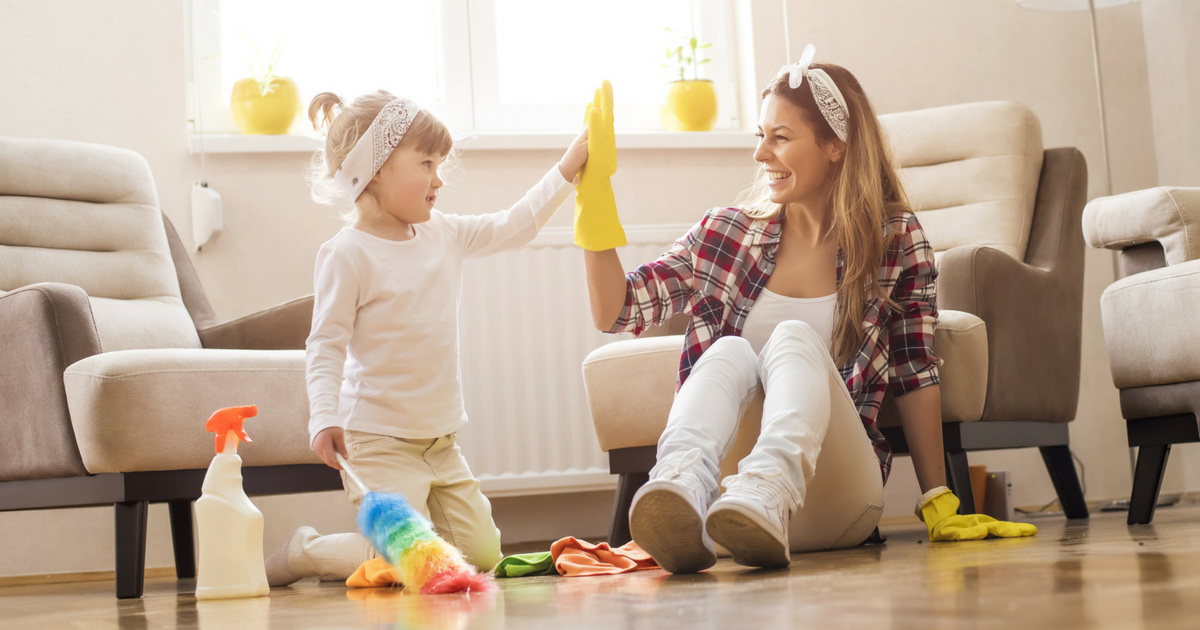

Expert spring cleaning tips include systematic room-by-room organization, tackling ceiling-to-floor cleaning sequences, using proper cleaning solutions for different surfaces, decluttering before deep cleaning, and establishing maintenance schedules preventing future buildup. Professional cleaning services report comprehensive spring cleaning takes 15-25 hours for average 2,000 square foot homes when following methodical approaches. The American Cleaning Institute recommends spring cleaning annually to remove accumulated grime, allergens, and bacteria that regular maintenance cleaning misses.
Spring cleaning originated from practical necessity when homes transitioned from winter heating to summer ventilation requiring removal of soot, dust, and closed-environment accumulation. Modern spring cleaning maintains this tradition addressing seasonal needs including window cleaning for increased natural light, HVAC filter replacement before cooling season, and outdoor space preparation for warm weather use.
This guide provides room-by-room cleaning strategies, surface-specific techniques, organization methods, and efficiency tips for Doral, Kendall, and Fort Lauderdale homeowners preparing homes for Florida's summer season.
How Do You Clean Walls and Ceilings Effectively?
Clean walls and ceilings effectively by starting with dry dusting using microfiber cloths or vacuum extensions, then washing with mild detergent solutions mixed at 2 tablespoons per gallon of water, working from top to bottom in small sections, and rinsing with clean water to prevent residue buildup. The Soap and Detergent Association recommends testing cleaning solutions in inconspicuous areas before full application preventing paint damage or discoloration. Professional cleaners complete wall and ceiling cleaning in 2-3 hours per room using proper techniques and equipment.
Ceiling Cleaning Methods
Vacuum ceilings using extension wands with soft brush attachments removing cobwebs, dust, and loose debris. Start in room corners working toward centers in overlapping passes. The American Lung Association reports ceiling dust contains allergens, mold spores, and particulates affecting indoor air quality when disturbed.
Flat paint finishes require gentle cleaning avoiding excessive moisture or scrubbing that removes paint. Mix 1/4 cup white vinegar per gallon of warm water creating mild cleaning solution. Apply with barely damp microfiber mops wrung thoroughly preventing drips. Work in 4x4 foot sections allowing proper attention without solution drying on surfaces.
Textured ceilings including popcorn or knockdown finishes resist wet cleaning due to water-soluble texturing compounds. Vacuum-only cleaning proves safest for these surfaces. Stubborn stains require professional assessment potentially needing spot priming and repainting rather than washing attempts causing texture damage.
Wall Washing Techniques
Remove picture frames, wall decor, and outlet covers before cleaning. Vacuum walls using soft brush attachments removing loose dust and cobwebs. This dry cleaning prevents mud formation when wet cleaning begins. Pay attention to baseboards, crown molding, and corners accumulating heaviest dust deposits.
Painted walls tolerate gentle washing using pH-neutral cleaners. Mix 2 tablespoons mild dish soap or all-purpose cleaner per gallon of warm water. Use two buckets maintaining one for washing solution and one for rinse water. Natural sponges or microfiber cloths apply gentle pressure avoiding paint finish damage.
Kitchen walls require degreasing solutions handling cooking residue and grease splatter. Commercial degreasers like Krud Kutter or Simple Green work effectively when used per manufacturer directions. Alternatively, mix 1/4 cup white vinegar with 1 tablespoon baking soda per gallon of water creating natural degreasing action. Rinse thoroughly preventing sticky residue attracting future dirt.
Stain Removal Solutions
Crayon marks respond to baking soda paste or Magic Eraser products. Apply gentle circular motions avoiding excessive pressure damaging paint. The National Association of Professional Organizers recommends immediate stain treatment preventing permanent setting requiring repainting.
Scuff marks from shoes or furniture contact clean using tennis balls rubbed gently on marks. The rubber composition lifts marks without chemicals or paint damage. Alternatively, apply small amounts of non-gel toothpaste buffing with soft cloths.
Mold and mildew stains require 1:3 bleach-to-water solutions for non-porous painted surfaces. Spray affected areas allowing 10-minute contact time before scrubbing with stiff brushes. Rinse thoroughly and ensure proper ventilation during application. Address underlying moisture sources preventing mold return including humidity control and leak repairs.
What Are the Best Carpet and Upholstery Cleaning Methods?
The best carpet and upholstery cleaning methods include hot water extraction (steam cleaning) removing 85-95% of dirt and allergens, dry powder cleaning for delicate fabrics, and professional cleaning every 12-18 months per Carpet and Rug Institute recommendations. Regular vacuuming removes surface dirt but deep cleaning extracts embedded soil, dust mites, and bacteria from carpet fibers. The Institute of Inspection, Cleaning and Restoration Certification reports proper cleaning extends carpet lifespan by 5-7 years through preserved fiber integrity.
Carpet Deep Cleaning Techniques
Vacuum thoroughly before deep cleaning removing loose dirt preventing mud formation during wet cleaning. Use crevice tools along baseboards and furniture edges capturing accumulated debris. The Carpet and Rug Institute recommends vacuuming high-traffic areas 2-3 times weekly and entire carpet weekly maintaining appearance and hygiene.
Rent commercial hot water extraction machines from hardware stores at $30-50 daily rates. These machines spray hot cleaning solution into carpet fibers while simultaneously extracting dirty water. Use manufacturer-recommended cleaning solutions avoiding harsh chemicals damaging carpet backing or leaving residue. Work in overlapping passes ensuring complete coverage without over-wetting.
Allow 6-12 hours drying time before replacing furniture. Improve drying with fans, dehumidifiers, and open windows promoting air circulation. Walk on damp carpet with clean socks or shoe covers preventing re-soiling. The Environmental Protection Agency warns inadequate drying promotes mold growth within 24-48 hours requiring professional remediation.
Upholstery Cleaning Approaches
Check furniture tags for cleaning codes: W (water-based cleaners), S (solvent-based cleaners), WS (either method), or X (vacuum only). Following manufacturer recommendations prevents damage voiding warranties. Test cleaning solutions on hidden areas verifying colorfastness before proceeding with visible surfaces.
Water-safe upholstery cleans using mild detergent solutions applied with spray bottles and extracted with clean towels. Avoid over-wetting preventing water damage to cushion foam and frame wood. Work in small sections maintaining control over moisture application. The Furniture Industry Research Association recommends professional cleaning every 2-3 years for optimal maintenance.
Solvent-based cleaners suit delicate fabrics and antique furniture where water causes damage. Products like Guardsman or Woolite Dry Cleaner apply via aerosol foam lifting dirt without moisture. Vacuum dried residue after manufacturer-specified waiting periods. Consider professional cleaning for valuable or delicate pieces preventing DIY damage.
Stain Treatment Protocols
Address spills immediately blotting (not rubbing) with clean white cloths absorbing maximum liquid. Work from stain edges toward centers preventing spread. The American Cleaning Institute warns rubbing drives stains deeper into fibers making removal difficult or impossible.
Common household stain removers include club soda for wine and juice, hydrogen peroxide for blood, and ice cubes for gum removal. Enzyme cleaners work effectively on organic stains including food, pet accidents, and bodily fluids. Apply per product directions allowing adequate contact time before blotting and rinsing.
Professional stain removal services cost $75-150 but save replacement expenses for severely stained items. Upholstery replacement costs $500-2,000 per furniture piece while carpet replacement runs $3-8 per square foot installed. Professional intervention proves economical for valuable items or stubborn stains.
How Do You Clean and Maintain Windows for Maximum Clarity?
Clean and maintain windows for maximum clarity by washing with 1:1 water and white vinegar solution, using squeegees for streak-free results, cleaning on cloudy days preventing rapid drying, and addressing both interior and exterior surfaces quarterly per professional window cleaning standards. The International Window Cleaning Association recommends systematic approaches starting with frame and sill cleaning before glass washing preventing dirt transfer. Professional window cleaners complete average homes in 2-4 hours achieving superior results through proper techniques and equipment.
Interior Window Cleaning
Remove window treatments, blinds, and decorative items before cleaning. Vacuum window sills, tracks, and frames using brush attachments removing loose dirt and dead insects. Wipe frames with all-purpose cleaner and damp cloths addressing accumulated grime.
Mix cleaning solution using equal parts water and white vinegar or 2 tablespoons dish soap per gallon of water. Spray glass surfaces liberally allowing solution to loosen dirt. Scrub with microfiber cloths or non-abrasive sponges using circular motions. The Glass Association of North America warns abrasive scrubbers scratch glass requiring expensive repair or replacement.
Squeegee cleaned glass using overlapping horizontal or vertical strokes. Wipe squeegee blade with lint-free cloths between passes preventing streak transfer. Start at top working downward allowing gravity to assist. Dry edges and corners with clean cloths removing remaining moisture. Alternatively, use crumpled newspaper for streak-free drying through mild abrasive action and ink properties.
Exterior Window Cleaning
Hose exterior windows removing loose dirt and spider webs before washing. Apply cleaning solution using spray bottles, sponges, or soft-bristle brushes on extension poles for second-story access. The Occupational Safety and Health Administration warns ladder use causes 500,000+ annual injuries emphasizing safe access methods.
Scrub glass and frames thoroughly addressing weather-related grime including pollen, bird droppings, and mineral deposits. South Florida's hard water creates white spotting requiring vinegar or commercial mineral removers. Apply undiluted vinegar to stubborn deposits allowing 5-10 minute contact before scrubbing.
Rinse with hoses or squeegee with clean water preventing cleaning solution residue. Work on cloudy days or shaded sides avoiding direct sun causing rapid drying and streaking. Professional window cleaning services cost $150-300 for average homes providing twice-yearly maintenance many homeowners prefer over DIY efforts.
Screen and Hardware Maintenance
Remove window screens spraying with hoses to dislodge loose dirt. Scrub with soft brushes and mild detergent solution cleaning both sides thoroughly. Rinse completely and air dry before reinstallation. The Window Covering Manufacturers Association recommends annual screen cleaning improving airflow and appearance.
Clean window tracks using vacuum crevice tools removing accumulated dirt and debris. Spray tracks with all-purpose cleaner scrubbing with old toothbrushes or detail brushes. Wipe clean with damp cloths and dry thoroughly. Apply silicone spray lubricant to tracks and hardware ensuring smooth window operation.
Polish metal hardware including locks, handles, and hinges using appropriate metal cleaners. Brass and bronze hardware respond to products like Brasso while stainless steel uses specialized stainless cleaners. Lubricate moving parts with light machine oil or silicone spray preventing corrosion and ensuring longevity.
What Organization Strategies Make Spring Cleaning More Efficient?
Organization strategies making spring cleaning more efficient include decluttering before deep cleaning, using room-by-room systematic approaches, creating cleaning supply caddies for mobility, establishing donation and disposal piles immediately, and scheduling specific tasks over multiple days preventing overwhelm. Professional organizers report decluttering saves 40-50% of cleaning time by eliminating unnecessary items requiring movement and maintenance. The National Association of Productivity and Organizing Professionals recommends breaking projects into manageable tasks maintaining motivation and achieving completion.
Decluttering Methods
Apply one-year rule discarding items unused within past year. Exceptions include seasonal decorations, special occasion clothing, and sentimental items with genuine emotional value. The average American home contains 300,000 items with families using only 20% regularly according to organizational research.
Create sorting categories: keep, donate, sell, trash, and relocate. Use labeled boxes or bags maintaining organization during decision processes. Handle each item once making immediate decisions preventing procrastination and pile accumulation. The KonMari method asks if items "spark joy" providing emotional decision framework.
Address paper clutter including junk mail, old magazines, expired coupons, and outdated documents. Shred financial documents and personal information protecting identity. Digitize important papers reducing physical storage needs. The Federal Trade Commission recommends retaining tax documents seven years and medical records indefinitely.
Room-by-Room Scheduling
Tackle one room completely before moving to next spaces. This systematic approach provides completion satisfaction maintaining motivation. Allocate realistic time estimates: bathrooms 2-3 hours, bedrooms 3-4 hours, kitchens 4-6 hours, living areas 3-5 hours.
Start with least-used spaces building momentum before addressing high-traffic areas. Guest rooms, storage areas, and basements prove easier psychologically than master bedrooms or kitchens with emotional attachments. Early wins encourage continuation through more challenging spaces.
Schedule deep cleaning over multiple weekends rather than single marathon sessions. This approach prevents exhaustion maintaining quality results. Alternate physically demanding tasks with lighter activities providing recovery periods. Include family members assigning age-appropriate responsibilities distributing workload.
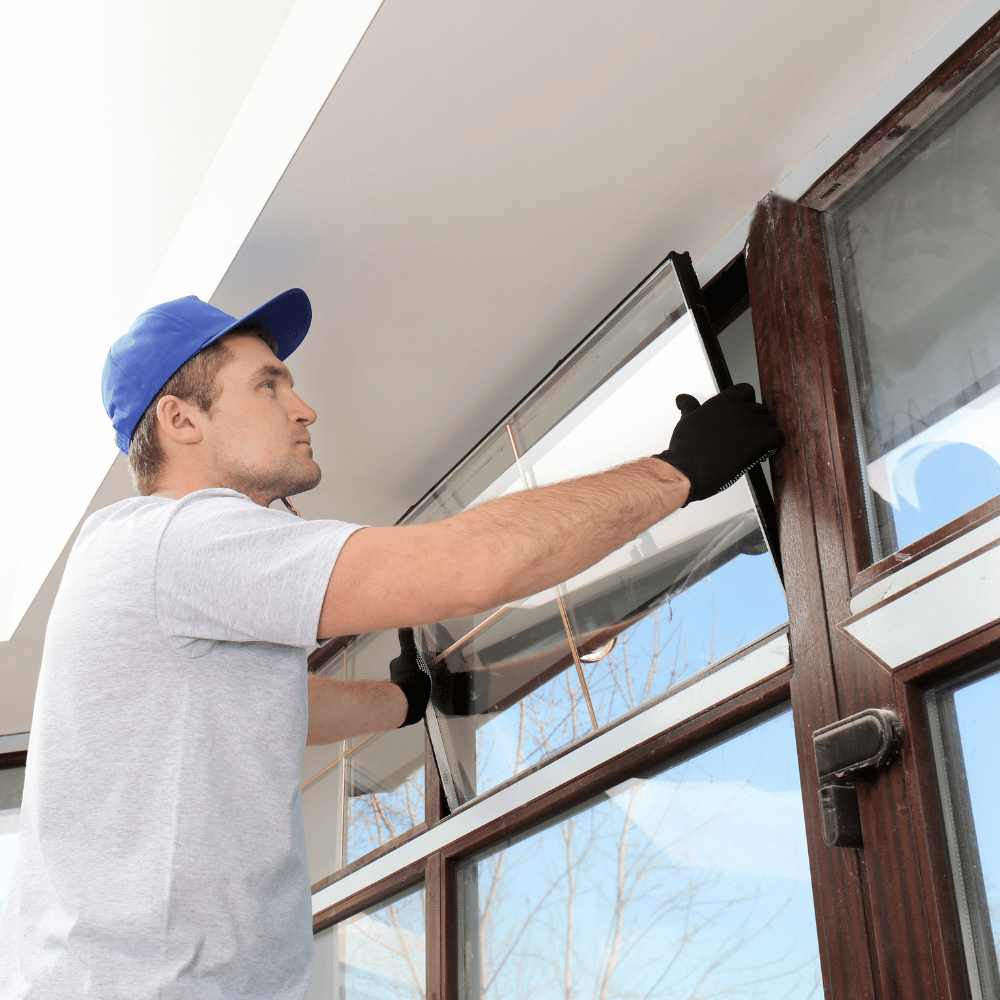
If you need professional window cleaning or impact window maintenance for your Doral, Kendall, or Fort Lauderdale home during spring cleaning, ASP Windows & Doors provides complete window care services including cleaning, seal inspection, and hardware lubrication. Our experienced team ensures hurricane windows maintain optimal performance and appearance year-round. Call (888) 782-8342 to schedule window cleaning and maintenance services. We serve residential properties throughout Miami-Dade, Broward, and Palm Beach counties with flexible scheduling and comprehensive window care solutions.
Now Accepting Appointments
Proudly serving homeowners and businesses across South Florida and Southwest Florida. Book your visit and let our experts help protect and upgrade your space.
.avif)
.avif)
.avif)
%201.avif)
Insights & Resources
Stay informed with expert tips on impact windows, hurricane protection, and South Florida building standards.



%201.webp)
%201%20(1).webp)

%201.svg)
%201%20(1)%20(1).webp)
.png%20(1).webp)
.png.webp)
.avif)
.avif)


.avif)


.png)
.png)