.avif)


Can You Tint Impact Windows?

Yes, you can tint impact windows safely because the laminated glass construction and interior air space prevent heat retention issues that cause thermal stress fractures. According to the International Window Film Association, professionally applied window film adds 15-30% additional energy efficiency to impact-rated glass systems. Miami-Dade County building officials confirm that approved window tinting does not void hurricane protection certifications when applied to the interior glass surface.
Florida homeowners face unique challenges with solar heat gain and UV exposure. The National Oceanic and Atmospheric Administration reports South Florida receives 3,000+ hours of direct sunlight annually with UV index readings of 10-11+ during summer months. Impact windows already include Low-E coatings that block 70-85% of UV radiation, but additional tinting can increase total solar energy rejection to 90-95% according to Lawrence Berkeley National Laboratory testing data.
This guide covers safe tinting methods for hurricane-rated windows, energy efficiency improvements, manufacturer warranty considerations, and professional installation requirements for Doral, Kendall, and Fort Lauderdale properties.
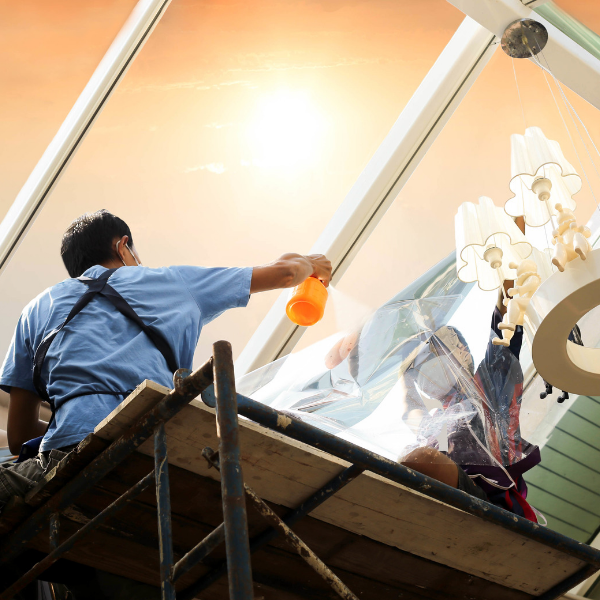
Does Window Tint Damage Windows?
No, window tint does not damage windows when the correct film type, adhesive strength, and installation method match the glass construction and manufacturer specifications. The Window Film Association reports that thermal stress fractures occur in less than 0.5% of professional installations. These rare failures happen when high-absorption films create temperature differentials exceeding 15-20°F between tinted and untinted glass sections.
Thermal Stress Factors in Standard Windows
Single-pane windows absorb 20-30% of solar radiation naturally. Adding dark tinting films increases absorption to 60-70%, creating internal glass temperatures of 140-160°F in direct Florida sunlight. The Glass Association of North America testing shows thermal expansion rates of 0.0000045 inches per inch per degree Fahrenheit. Temperature differentials above 20°F between glass center and edge create stress fractures at seal points.
Standard annealed glass has tensile strength of 6,000 PSI. Thermal stress adds 1,000-2,000 PSI of tension to existing wind load, temperature cycling, and structural movement stresses. Windows facing south or west with dark frames, restricted air circulation, or partial shading experience the highest failure rates.
Why Impact Windows Handle Tinting Better
Hurricane impact windows in Doral use laminated glass construction with two 3-4mm glass panes bonded to 0.060-inch PVB interlayers. This design distributes thermal stress across multiple layers instead of concentrating forces in single-pane systems. The Federal Alliance for Safe Homes confirms that laminated impact glass maintains structural integrity at temperature differentials up to 40°F.
The air space between exterior and interior glass panes in impact window systems provides thermal isolation. Exterior pane temperatures reach 130-150°F in direct sun, while interior pane temperatures stay 20-30°F cooler due to the insulating air gap. This natural temperature gradient prevents the rapid heating that causes standard windows to crack.
Film Selection Guidelines for Impact Glass
The International Window Film Association recommends films with total solar energy rejection of 50-70% for impact windows. Films absorbing more than 50% of solar radiation create excessive heat buildup between glass panes. Reflective or ceramic films that reject rather than absorb solar energy provide better performance with lower thermal stress.
Manufacturer specifications typically allow interior surface temperatures up to 160°F for impact-rated glass. Film installers measure glass surface temperatures before and after application using infrared thermometers. Temperature increases above 25°F indicate film absorption levels that may void manufacturer warranties.
What Type of Window Tint Is Best for Impact Windows?
Ceramic and metalized window films work best for impact windows because they reject 50-75% of solar heat through reflection rather than absorption, maintaining glass temperatures within manufacturer specifications. The Lawrence Berkeley National Laboratory rates ceramic films at 60-70% total solar energy rejection with absorption rates below 15%. These films preserve impact window warranties while adding measurable energy savings.
Ceramic Tinting Technology
Ceramic window films use nano-ceramic particles suspended in polyester film layers. These particles reflect infrared radiation wavelengths of 780-2,500 nanometers that carry 50% of solar heat energy. The Solar Energy Industries Association reports ceramic films reduce interior temperatures by 8-12°F compared to untinted impact glass.
Ceramic films maintain 70-90% visible light transmission while blocking 99% of UV-A and UV-B radiation. This combination provides glare reduction without the dark appearance of dyed films. Llumar and 3M manufacture ceramic films rated for 15-20 year lifespan in South Florida's intense UV exposure.
Premium ceramic films cost $8-12 per square foot installed compared to $4-6 for standard dyed films. The energy savings offset higher initial costs within 5-7 years based on Florida Power & Light residential cooling cost data. These films also prevent furniture fading, carpet discoloration, and artwork damage from UV exposure.
Metalized Film Performance
Metalized window films incorporate aluminum or bronze metal layers that reflect 40-60% of solar radiation. The metal coating creates a mirror-like exterior appearance with 30-50% visible light transmission. These films excel at daytime privacy for ground-floor windows facing streets or neighboring properties.
Metal content provides electromagnetic interference shielding that blocks 90-95% of radio frequency signals. This feature appeals to homeowners concerned about wireless signal exposure or electronic privacy. However, the metal layer can interfere with cellular signals, WiFi networks, and GPS devices near treated windows.
Metalized films cost $5-8 per square foot installed with expected lifespan of 10-15 years. The reflective surface shows higher long-term durability in salt air environments compared to dyed films. Many homeowners in Miami Beach and Coral Gables choose metalized films for oceanfront properties where corrosion resistance matters.
Dyed Film Limitations
Dyed window films absorb 40-60% of solar radiation using carbon-based pigments in polyester layers. These films provide excellent glare reduction and privacy but create the highest thermal stress on glass surfaces. Surface temperatures increase 30-40°F with dark dyed films, approaching the failure threshold for some impact window manufacturers.
The pigments fade and turn purple after 5-7 years of Florida sun exposure. Bubbling, peeling, and adhesive failure become visible as the film degrades. Professional installers in Kendall rarely recommend dyed films for impact windows due to warranty concerns and short service life.
Dyed films cost $3-5 per square foot installed, making them the most affordable option. Budget-conscious homeowners accept the shorter lifespan and potential warranty issues for immediate cost savings. These films work better on north-facing windows with limited direct sun exposure.
Combination Film Technology
Hybrid films combine ceramic particles with light metal coatings for 65-80% total solar energy rejection. These premium products cost $10-15 per square foot installed but provide maximum performance for west-facing windows and high-rise installations with extreme sun exposure. The Insurance Institute for Business & Home Safety rates combination films at 15-18°F interior temperature reduction.
How Much Does Window Tinting Cost for Impact Windows?
Professional window tinting for impact windows costs $6-12 per square foot installed in South Florida, with total project costs ranging from $800-2,500 for average single-family homes. The International Window Film Association reports that material quality, window size, and installation difficulty account for 70% of price variation. A standard 3-foot by 5-foot impact window requires $90-180 for professional ceramic film installation.
Material Cost Breakdown
Ceramic window films cost $3-6 per square foot for material only. Premium brands like 3M Prestige Series, Llumar CTX, and SunTek CeramicIR command higher prices for superior optical clarity and lifetime warranties. These materials include scratch-resistant coatings and UV stabilizers that maintain performance in Florida's harsh climate.
Metalized films cost $2-4 per square foot for materials. Standard dyed films cost $1.50-2.50 per square foot but professional installers in Fort Lauderdale rarely recommend them for impact windows due to thermal stress concerns. The material cost represents 40-50% of total installation pricing.
Bulk purchases for whole-house projects reduce per-square-foot material costs by 15-20%. Ordering 400-600 square feet qualifies for contractor pricing that saves $200-400 on material expenses. The remaining cost covers labor, preparation supplies, and warranty coverage.
Labor and Installation Costs
Professional installation labor costs $3-6 per square foot depending on window accessibility, preparation requirements, and project complexity. Ground-floor windows with easy access cost less than upper-floor installations requiring ladders or scaffolding. Sliding glass doors and large picture windows require two-person installation teams that increase hourly rates.
Experienced installers complete 10-15 standard windows per day at $150-200 per window including materials. Complex installations with window frame removal, extensive cleaning, or custom cutting reduce daily output to 6-8 windows. The average Doral home with 20-25 windows requires 2-3 days of installation work.
Mobile installation services add $50-100 trip charges for residential appointments. Shop-based installers offer lower rates but require homeowners to transport windows to the facility. This option only works for new construction or major renovation projects where windows are already removed.
Additional Cost Factors
Hurricane impact windows in Doral installations require specific film types that maintain manufacturer certifications. Films approved for impact glass by PGT, CGI, and other major manufacturers cost 10-15% more than standard products. Using non-approved films voids warranty coverage and creates liability issues.
Removing old window film adds $1-2 per square foot to project costs. Degraded film requires chemical strippers, razor scraping, and extensive cleaning before new film application. The Window Film Association recommends professional removal to prevent glass scratching and adhesive residue.
Extended warranties covering film defects, installation failures, and color shifting cost $100-300 for whole-house projects. These warranties provide 10-15 year coverage compared to standard 5-7 year manufacturer warranties. They include free replacement for bubbling, peeling, or discoloration issues.
Cost Comparison by Film Type
Film TypeMaterial Cost/SFInstallation Cost/SFTotal Cost/SFExpected LifespanDyed Film$1.50-2.50$3-4$4.50-6.505-7 yearsMetalized Film$2-4$3-5$5-910-15 yearsCeramic Film$3-6$3-6$6-1215-20 yearsHybrid Film$4-8$4-7$8-1515-20 years
Energy Savings Analysis
The Florida Solar Energy Center reports window tinting reduces cooling costs by 10-20% for homes with impact windows. A typical 2,000 square foot Kendall home with $180 monthly summer cooling bills saves $18-36 monthly with ceramic window film. Annual savings of $150-300 provide 4-7 year payback periods on $1,200-2,000 tinting investments.
Homes with west-facing windows and afternoon sun exposure see higher savings percentages. Properties with older HVAC systems running at reduced efficiency gain more benefit from reduced solar heat load. Florida Power & Light offers rebates of $0.15-0.25 per square foot for qualified window film installations that meet specific energy performance criteria.
Can You Install Window Tint on Impact Windows Yourself?
No, DIY window tint installation on impact windows is not recommended because improper application techniques, incorrect film selection, and installation mistakes void manufacturer warranties and create thermal stress failures. The International Window Film Association reports that 40% of DIY installations fail within 18 months due to bubbling, peeling, edge lifting, or adhesive problems. Professional installers provide warranty coverage and ensure compliance with impact window manufacturer specifications.
Technical Installation Challenges
Impact window tinting requires specific surface preparation that removes factory coatings, construction residue, and environmental contaminants. Professional installers use pH-neutral cleaners that don't damage Low-E coatings or PVB interlayers. They inspect glass surfaces for defects, scratches, or seal failures that affect film adhesion.
Film application requires dust-free environments with controlled humidity and temperature. Outdoor installations in South Florida's 70-80% humidity create moisture bubbles and adhesive failures. Professional shops maintain climate-controlled spaces at 65-75°F and 40-50% humidity for optimal curing conditions.
Cutting film to precise window dimensions requires specialized tools and techniques. Measurements must account for frame overlap, seal areas, and thermal expansion gaps. Errors create visible gaps, overlapping seams, or film stress at edges. Professional installers use computer-controlled plotters for complex window shapes.
Warranty Implications
PGT Industries, CGI Windows, and other impact window manufacturers require professional installation of approved films to maintain warranty coverage. DIY installations automatically void product warranties covering seal failures, glass breakage, and thermal stress damage. Replacement costs of $800-1,200 per window exceed any DIY savings.
Professional window film installers carry liability insurance covering glass damage during installation. This protection matters because impact windows cost 3-4 times more than standard windows to replace. DIY installers accept full financial responsibility for any installation damage or failures.
Film manufacturers provide 10-15 year warranties only through authorized dealer networks. These warranties cover material defects, color shifting, and adhesive failures but require proof of professional installation. DIY installations receive no manufacturer support or replacement coverage.
Tool and Material Requirements
Professional-grade squeegees, application solution, cutting tools, and heat guns cost $200-400 for quality equipment. Single-use projects don't justify these investments compared to $6-12 per square foot professional installation costs. Rental tools lack the precision required for bubble-free application.
Application solution requires specific surfactant concentrations that vary by film type and manufacturer. Incorrect mixture ratios cause adhesive failures or leave residue patterns. Professional installers use proprietary solutions tested for each film product.
Heat shrinking film around curved edges and corners requires experience to avoid overheating damage. Excessive heat melts adhesive layers and distorts film optics. Insufficient heat creates wrinkles and stress points that fail within months.
Learning Curve and Error Costs
First-time installers average 2-3 hours per window compared to 20-30 minutes for professionals. The learning process creates wasted material from cutting errors, application mistakes, and contamination issues. Film material costs $100-200 for practice windows before achieving acceptable results.
Bubbles, wrinkles, and dust contamination require complete film removal and reapplication. The removal process often scratches glass surfaces or damages Low-E coatings. These mistakes cost $50-100 per window in wasted materials plus potential glass replacement expenses.
What Are the Benefits of Tinting Impact Windows?
Tinting impact windows provides 10-20% additional energy savings, 99% UV protection, enhanced privacy, reduced glare, and furniture preservation while maintaining hurricane protection certification. The Lawrence Berkeley National Laboratory reports combined Low-E glass and ceramic window film systems achieve 0.25-0.30 Solar Heat Gain Coefficient ratings compared to 0.40-0.50 for untinted impact windows. This improvement reduces cooling loads by 150-300 BTU per square foot of glass area daily during Florida summers.
Energy Efficiency Enhancement
Impact windows with Low-E coatings block 70-85% of infrared radiation. Adding ceramic window film increases total solar energy rejection to 85-95% according to the International Window Film Association. This combined system reduces summer interior temperatures by 8-15°F in direct sunlight compared to untinted impact glass.
The Florida Solar Energy Center measures 12-18% cooling cost reduction for South Florida homes adding window film to existing impact windows. A Kendall home with $2,400 annual cooling costs saves $288-432 yearly with professional ceramic film installation. The 4-7 year payback period makes tinting one of the most cost-effective energy upgrades available.
Window film reduces HVAC runtime by 15-25% during peak afternoon hours when air conditioning systems work hardest. This reduced cycling extends compressor lifespan and decreases maintenance requirements. Florida Power & Light data shows homes with tinted windows experience 20-30% fewer HVAC service calls over 10-year periods.
UV Protection and Furniture Preservation
Untinted impact windows block 70-80% of UV radiation with standard Low-E coatings. Ceramic window films increase UV rejection to 99.5-99.9% for both UV-A (315-400nm) and UV-B (280-315nm) wavelengths. The Skin Cancer Foundation recommends window film for homes in high-exposure regions like South Florida where UV index readings exceed 10 during summer months.
UV radiation causes $3-5 billion in annual furniture, flooring, and artwork damage according to the American Society of Interior Designers. Wood furniture fading, leather cracking, carpet discoloration, and artwork degradation occur from cumulative UV exposure over 6-12 months in direct sunlight. Window film extends furniture lifespan by 5-10 years through UV elimination.
Hardwood flooring replacement costs $8-12 per square foot in areas where UV damage causes color shifting and finish degradation. Preventing this damage through $6-12 per square foot window film installation saves thousands in flooring restoration expenses. The same protection applies to window treatments, upholstery, and decorative items near glass surfaces.
Privacy Enhancement
Reflective and tinted films provide daytime privacy for ground-floor windows facing streets, sidewalks, or neighboring properties. Metalized films create one-way mirror effects with 70-90% exterior reflection during daylight hours. This privacy protection works in Doral neighborhoods with close property spacing and limited natural screening.
Privacy window films cost less than permanent solutions like privacy glass, decorative etching, or exterior landscaping. The $5-8 per square foot installation compares favorably to $15-25 per square foot for replacement privacy glass. Films also offer flexibility because they can be removed or replaced when privacy needs change.
Ground-floor bedroom and bathroom windows benefit most from privacy tinting. These applications combine security benefits with energy efficiency improvements. Many Fort Lauderdale homeowners choose darker tints for these specific windows while using lighter films elsewhere.
Glare Reduction Benefits
South Florida's intense sunlight creates computer screen glare, TV viewing interference, and eye strain in rooms with large glass areas. Window film reduces visible light transmission to 30-60% compared to 80-90% for standard impact glass. This glare control improves home office productivity and media room viewing quality.
The Illuminating Engineering Society recommends visible light levels of 30-50 foot-candles for computer work areas. Uncontrolled sunlight through windows creates 500-1,000 foot-candles that require constant blind adjustment. Window film maintains consistent light levels while preserving exterior views and natural light benefits.
Glare reduction particularly benefits homes with south and west-facing sliding glass doors and picture windows. These large glass areas create afternoon heat and light issues that force homeowners to close blinds and lose view access. Tinted impact-resistant door installations in Doral solve both problems simultaneously.
Do Impact Windows Need Special Window Film?
Yes, impact windows need special window film approved by the window manufacturer because non-approved films create thermal stress, void warranties, and potentially compromise hurricane protection certification. PGT Industries, CGI Windows, and other manufacturers maintain approved film lists specifying maximum absorption rates, adhesive types, and installation methods. Using non-approved films voids product warranties and creates liability issues for wind damage claims.
Manufacturer Approval Requirements
Impact window manufacturers test window films for thermal stress using ASTM C1279 thermal cycling protocols. These tests measure glass surface temperatures, stress levels, and seal integrity through temperature cycles from 40°F to 160°F. Films passing these tests receive written approval for warranty compliance.
Approved film lists specify total solar absorption limits of 35-50% for most impact window systems. Higher absorption rates create excessive heat buildup between glass panes that can damage PVB interlayers or compromise seal integrity. The Federal Alliance for Safe Homes confirms proper film selection maintains impact ratings and Miami-Dade County Notice of Acceptance certifications.
PGT Industries provides approved film documentation for specific product lines including WinGuard, Eze-Breeze, and architectural series windows. CGI Windows publishes similar approval lists for Sentinel, Fortress, and commercial impact systems. Installers must verify film compatibility before application to maintain manufacturer support.
Installation Method Specifications
Manufacturers require interior glass surface application only for most impact window systems. Exterior film application exposes the film to direct weather, UV degradation, and potential damage during storms. Interior installation also prevents film from interfering with gasket seals and weatherstripping.
Approved installation methods prohibit film application to laminated glass edges or seal areas. Film must stop 3-5mm from frame edges to prevent moisture intrusion and seal compression issues. Edge gaps also accommodate thermal expansion without creating film stress or edge lifting.
Some hurricane window systems with Low-E coating on interior glass surface #4 require special film adhesives. Standard adhesives may not bond properly to Low-E coatings or can damage the coating during removal. Professional installers verify surface coating location and select compatible film products.
Miami-Dade County Requirements
High Velocity Hurricane Zone (HVHZ) properties in Miami-Dade and Broward counties require impact windows meeting specific wind pressure and debris impact standards. Window film installation must not compromise these certifications or void Notice of Acceptance numbers. Building inspectors may require documentation proving film compatibility during permitting or resale inspections.
The Miami-Dade County Product Control Division does not separately test window films but requires manufacturer documentation confirming film approval. Homeowners must maintain records showing professional installation of approved films. This documentation protects property values and ensures insurance coverage for wind damage claims.
Some insurance carriers in South Florida request manufacturer warranty confirmation during policy underwriting or claim processing. Window film installations without proper documentation may trigger coverage questions or claim denials. Maintaining approval records protects homeowners from these complications.
If you're considering window tinting to complement your hurricane protection system, ASP Windows & Doors provides complete impact window solutions for South Florida properties. Our certified installers help Doral, Kendall, and Fort Lauderdale homeowners select film products that maintain manufacturer warranties while maximizing energy efficiency. Call (888) 782-8342 to discuss your window tinting options and schedule a free consultation. We serve residential and commercial properties throughout Miami-Dade, Broward, and Palm Beach counties with showroom appointments available.
Now Accepting Appointments
Proudly serving homeowners and businesses across South Florida and Southwest Florida. Book your visit and let our experts help protect and upgrade your space.
.avif)
.avif)
.avif)
%201.avif)
Insights & Resources
Stay informed with expert tips on impact windows, hurricane protection, and South Florida building standards.


%201.webp)
%201%20(1).webp)

%201.svg)
%201%20(1)%20(1).webp)
.png%20(1).webp)
.png.webp)
.avif)
.avif)


.avif)


.png)
.png)