.avif)


Can You Paint Vinyl Windows and What You Should Know
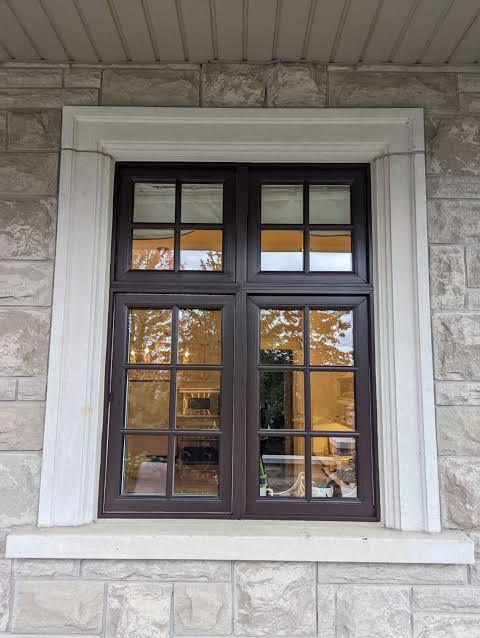

Yes, you can paint vinyl windows, but the results depend entirely on the paint you choose, the preparation you do beforehand, and the color you pick. Vinyl is a thermoplastic made from polyvinyl chloride (PVC), and its smooth, non-porous surface resists paint adhesion without proper priming. Dark paint colors absorb solar heat that can push vinyl past its softening point, which warps the frame and breaks the seal around the glass. Most window manufacturers also void the warranty the moment paint touches the vinyl surface. Painting vinyl windows is possible when done correctly, but it carries real risks that every homeowner should understand before picking up a brush or sprayer.
This article covers everything you need to know about painting vinyl windows, from the right type of paint and primer to use, to the step-by-step prep process, to the science behind why dark colors damage vinyl frames. We also cover warranty implications, common mistakes, paint removal, interior versus exterior painting, and when replacing the windows is the smarter long-term decision.
Key Takeaways
- Vinyl windows can be painted, but only with a bonding primer and a 100% acrylic exterior latex or urethane-acrylic enamel formulated for vinyl surfaces.
- Paint colors must have a Light Reflectance Value (LRV) of 55 or higher to prevent heat absorption that warps the PVC frame; vinyl begins softening at approximately 176°F.
- Most major manufacturers, including Pella, Andersen, and Anlin, void the warranty once vinyl windows are painted.
- Painted vinyl windows need repainting every 5 to 7 years, compared to a 20- to 40-year lifespan for factory-finished vinyl.
- Proper preparation, including cleaning, 220-grit sanding, and bonding primer application, is non-negotiable for adhesion.
- Replacing old vinyl windows with factory-colored impact windows eliminates painting entirely and provides hurricane protection, energy savings, and preserved warranty coverage.
Can You Paint Vinyl Windows, and Should You?
Vinyl windows can be painted when you use the correct primer, the right paint, and a light enough color to avoid heat damage. The process is not as simple as painting wood or metal frames, because PVC has a slick, non-porous surface that standard paint cannot grip. According to GEALAN Windows, vinyl's thermal expansion coefficient measures approximately 3.33 × 10⁻⁵ in/in per °F, which makes the material seven times more reactive to temperature changes than glass. Paint applied to a surface that expands and contracts at that rate needs flexibility, strong chemical bonding, and UV resistance to survive even a few years.
The global vinyl window market reached approximately $32 billion in 2024, according to Market Research Future, making vinyl the most popular residential window frame material in North America. A 2025 survey by This Old House found that 32% of homeowners who purchased new windows chose vinyl, and over 40% of all window buyers cited energy efficiency as their top priority. Vinyl windows earn that popularity through low maintenance, strong insulation, and long service life. Painting them introduces a maintenance cycle that vinyl was specifically designed to eliminate.
Is It a Good Idea to Paint Vinyl Windows?
Painting vinyl windows is a reasonable idea only when the windows are older, out of warranty, and you want a temporary cosmetic refresh at lower cost than full replacement. If the windows are newer and still covered by the manufacturer's warranty, painting them is a poor trade. You sacrifice warranty protection for a paint job that lasts 5 to 7 years at best, according to multiple industry sources including Thompson Creek and MinimalandModern. The factory-applied color on vinyl windows is not a surface coating. Manufacturers mix pigment directly into the PVC resin during extrusion, which means the color runs through the entire thickness of the frame and never peels, chips, or fades the way surface paint does.
Homeowners who want a different color on newer windows are better served by contacting the manufacturer about factory-applied color upgrades or exploring replacement options that come in the color they want from the start. The decision to paint should come only after weighing the warranty risk, the ongoing maintenance cost, and whether the windows have enough remaining lifespan to justify the effort.
What Kind of Paint Will Stick to Vinyl Windows?
The kind of paint that sticks to vinyl windows is a 100% acrylic exterior latex paint or a urethane-acrylic enamel specifically rated for use on PVC and vinyl surfaces. These formulas flex with the frame as it expands and contracts through temperature changes, and they resist UV degradation better than standard house paint. Sherwin-Williams Emerald Urethane Trim Enamel is one of the most widely recommended products by professional painters for vinyl window frames, because it levels smoothly, cures hard, and retains enough flexibility to move with the vinyl through seasonal thermal cycling.
A bonding primer is required underneath the paint. Standard primers do not create a strong enough chemical bond with PVC's slick surface. Products labeled "bonding primer" or "adhesion primer" are designed for hard-to-paint surfaces like vinyl, plastic, and laminate. INSL-X STIX Waterborne Bonding Primer, Rust-Oleum Bonding Primer, and KILZ Adhesion High-Bonding Primer all perform well on vinyl window frames, according to multiple product testing reviews.
Oil-based alkyd paints should be avoided on vinyl. Alkyd formulas become brittle as they cure, which conflicts with vinyl's constant movement from thermal expansion. Brittle paint on a flexible surface cracks and peels faster than acrylic formulas that retain elasticity over time.
What Is the Best Paint for Vinyl Windows?
The best paint for vinyl windows is an exterior-grade urethane-modified acrylic enamel paired with a vinyl-specific bonding primer, applied in a color with a Light Reflectance Value (LRV) of 55 or higher. The LRV measures how much light a color reflects versus absorbs. True white has an LRV of 100, and pure black has an LRV of 0. Sherwin-Williams developed their VinylSafe color technology around the LRV 55 threshold specifically because colors at or above that value reflect enough solar energy to keep vinyl surfaces below the temperature at which warping begins.
The VinylSafe palette includes over 100 approved colors, ranging from warm whites and soft greiges to light-base mid-tones. These colors can be applied using Sherwin-Williams Emerald, Duration, Resilience, Latitude, or SuperPaint exterior latex paints. For homeowners who want a satin or semi-gloss sheen on their vinyl frames, semi-gloss is the better choice because it resists dirt accumulation and cleans more easily than flat finishes.
How Do You Prep Vinyl Windows for Paint?
You prep vinyl windows for paint by cleaning the surface, lightly sanding with 220-grit sandpaper, masking the glass, applying a bonding primer, and allowing full cure time before painting. Preparation is the difference between a 5- to 7-year result and a job that peels within months. Skipping any step weakens the bond between paint and PVC, and once the bond fails, the entire surface needs stripping and redoing.
- Clean the vinyl frames thoroughly with a mild detergent and water to remove all dirt, grease, and oxidation. Rinse with clean water and allow the surface to dry completely. Any residue left on the vinyl creates a barrier between the primer and the PVC.
- Sand the vinyl lightly with 220-grit sandpaper or a fine sanding sponge. The goal is to scuff the surface just enough to give the primer something to grip. Vinyl is intentionally smooth, so this light abrasion is critical. Do not use coarse-grit sandpaper, which can gouge the surface and leave visible marks under the paint.
- Vacuum or wipe the sanding dust with a tack cloth. Any particles left on the surface will be sealed under the primer and create bumps in the finish.
- Mask all glass panes with painter's tape or liquid mask-and-peel. Press tape edges firmly to prevent paint from bleeding onto the glass. Cover surrounding walls, sills, and any hardware you do not want painted.
- Apply one even coat of bonding primer to all vinyl surfaces. Use a high-quality brush for edges and a mini foam roller for flat areas, or spray with an HVLP sprayer for the smoothest result. Allow the primer to dry fully per the product label, typically 1 to 2 hours before recoating and 24 hours before topcoating.
- Apply two thin coats of acrylic exterior paint, allowing the recommended recoat time between each coat (usually 4 to 6 hours). Thin coats prevent drips, sags, and uneven coverage. Two thin coats produce a more durable finish than one thick coat.
- Remove masking tape while the final coat is slightly tacky. Pull tape at a 45-degree angle for the crispest paint line. Allow the full paint system to cure for 3 to 7 days before closing windows or handling the frames aggressively.
The ideal conditions for painting vinyl windows are shade or indirect light, a surface temperature between 50°F and 85°F, and relative humidity below 70%. Painting in direct sunlight or extreme heat causes the paint to dry too fast, which weakens the bond and produces an uneven finish.
What Happens If You Don't Sand Before You Paint Vinyl Windows?
Paint applied to unsanded vinyl windows peels, flakes, and lifts within weeks to months because the primer cannot form a mechanical bond with the smooth PVC surface. Sanding creates microscopic scratches in the vinyl that give the primer a physical texture to grip. Without those scratches, the primer sits on top of a slick surface with nothing to hold it in place. The thermal expansion cycle then does the rest. As the vinyl frame heats up and expands during the day, and cools and contracts at night, the unbonded primer and paint separate from the surface in sheets.
The 220-grit sandpaper recommendation exists because it is fine enough to create adhesion texture without damaging the structural integrity of the vinyl. Coarser grits, like 80 or 120, remove too much material and leave deep grooves that show through the paint. Finer grits above 320 do not create enough texture to help adhesion. The 220-grit range hits the right balance for PVC surfaces.
What Happens If You Put Paint on Vinyl Without Primer?
Paint applied to vinyl without primer bubbles, peels, and separates from the frame because standard topcoat paint cannot bond chemically with polyvinyl chloride on its own. Bonding primer contains adhesion promoters that create a chemical bridge between the PVC surface and the paint layer above it. Without that bridge, the paint film sits on top of the vinyl with no anchor. Temperature fluctuations, moisture exposure, and physical contact then break the weak surface tension holding the paint in place.
According to multiple paint manufacturers, bonding primer is especially critical on vinyl because PVC does not absorb liquid the way wood or drywall does. Wood pulls primer into its pores, creating a physical interlock. PVC is non-porous, which means the bond must be entirely chemical rather than mechanical. That chemical bond is what bonding primer provides. Regular latex primers and standard exterior primers lack the adhesion promoters needed for this type of bond, which is why they fail on glass glazing surfaces and vinyl alike.
Can You Spray Paint Vinyl Windows?
Yes, you can spray paint vinyl windows, and spray application often produces the smoothest, most factory-like finish on vinyl frames. An HVLP (high volume, low pressure) sprayer delivers a fine mist of paint that lays down evenly without brush marks, roller texture, or drip lines. For smaller projects, a custom color-matched aerosol can serves as a convenient alternative that still produces a smooth result without the setup and cleanup of a full sprayer system.
Brush application works but tends to leave visible stroke marks on vinyl's smooth surface, especially in tight corners and around window grids. A short-angle sash brush paired with a mini foam roller is the best manual approach if spraying is not possible. The brush handles cut-in work around the glass, and the roller smooths the flat surfaces of the frame and sash.
Regardless of the application method, the same preparation rules apply. Spray paint does not bond any better than brushed paint without proper cleaning, sanding, and priming. The application method affects the surface finish quality, not the adhesion strength.
How Many Coats of Paint Do Vinyl Windows Need?
Vinyl windows need one coat of bonding primer and two thin coats of acrylic topcoat paint for a durable, even finish. The primer creates the adhesion layer. The first coat of paint builds color coverage. The second coat of paint fills any thin spots and creates the uniform film thickness needed for long-term durability and UV protection.
Thick single coats are worse than two thin coats on vinyl for two reasons. First, thick coats trap solvents beneath the surface, which causes bubbling as those solvents try to escape. Second, thick coats dry on the outside while remaining soft underneath, which produces a finish that dents, scratches, and peels more easily. Each coat should be thin enough to dry uniformly through the full film thickness. Respecting the recoat time between layers, typically 4 to 6 hours, allows the previous coat to cure properly before the next one is applied.
Can You Paint Vinyl Windows Black or a Dark Color?
You can paint vinyl windows black or dark only when using a vinyl-safe paint system with infrared-reflective pigments, and even then, the risk of heat-related warping remains significantly higher than with lighter colors. Rigid PVC has a glass transition temperature of approximately 176°F (80°C), according to Biology Insights and BASTONE Plastics. At that temperature, the polymer chains gain molecular mobility and the material begins to soften and lose its structural shape. A dark-painted vinyl surface exposed to direct sunlight can reach 160°F to 180°F on a summer day, according to Super Window House. That temperature range sits right at the threshold where PVC starts to deform.
The Light Reflectance Value (LRV) of the paint determines how much solar energy the color absorbs versus reflects. Sherwin-Williams built their VinylSafe technology around the LRV 55 minimum specifically to prevent heat buildup that softens vinyl. Standard black paint has an LRV around 3 to 6. A soft charcoal at LRV 35 to 45 gives a near-dark appearance with significantly less heat load than true black. For South Florida homeowners, where UV intensity and ambient temperatures are already extreme, the risk of painting vinyl windows dark is even higher than in northern climates.
Sources: Sherwin-Williams VinylSafe Color Technology; GEALAN Windows thermal expansion data; Super Window House surface temperature testing; Biology Insights PVC glass transition temperature research.
Vinyl's thermal expansion coefficient of 3.33 × 10⁻⁵ in/in per °F means that a 10-foot vinyl frame can shift up to one-quarter inch between winter and summer, according to GEALAN. Dark paint intensifies that cycle by raising peak surface temperatures, which increases the total expansion range and accelerates seal degradation. The seal between the glass and the frame is what keeps the insulating gas fill inside double-pane windows. When that seal breaks from excessive thermal cycling, the window loses its energy efficiency permanently.
What Are Common Mistakes When Painting Vinyl Windows?
The most common mistakes when painting vinyl windows are skipping the bonding primer, choosing a color that is too dark, painting over hardware and drainage holes, applying coats that are too thick, and painting in direct sunlight or extreme temperatures. Each of these errors leads to premature paint failure, frame damage, or operational problems with the window.
- Skipping the bonding primer is the single most common cause of paint peeling on vinyl. PVC's non-porous surface cannot hold standard topcoat paint without a chemical adhesion layer underneath. Even thorough sanding cannot compensate for a missing primer coat.
- Choosing a color with an LRV below 55 without using vinyl-safe IR-reflective paint causes heat absorption that softens and warps the vinyl frame. Many homeowners learn this only after the frame bows and the window no longer operates smoothly.
- Painting over weep holes and drainage channels prevents water from escaping the frame's interior drainage system. Vinyl windows are engineered with small weep holes at the bottom of the frame that allow condensation and rainwater to drain out. Clogging these holes with paint causes water to pool inside the frame, which promotes mold growth and can damage the surrounding wall structure.
- Applying thick coats traps solvents and moisture inside the paint film, producing bubbles, uneven curing, and a soft surface that scratches easily. Two thin coats cure uniformly and produce a harder, more durable finish.
- Painting when the surface temperature is above 85°F or below 50°F prevents proper adhesion and curing. Hot surfaces flash-dry the paint before it can level and bond. Cold surfaces slow the chemical curing process to the point where the paint never reaches full hardness.
Professional painters who specialize in vinyl surfaces avoid every one of these errors by following manufacturer technical data sheets precisely. The preparation and application process matters more on vinyl than on any other common window frame material, because PVC offers no forgiveness for skipped steps.
Does Painting Vinyl Windows Void the Warranty?
Yes, painting vinyl windows voids the warranty with most major window manufacturers. Pella states that they do not recommend painting their vinyl products and that doing so will void the warranty. Andersen Windows instructs homeowners not to apply paint or any finish to their vinyl and Fibrex products, as it will affect warranty coverage. A representative for Anlin confirmed to DunRite Windows that once installed, vinyl windows and doors cannot be properly painted, and painting automatically voids the warranty. These policies exist because manufacturers engineer the factory finish as part of the window's performance system. Altering that finish changes the thermal behavior of the frame in ways the manufacturer did not test or approve.
Some manufacturers allow painting with specific restrictions. A few will permit light colors that fall within their approved palette, and may request a paint chip for review before granting permission. If your vinyl windows carry an active warranty, the safest step is to contact the manufacturer directly before purchasing any paint or primer. Getting written confirmation of what is permitted, and under what conditions, protects you if a warranty claim arises later.
For homeowners whose vinyl windows are already past their warranty period, the warranty concern is less relevant. In that case, the decision to paint comes down to whether the cost and effort of painting every 5 to 7 years is worth the result compared to replacement with factory-colored windows that never need repainting.
How Long Does Paint Last on Vinyl Windows?
Paint lasts 5 to 7 years on vinyl windows when the preparation is done correctly and a vinyl-rated acrylic paint is used, according to Thompson Creek and multiple painting industry sources. Sun-exposed frames, dark colors, and high-humidity climates shorten that timeline. Poor preparation is the most common reason paint fails in under 2 years. Even under ideal conditions, painted vinyl never matches the durability of the original factory finish, which lasts the full 20- to 40-year lifespan of the window itself.
The repainting cycle adds cumulative cost over the life of the window. Professional painting runs $200 to $500 per window, according to Thompson Creek. DIY painting costs $50 to $150 per window in materials alone. Over a 20-year period, a homeowner who repaints every 6 years will invest 3 to 4 rounds of painting into windows that may need replacement anyway. That cumulative cost often exceeds the cost of simply replacing the windows with factory-finished models in the desired color.
Can You Paint Interior Vinyl Windows?
Yes, interior vinyl windows can be painted, and interior painting carries lower risk than exterior painting because interior surfaces are not exposed to direct UV radiation, rain, or extreme temperature swings. The primer and paint requirements remain the same: a bonding primer formulated for PVC, followed by two thin coats of acrylic latex paint. Interior latex paint rated for trim and cabinetry works well for interior vinyl frames because it produces a hard, smooth finish that resists scuffing.
Interior painting avoids the biggest risk factor of exterior painting, which is solar heat absorption. A vinyl window frame that faces interior climate-controlled air does not reach the 160°F to 180°F surface temperatures that cause warping on exterior surfaces. This makes interior painting a safer option for homeowners who want a color change on the inside of their windows without the warping risk. The same LRV restrictions that apply outdoors are largely unnecessary indoors, so darker accent colors on interior window trim carry minimal structural risk.
One caution applies even to interior painting. If the window is still under warranty, interior painting may void that coverage just as exterior painting would. The manufacturer's policy typically covers the entire product, not just the exterior-facing surfaces.
Can You Paint Vinyl Trim Around Windows?
Yes, vinyl trim around windows can be painted using the same bonding primer and acrylic paint system used on the window frames themselves. Vinyl trim, also called J-channel or casing trim, is made from the same PVC material as the window frame and responds to paint in the same way. The same preparation rules apply: clean, sand with 220-grit, apply bonding primer, and topcoat with two thin layers of acrylic exterior paint.
Many homeowners paint the trim and the frame at the same time for a unified look. This approach is efficient because the masking, priming, and painting can happen as a single project. Painting only the trim while leaving the frame a different color is also an option for creating a contrasting accent, as long as both the trim and frame colors stay within the LRV 55 minimum on exterior surfaces. For homeowners considering a broader update to their window aesthetic, custom design options allow matching trim and frame colors from the factory without the need for paint.
How Do You Remove Paint from Vinyl Windows?
You remove paint from vinyl windows using a plastic scraper, a heat gun on its lowest setting, or a vinyl-safe chemical paint stripper. Metal scrapers, razor blades, and aggressive abrasives should never be used on vinyl because they scratch and gouge the PVC surface. Once the smooth factory surface of vinyl is damaged by scraping, it cannot be restored to its original condition.
A heat gun softens the paint enough to lift it with a plastic putty knife. Keep the heat gun moving at all times and hold it 6 to 8 inches from the surface. Concentrated heat in one spot can soften the vinyl itself, not just the paint. Chemical paint strippers labeled "safe for PVC" or "safe for vinyl" dissolve the paint without damaging the underlying material. After stripping, clean the surface thoroughly with water and allow it to dry before deciding whether to repaint or leave the original vinyl surface exposed.
If previous paint was applied without proper preparation and the surface is flaking badly, stripping the entire frame back to bare vinyl and starting fresh with bonding primer produces better results than trying to paint over failing paint. Layering new paint on top of old paint that has poor adhesion creates a sandwich of weak layers that all fail together.
Should You Paint Vinyl Windows or Replace Them?
Replacing vinyl windows is the better long-term investment when the existing windows are more than 15 years old, show signs of seal failure, or need a color change that would require dark paint below the safe LRV threshold. A 2025 This Old House survey found that homeowners who installed replacement windows saved an average of $42.50 per month on energy bills, which adds up to over $5,100 in savings over 10 years. Those savings come from modern double-pane or triple-pane glass with low-emissivity (Low-E) coatings and gas fills that reduce heat transfer by up to 70% compared to older single-pane windows.
Painting preserves the old glass, the old seals, and the old frame engineering. Replacing upgrades all three to current performance standards. For Florida homeowners, replacement also opens the door to impact-rated windows that meet Florida Building Code requirements for the High Velocity Hurricane Zone. The Insurance Institute for Business and Home Safety reports that 40% of hurricane structural damage occurs through window and door failures. Impact windows eliminate that vulnerability while providing year-round security, noise reduction, and energy efficiency that painted standard windows cannot deliver.
The math is straightforward. Painting a window costs $200 to $500 per window professionally, lasts 5 to 7 years, and preserves no warranty. Replacing a window costs more upfront but lasts 20 to 40 years, carries a full manufacturer warranty, and eliminates the 5- to 7-year repainting cycle entirely. Over a 20-year period, the cumulative cost of painting often approaches or exceeds the one-time cost of replacement. Impact doors and windows also qualify for insurance premium reductions of 10% to 45% in Florida, according to the Florida Office of Insurance Regulation, which further offsets the upfront investment.
What Colors Do Vinyl Windows Come In?
Modern vinyl windows come in 12 to 20 or more factory colors, including white, almond, beige, clay, bronze, black, dark brown, gray, green, and custom color matches that eliminate the need to paint. Factory coloring is fundamentally different from surface painting. Manufacturers either mix pigment throughout the entire PVC resin during extrusion, which means the color runs through the full thickness of the frame, or they apply a factory-bonded color coating in a controlled environment that produces a finish far more durable than field-applied paint.
Factory-finished black vinyl windows use specialized PVC formulations with heat-stabilizing additives and sometimes capstock technology that reflects infrared radiation while absorbing visible light. These engineered dark-colored frames pass the same thermal cycling tests that standard white vinyl passes. Field-applied black paint, by contrast, lacks those built-in heat management properties, which is why factory-finished dark windows perform safely while painted dark windows carry a high warping risk.
Homeowners who want sliding doors and windows in a unified color can select matching factory finishes across the entire product line without painting a single frame.
The same factory color options extend to entry doors, fiberglass doors, and specialty glass products, so every opening in the home can share a consistent look.
Interior treatments like window blinds can then be coordinated to the window color for a fully matched design from frame to finish.
Frequently Asked Questions
How Often Should Exterior Windows Be Painted?
Exterior windows should be painted every 5 to 7 years if the frames are vinyl, and every 7 to 10 years if the frames are wood. The timeline depends on the paint quality, the color chosen, the amount of direct sun exposure, and the local climate. South-facing and west-facing windows degrade faster because they absorb more UV radiation and heat throughout the day. Vinyl frames painted with vinyl-safe acrylic paint in light colors at or above LRV 55 hold up longer than frames painted with standard exterior latex in darker shades.
Can I Just Paint Over Old Exterior Paint on Vinyl Windows?
You can paint over old exterior paint on vinyl windows only if the existing paint is in good condition, meaning it is firmly bonded, not peeling, not cracking, and not chalking heavily. If the old paint is failing in any area, you need to strip it back to bare vinyl and start with bonding primer before applying new paint. Layering new paint over failing old paint produces a weak result that will peel even faster than the original job.
Can You Paint Over Old Paint Without Sanding?
You should not paint over old paint on vinyl without at least a light scuff sanding. Even when the old paint is in good condition, sanding with 220-grit creates fresh texture that helps the new coat bond to the existing surface. Skipping the sanding step means the new paint is relying entirely on the surface tension between two smooth layers, which is not strong enough to survive thermal cycling on vinyl.
What Are Common Primer Mistakes on Vinyl Windows?
Common primer mistakes on vinyl windows include using standard latex primer instead of bonding primer, applying primer too thickly, not allowing full cure time before topcoating, and priming in direct sunlight or temperatures outside the 50°F to 85°F range. Standard primers lack the adhesion promoters that PVC requires. Thick primer coats trap solvents and create a soft underlayer that the topcoat cannot grip properly. Rushing the cure time means the primer has not reached full hardness when the topcoat goes on, which compromises the entire system.
How Long Do Vinyl Windows Last?
Vinyl windows last 20 to 40 years with proper care, according to GEALAN Windows and multiple industry sources. High-quality vinyl with UV stabilizers, reinforced chambers, and professional installation can reach the 40-year mark. Factors that shorten lifespan include poor-quality PVC formulations, improper installation, extreme UV exposure without stabilizers, and painting with dark colors that increase thermal stress. Factory-finished vinyl in light colors with quality Low-E glass represents the most durable configuration available.
Is It Better to Brush or Spray Paint Vinyl Windows?
Spraying vinyl windows produces a smoother, more factory-like finish than brushing. HVLP sprayers and fine-tip aerosol cans both work well for vinyl because they lay down an even mist without brush marks or roller texture. Brushing is acceptable for small touch-up jobs or tight spaces where spray mist would be difficult to control, but it almost always leaves some visible stroke texture on vinyl's smooth surface. If using a brush, choose a high-quality short-angle sash brush and apply thin, even strokes in one direction.
What Is the Best Primer for Vinyl Windows?
The best primer for vinyl windows is a water-based bonding primer formulated specifically for adhesion to slick, non-porous surfaces like PVC, plastic, and vinyl. INSL-X STIX Waterborne Bonding Primer, Rust-Oleum Bonding Primer, and Zinsser Bulls Eye 1-2-3 are all rated for use on vinyl surfaces. The primer should be applied in one thin, even coat and allowed to cure fully, typically 24 hours, before the first coat of topcoat paint is applied.
Putting It All Together
Painting vinyl windows is possible, but it comes with real trade-offs. The preparation is labor-intensive, the color options are limited by heat absorption physics, the warranty is almost certainly voided, and the result lasts only 5 to 7 years before the entire process needs repeating. For older windows that are already past their warranty and nearing the end of their service life, a fresh coat of vinyl-safe paint in a light color can be a reasonable short-term refresh. For newer windows or any situation where long-term value matters, factory-colored windows with integrated pigment deliver the color, the protection, and the performance that surface paint simply cannot match.
Whether you decide to paint or to explore replacement options, knowing the science behind vinyl and heat absorption helps you make the right call for your home. ASP Windows & Doors is here to help with any questions about window performance, factory color options, or a full upgrade.
Call us at (888) 782-8342 or request a free estimate to get started.
Now Accepting Appointments
Proudly serving homeowners and businesses across South Florida and Southwest Florida. Book your visit and let our experts help protect and upgrade your space.
.avif)
.avif)
.avif)
%201.avif)
Insights & Resources
Stay informed with expert tips on impact windows, hurricane protection, and South Florida building standards.


%201.webp)
%201%20(1).webp)

%201.svg)
%201%20(1)%20(1).webp)
.png%20(1).webp)
.png.webp)
.avif)
.avif)


.avif)


.png)
.png)