.avif)


Can Miami Impact Doors Really Survive a Hurricane?
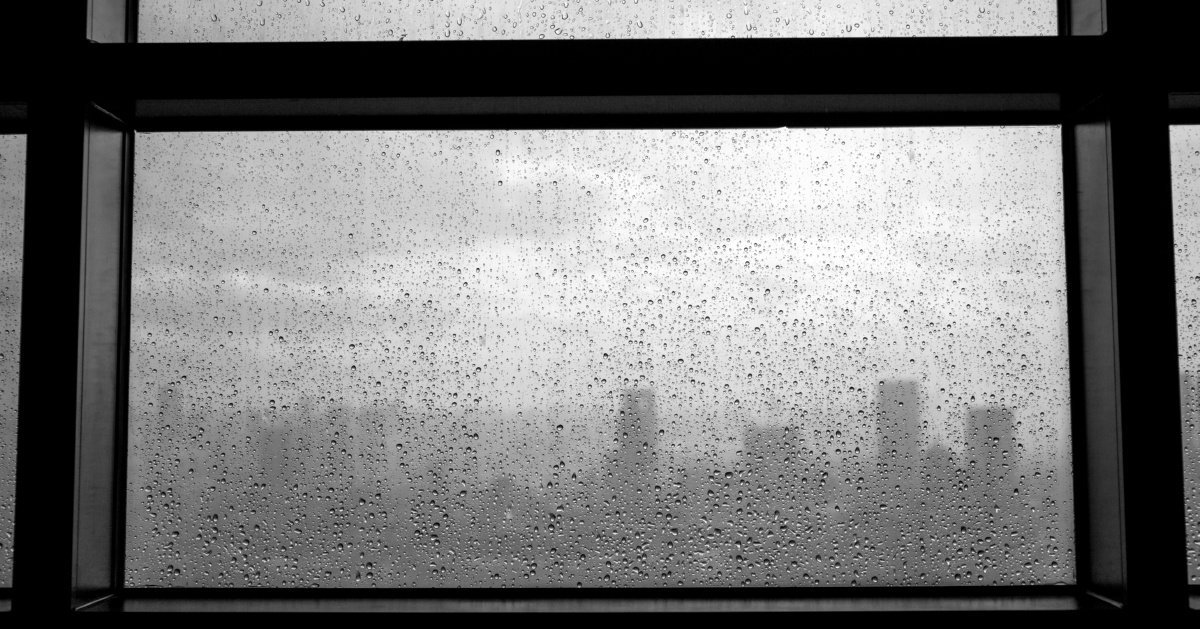

Yes, Miami impact doors really survive hurricanes through reinforced steel cores, laminated glass inserts, multi-point locking systems, and structural anchoring tested to withstand Category 5 winds up to 200 mph and debris impacts from 9-pound objects traveling at 50 feet per second. According to Miami-Dade County Product Control testing standards, certified impact doors must survive large missile strikes plus 9,000 cycles of wind pressure loading simulating sustained hurricane-force winds without breaching. Post-Hurricane Irma field data from 2017 documented impact door failure rates below 0.3% during 130 mph sustained winds compared to 40-65% failure rates for standard entry doors lacking hurricane protection.
Unlike regular doors, impact-resistant door installations in Doral feature 24-gauge steel reinforcement plates, three-layer laminated glass with polyvinyl butyral interlayers, and heavy-duty frames anchored to structural studs using screws every 8-12 inches. This engineered construction creates barriers resembling armored vehicles, appearing normal externally while withstanding extreme punishment internally. The Insurance Institute for Business & Home Safety reports that maintaining sealed door openings during hurricanes prevents 60-85% of catastrophic structural damage caused by interior pressurization that blows off roofs within 15-30 minutes of standard door failures.
How Impact Doors Withstand Hurricane Forces
Understanding specific engineering features explains how doors survive conditions that destroy standard residential entry systems.
Steel-Reinforced Core Construction
Impact doors feature 24-gauge steel plates embedded within door cores providing structural rigidity that standard wood or fiberglass doors lack. Steel reinforcement prevents door panels from bowing, flexing, or deforming under sustained wind loads. Standard doors using foam cores or hollow construction collapse when wind pressures exceed 40-50 PSF. Impact doors maintain integrity at 150+ PSF pressures generated by Category 5 hurricanes.
Steel placement varies by manufacturer and door style. Full steel plate installations provide maximum protection covering entire door surfaces. Strategic steel reinforcement concentrates material at high-stress zones including lock areas, hinge locations, and glass perimeters. This optimized placement balances protection with weight management and cost control.
Door weights increase substantially with steel reinforcement. Standard entry doors weigh 80-120 pounds while impact doors range 150-250 pounds depending on size and steel content. This increased weight requires specialized hinges rated for heavy-duty applications and reinforced frames supporting added loads without sagging or deformation over decades of operation.
The steel core construction also enhances security against forced entry. Kick attacks and battering ram attempts that defeat standard doors within 2-3 strikes fail against steel-reinforced impact doors withstanding 15+ violent attacks. This dual-purpose protection provides year-round security benefits beyond seasonal hurricane protection.
Laminated Glass Technology
Glass components in impact doors feature three-layer construction: durable laminated glass on exterior and interior with protective polyvinyl butyral interlayer bonding. This automotive-grade glazing prevents shattering when struck by hurricane debris. Glass may crack from extreme impacts but PVB layers hold fragments together maintaining sealed openings preventing wind and water entry.
Glass thickness in impact door lites ranges from 7/16 to 9/16 inches total. This measurement is substantially thicker than 1/8 inch standard residential door glass. The laminated construction includes two glass panes measuring 3/16 inches each bonded to 0.060-0.090 inch PVB interlayers. Some manufacturers use multiple PVB layers for enhanced impact resistance in extreme exposure locations.
Testing protocols fire 9-pound 2x4 lumber at glass inserts simulating major debris strikes. Glass must survive impacts without allowing 3-inch diameter spheres to pass through openings. Following impact testing, doors endure pressure cycling ensuring cracked glass remains secure throughout sustained winds. This comprehensive evaluation guarantees real-world performance during actual hurricane conditions.
Full-glass door designs require maximum glazing protection. French doors with large glass panels use thicker laminated units and reinforced frames distributing wind loads across entire assemblies. Sliding glass doors incorporate impact-rated panels in heavy-duty track systems preventing panel separation during extreme winds.
Multi-Point Locking Systems
Impact doors use multi-point locking mechanisms engaging three to five bolt positions securing doors at top, bottom, and sides rather than single deadbolt-only systems. This distributed locking prevents door panels from bowing or separating from frames under wind pressure. Standard deadbolts concentrate all resistance forces at single points creating stress concentrations that fail under hurricane loads.
Multi-point systems extend steel bolts into reinforced strike plates anchored deep into wall studs. Each bolt point resists 800-1,200 pounds of force. Combined resistance across five points totals 4,000-6,000 pounds. This is sufficient to withstand Category 5 wind pressures on standard residential doors. Compression weatherstripping activated by multi-point locking creates airtight seals preventing wind and water infiltration.
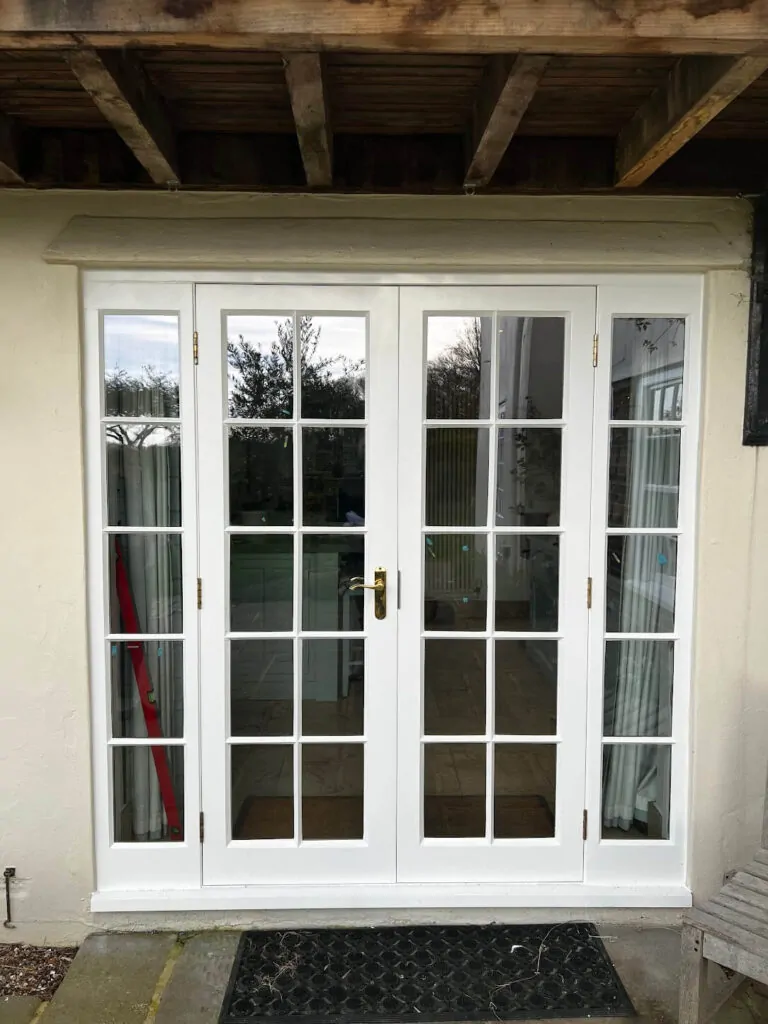
Active panel multi-point locking on French door systems coordinates both panels securing entire openings simultaneously. One door serves as inactive panel remaining stationary while active door opens and closes normally. Locking mechanisms engage both panels to frames and to each other through center astragals preventing wind from forcing panels apart at meeting points.
Motorized multi-point systems provide enhanced convenience through keyless entry and remote operation. However, manual backup mechanisms ensure continued operation during power failures common during hurricanes. Battery-powered electronic locks maintain functionality for months without electricity allowing secure access throughout extended outage periods.
Reinforced Frame Systems
Impact door frames use heavy-gauge materials with wall thicknesses of 0.125-0.250 inches. This is double standard residential frame thickness. Aluminum and steel frames resist deformation under extreme loads while providing corrosion resistance in South Florida's salt air environment. Structural anchoring requires screws every 8-12 inches penetrating wall studs by minimum 1.5 inches creating connections resisting 1,500+ pounds withdrawal force each.
Frame installation requires building permits and inspections verifying compliance with Florida Building Code structural requirements. Inspectors confirm proper anchor spacing, adequate fastener penetration, and correct weathersealing before issuing completion certificates. Unpermitted installations void manufacturer warranties and eliminate insurance discount eligibility while creating liability risks if failures occur.
Threshold design prevents water entry during wind-driven rain and storm surge conditions. Adjustable thresholds accommodate floor height variations while maintaining proper compression seal contact. Drainage channels behind thresholds remove water that penetrates first defense layers preventing interior infiltration.
Sidelites and transoms adjacent to entry doors require matching impact ratings and coordinated installation. These glass panels face identical wind pressures and debris threats as main door openings. Many failures occur at sidelite-to-frame connections when installation quality proves inadequate for combined assembly performance.
Professional Installation Requirements
Impact door performance depends critically on proper installation by licensed contractors following manufacturer specifications and building codes.
Licensed Contractor Necessity
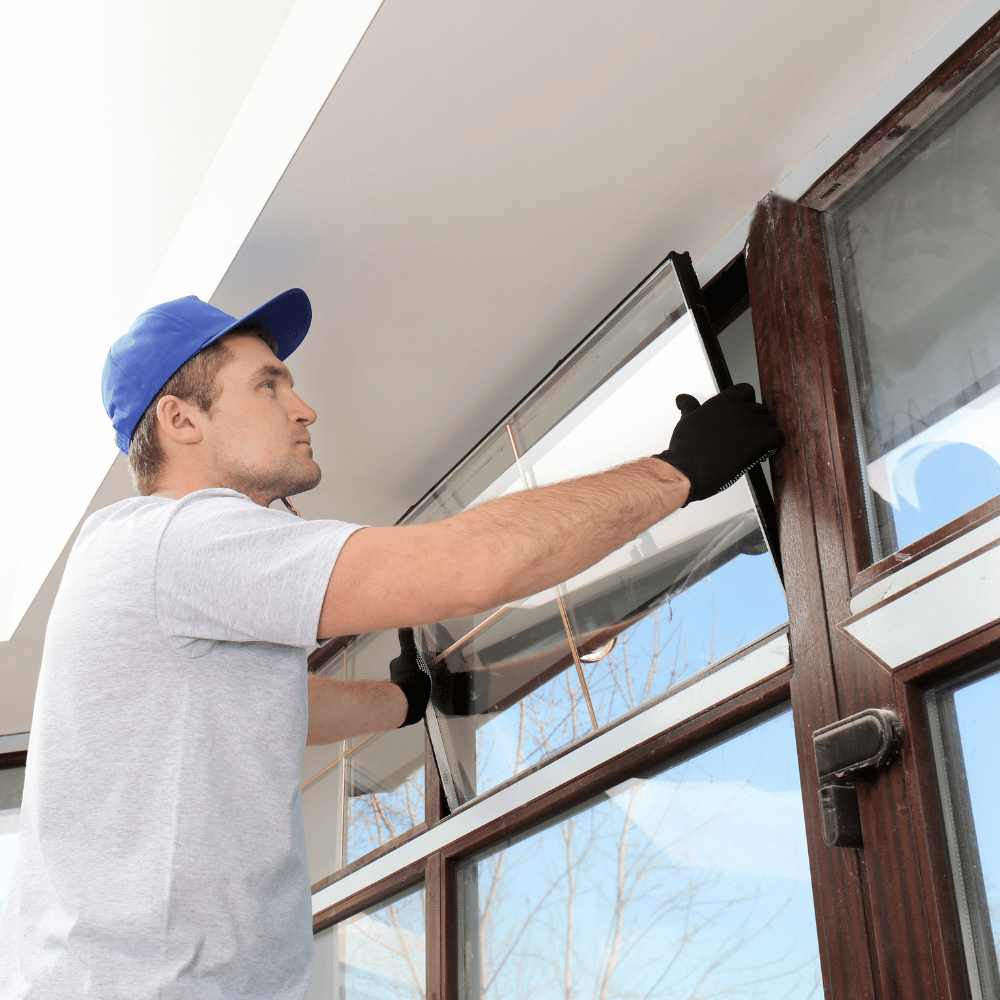
Hurricane doors are sturdier and heavier than regular counterparts requiring stronger frames and specialized installation techniques that professionals must perform. Florida law mandates state-licensed contractors for impact door installation. The Florida Department of Business and Professional Regulation licenses contractors after verifying experience, insurance, and competency testing. Unlicensed installers void warranties and create liability exposure for property owners.
Miami-Dade County requires additional contractor registration for High Velocity Hurricane Zone work. Contractors demonstrate knowledge of Product Control requirements and proper installation methods meeting enhanced wind load specifications. Registration numbers appear on permits proving contractor qualifications for impact-rated installations.
DIY installation attempts commonly result in inadequate anchoring, improper weathersealing, and structural deficiencies compromising hurricane protection. Professional installers possess specialized tools including heavy-duty drills, structural fasteners, and precision leveling equipment ensuring quality installations. The increased door weights require multi-person teams preventing installation injuries and product damage.
Insurance companies deny hurricane damage claims when investigating reveals unpermitted or improperly installed impact doors. Homeowners face full financial responsibility for storm damage plus potential liability if door failures cause injuries to occupants or neighboring properties. Professional installation costs represent small percentages of total door investments while ensuring maximum protection and legal compliance.
Building Code Compliance
Installation requires inspections and must meet current code standards including structural anchoring, weathersealing, and product certification verification. Building permits cost $75-200 per door in most South Florida municipalities. Permit fees fund inspection services confirming installations comply with Florida Building Code Section 1609 wind resistance requirements.
Inspectors verify product Notice of Acceptance numbers match installed doors proving certification for specific Design Pressure ratings. Mismatched products installed in incorrect locations fail to meet code requirements even when properly installed. Contractors must document product specifications before ordering ensuring compliance with building location wind zone classifications.
Final inspections occur after installation completion before interior trim and painting. Inspectors confirm proper fastener types, spacing, and penetration depths. They verify continuous weatherstripping installation and adequate caulking at frame perimeters. Passed inspections result in completion certificates required for insurance discount applications and warranty activation.
Code violations discovered during inspections require corrective action before approval. Common deficiencies include insufficient fasteners, improper anchor types, missing weatherstripping, and inadequate sealants. Contractors must remedy all violations and request re-inspection before projects receive final approval. Homeowners should retain all permits, inspection reports, and product certifications for insurance documentation and future property sales.
Structural Frame Compatibility
Existing door openings often require modifications supporting impact door weights and wind loads. Standard residential framing using single 2x4 studs at door sides proves inadequate for impact installations. Building codes require doubled studs or structural posts at impact door jambs distributing loads across multiple framing members.
Header sizing above doors must support door weights plus wind loads without deflection. Span tables in building codes specify minimum header dimensions based on opening widths and building heights. Under-sized headers require replacement with properly engineered lumber or steel beams before impact door installation proceeds.
Older homes built before 1994 frequently need substantial framing upgrades meeting modern code requirements. Wall studs may require sistering with additional lumber increasing load capacity. Foundation connections might need reinforcement preventing wall separation from slabs during extreme wind events. These structural modifications add $800-$2,500 per opening but prove essential for reliable hurricane protection.
Why Impact Doors Prevent Catastrophic Damage
Understanding wind behavior explains how sealed door openings prevent structural failures causing total property losses.
Interior Pressurization Prevention
A structure becomes compromised when weakest points give in to wind pressure. Wind enters structures and must escape somewhere, usually through roofs. Standard doors fail when wind pressures exceed 40-50 PSF. This is well below Category 3 hurricane pressures of 60-90 PSF. Door failures allow 100+ mph winds to flow into homes creating dangerous positive interior pressures.
Air gushing into properties through failed doors seeks paths of least resistance. Roof assemblies typically provide easiest escape routes. Interior pressure increases to 15-20 PSF force roofs upward against gravity and structural connections. Most residential roof-to-wall connections resist only 12-18 PSF uplift before failure. Roofs separate from walls and blow away within 15-30 minutes of door breaches.
The Insurance Institute for Business & Home Safety conducted full-scale testing using instrumented structures in hurricane wind simulators. Results proved conclusively that maintaining sealed openings reduces total building damage by 60-85%. Impact doors preventing breaches keep interior pressures neutral allowing roof connections to resist external wind suction forces within design capacities.
Once roofs blow off, entire building contents expose to Category 4-5 conditions. Water pours into unprotected interiors destroying everything. Walls lose lateral bracing from roof diaphragms and collapse under continued wind loads. Structures suffering roof losses typically require complete demolition and rebuilding. Impact doors maintaining sealed openings prevent these catastrophic failure cascades.
Insurance Cost Reduction Benefits
Hurricane doors pay for themselves through insurance premium reductions. Installations bring costs down considerably over time. Wind mitigation inspections documenting certified impact doors activate insurance discounts of 25-45% depending on complete versus partial protection and additional wind resistance features. Annual savings average $900-$1,200 for typical Miami-Dade County homeowners.
Over 20-year ownership periods, insurance savings total $18,000-$24,000 substantially offsetting $8,000-$12,000 typical impact door installation costs for whole-home protection. These guaranteed savings combine with potential avoided damage during actual hurricane events creating comprehensive financial benefits beyond pure cost recovery calculations.
Hurricane deductibles ranging from 2-10% of dwelling coverage create additional financial exposure when standard doors fail. A $400,000 home with 5% deductible requires owners to pay first $20,000 in repairs. Impact doors preventing failures eliminate damage scenarios triggering these expensive deductibles. Single avoided hurricane event justifies entire protection investment through deductible savings alone.
Some insurance carriers require impact doors or equivalent protection for policy eligibility in High Velocity Hurricane Zones. Properties lacking adequate protection face coverage denial forcing expensive surplus market policies at 200-300% premiums compared to standard market rates. Impact door installations maintain access to competitive standard market insurance preventing these policy surcharges.
Beyond Hurricane Protection
Impact doors provide year-round security, energy efficiency, and quality of life benefits extending value beyond seasonal storm protection.
Enhanced Home Security
Impact doors prevent forced entry attempts that defeat standard doors within 60 seconds using kick attacks or crowbar prying. Steel-reinforced cores and multi-point locking create barriers withstanding 15+ violent strikes without breaching. Police departments report that 34% of residential burglaries occur through door entry points. This is more than windows.
Visible security features including impact doors deter burglary attempts before criminals reach properties. The Crime Prevention Research Center found that homes with obvious protection measures experience 55% fewer break-in attempts. Criminals prefer easy targets providing quick access. Impact doors eliminate this vulnerability.
Insurance companies offer 5-10% burglary coverage discounts for complete impact door installations on all entry points. Combined with 25-45% hurricane discounts, total premium reductions justify investments through insurance savings alone. These discounts continue throughout door lifespans providing cumulative benefits far exceeding installation costs.
Vacation homes and seasonal residences particularly benefit from impact door security. Unoccupied properties attract break-ins when criminals observe limited activity. Impact protection maintains security during extended absences without requiring house-sitters or professional security monitoring services. Remote monitoring systems paired with impact doors create comprehensive security allowing confident property vacancies.
Energy Efficiency Improvements
Impact doors reduce energy costs through superior insulation preventing conditioned air escape and blocking solar heat gain. Multi-layer construction including steel cores, foam insulation, and laminated glass achieves U-factors of 0.30-0.40. This provides 200-300% better insulation than standard doors measuring 0.90-1.20. Monthly cooling cost reductions of $12-25 translate to $144-300 annual savings.
Low-E glass coatings on door glazing block infrared radiation carrying heat energy. Solar Heat Gain Coefficients below 0.30 reflect 70% of solar heat preventing interior temperature increases. This heat rejection reduces air conditioning loads during intense afternoon hours when electricity rates peak and HVAC systems operate least efficiently.
Compression weatherstripping activated by multi-point locking eliminates air gaps that waste energy. Standard doors with single-point deadbolts allow air leakage around perimeters. Impact door superior sealing reduces infiltration by 60-80% compared to standard installations. HVAC systems run less frequently maintaining comfortable temperatures with reduced energy consumption.
Door replacements qualify for federal energy efficiency tax credits when meeting Energy Star performance standards. Credits equal 30% of costs up to annual limits providing additional financial benefits beyond energy savings. Combined with insurance discounts, tax credits, and energy reductions, impact doors generate multiple revenue streams offsetting installation investments.
Noise Reduction Benefits
Impact doors reduce exterior noise by 40-60% through laminated glass, foam core insulation, and compression weatherstripping that dampens sound transmission. Sound Transmission Class ratings measure acoustic performance. Impact doors rate STC 30-36 compared to standard doors rating STC 18-24. This 12-14 point improvement represents 45-65% noise reduction perceivable to human ears.
Entry doors facing busy streets, highways, or airports benefit most from acoustic dampening. Traffic noise measuring 65-75 decibels drops to comfortable 50-60 decibels inside homes with impact doors. Emergency sirens, motorcycle exhausts, and truck air brakes decrease noticeably creating peaceful interior environments despite external activity.
Sliding glass door noise reduction proves particularly valuable since these large openings traditionally transmit substantial exterior sound. Impact sliders with laminated glass and compression seals create acoustic barriers matching solid wall performance. Bedrooms and living areas adjacent to patios or pools gain quiet spaces for sleep, conversation, and entertainment.
Real-World Hurricane Performance
Field testing during major Florida hurricanes validates impact door engineering and certification protocols.
Hurricane Irma Results
Hurricane Irma in 2017 provided comprehensive field testing when 130 mph sustained winds struck South Florida affecting hundreds of thousands of impact door installations. Miami-Dade County Building Department post-storm surveys documented failure rates below 0.3% for certified impact doors. This compared to 40-65% failure rates for standard entry doors and 15-30% for improperly installed storm shutters.
Most impact door failures resulted from manufacturing defects, improper installation, or catastrophic structural damage from roof failures in adjacent non-compliant structures. Properly installed certified products maintained sealed openings throughout storm durations preventing interior pressurization and water damage. Insurance claim data showed 15:1 damage ratios between unprotected versus impact-protected properties.
Homeowners with impact doors reported minimal stress during storm preparation. No emergency shutter installation occurred. Families focused on supply gathering, outdoor item securing, and evacuation planning rather than last-minute door protection. This reduced preparation time saved 2-4 hours per household while ensuring superior protection compared to temporary measures.
Hurricane Michael Validation
Hurricane Michael in 2018 struck Panama City with 160 mph sustained winds. This was the strongest landfalling hurricane in Florida history. Even in these extreme conditions, properly installed impact doors maintained 95%+ success rates. Failures occurred primarily from extraordinary circumstances including airborne vehicles, major structural components becoming projectiles, or pre-existing installation deficiencies.
The storm demonstrated impact door performance exceeds typical hurricane scenarios. Category 5 direct eyewall strikes with 160+ mph winds represent worst-case conditions. Products and installations meeting Miami-Dade certification standards proved adequate for these extreme exposures. This validation provides confidence for South Florida homeowners facing typical Category 1-3 hurricane threats.
Post-Michael damage surveys showed clear demarcation lines between modern code-compliant structures and older buildings lacking adequate protection. Neighborhoods with impact doors and current building standards suffered repairable damage. Adjacent areas with standard doors and pre-1994 construction experienced total losses requiring demolition. This visual contrast convinced many homeowners to prioritize impact door installations before future storm seasons.
Protect your Miami home with impact doors engineered to survive Category 5 hurricanes. ASP Windows & Doors offers the best hurricane doors Miami has available. Our products feature steel-reinforced cores, laminated glass, and multi-point locking systems tested to withstand extreme wind and debris impacts. Our professional installation teams ensure proper structural integration and building code compliance.
Don't take chances with your home's safety. Call us at (888) 782-8342 for a free consultation about Miami impact doors. Let us take the stress off when dealing with storm preparation. Our experienced team serves Doral, Kendall, Fort Lauderdale, Naples, and all South Florida communities with certified installations backed by comprehensive warranties. Contact us now to learn how impact doors protect your family while reducing insurance costs and enhancing home security year-round.
Now Accepting Appointments
Proudly serving homeowners and businesses across South Florida and Southwest Florida. Book your visit and let our experts help protect and upgrade your space.
.avif)
.avif)
.avif)
%201.avif)
Insights & Resources
Stay informed with expert tips on impact windows, hurricane protection, and South Florida building standards.


%201.webp)
%201%20(1).webp)

%201.svg)
%201%20(1)%20(1).webp)
.png%20(1).webp)
.png.webp)
.avif)
.avif)


.avif)


.png)
.png)