.avif)


Can a Hurricane Blow Out a Traditional Window?
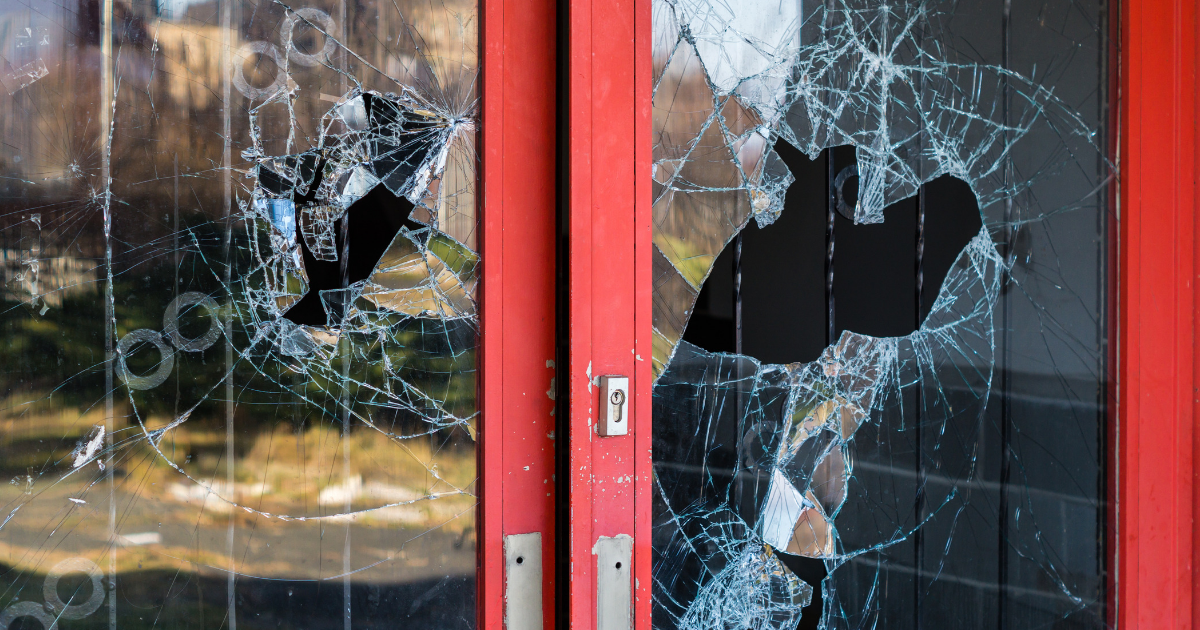

Yes, a hurricane can blow out a traditional window through wind pressure exceeding 30-50 PSF or debris impacts at speeds of 80-150 mph that standard glass cannot withstand. According to post-Hurricane Katrina research conducted by the Insurance Institute for Business & Home Safety, the vast majority of structural damage occurred after winds breached exterior openings at windows and doors, causing interior pressurization that blew off roofs and collapsed walls. Category 1 hurricanes generate sustained winds of 74-95 mph creating wind pressures of 40-58 PSF—exceeding standard window failure thresholds by 20-40%.
Traditional single-pane and basic dual-pane windows shatter at wind speeds of 77-110 mph according to structural engineering studies from Texas Tech Wind Science & Engineering Center. Flying debris including tree branches, roof tiles, patio furniture, and construction materials become missiles in hurricane winds, striking windows at velocities that instantly puncture standard glass. Hurricane impact windows in Doral installations withstand Category 5 conditions through laminated glass construction and reinforced frames tested to survive 200 mph winds and multiple debris impacts without breaching.
What Windows Can Withstand a Hurricane?
Impact-resistant windows with laminated glass, reinforced frames, and Miami-Dade County Notice of Acceptance certification can withstand hurricanes up to Category 5 with wind speeds of 200 mph. Testing standards require impact windows to survive strikes from 9-pound 2x4 lumber traveling at 50 feet per second (34 mph) plus 9,000 cycles of wind pressure loading simulating hours of sustained hurricane-force winds. Standard windows fail these tests within seconds while certified impact windows maintain sealed openings throughout entire test protocols preventing wind and water entry.
Impact Window Construction
Impact windows use two layers of tempered laminated glass bonded to polyvinyl butyral interlayers creating flexible assemblies that absorb impact energy without shattering. The glass layers measure 3/16 to 1/4 inches each with PVB interlayers of 0.060-0.090 inches thickness. This multi-layer construction totals 7/16 to 9/16 inches compared to 1/8 inch standard single-pane windows.
When struck by debris, impact glass cracks but PVB layers hold fragments together preventing breaches. The flexible interlayer absorbs impact energy through controlled deformation rather than rigid resistance causing shattering. This engineered flexibility allows windows to move with hurricane forces rather than against them—the same principle engineers use in earthquake-resistant building design.
Reinforced frames use heavy-gauge aluminum or vinyl with wall thicknesses of 0.125-0.250 inches—double standard residential window frame thickness. Structural anchoring uses screws spaced 8-12 inches apart penetrating wall studs by minimum 1.5 inches. These connections resist withdrawal forces exceeding 1,500 pounds each preventing frames from pulling free during sustained wind events.
Testing and Certification Standards
Miami-Dade County Product Control Division conducts the most rigorous impact window testing in the United States through large missile impacts, small missile impacts, and cyclic pressure loading. The large missile test fires 9-pound 2x4 boards at windows from pneumatic cannons simulating debris in 200 mph winds. Windows must survive multiple impacts at different locations without glass breaching frames.
Small missile testing shoots 10 steel ball bearings weighing 2 grams each at windows traveling 50 mph. These projectiles simulate gravel, roof tiles, and small debris driven by hurricane winds. Windows must prevent all projectiles from penetrating interior spaces while maintaining structural integrity.
Cyclic pressure testing applies positive and negative pressures 9,000 times replicating hours of hurricane winds buffeting windows. Pressures reach design levels specified for building locations and heights. Windows cannot show frame deformation, seal failures, or glass movement after testing completes. Only products passing all three test protocols receive Notice of Acceptance approval required for High Velocity Hurricane Zone installations.
Design Pressure Ratings
Design Pressure ratings indicate maximum wind loads windows withstand measured in pounds per square foot. DP-30 windows resist approximately 140 mph winds suitable for inland Florida locations. DP-40 windows withstand 160 mph winds meeting standard Florida Building Code requirements. DP-50 windows resist 180 mph winds required in Miami-Dade County High Velocity Hurricane Zones.
Coastal properties within one mile of saltwater require DP-50 minimum ratings. Buildings above two stories face higher wind pressures requiring DP-60 or DP-70 ratings. High-rise structures above 60 feet need custom engineering determining specific pressure requirements based on building height, location, and exposure.
Wind pressures increase exponentially with speed. A 100 mph wind creates four times more pressure than 50 mph wind. This exponential relationship explains why windows rated for 140 mph fail catastrophically at 160 mph—the 20 mph speed increase creates 60% more pressure exceeding structural capacity.
What to Do If a Window Blows Out During a Hurricane?
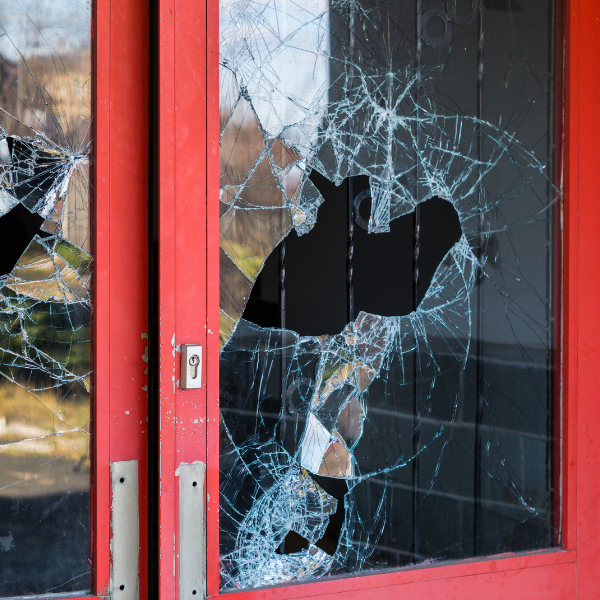
If a window blows out during a hurricane, immediately move to interior rooms away from exterior walls, close interior doors creating barriers against wind and debris, and avoid the breached area until storm conditions subside. Broken windows allow hurricane-force winds to enter homes creating positive interior pressure that can blow off roofs within 15-30 minutes. The Insurance Institute for Business & Home Safety reports that maintaining sealed openings reduces total hurricane damage by 60-85% compared to homes suffering window breaches.
Immediate Safety Actions
Move family members to designated safe rooms located in interior bathrooms, closets, or hallways without windows. These interior spaces provide protection from flying glass, wind-driven debris, and structural failures. Bring emergency supplies including water, flashlights, first aid kits, phones, and battery-powered radios. Close all interior doors between safe rooms and breached windows slowing wind penetration and pressure buildup.
Never attempt repairs during peak storm conditions when winds exceed 40 mph. Flying debris, unstable structures, and dangerous wind gusts create deadly outdoor conditions. Wait for official all-clear announcements from emergency management before venturing outside or approaching damaged areas. Many hurricane injuries occur during temporary lulls or eye passages when winds temporarily calm before resuming from opposite directions.
Avoid standing near remaining intact windows during continued storm conditions. Additional windows may fail under sustained wind loads or debris impacts. Interior walls away from exterior openings provide safest shelter locations. Protect heads and bodies from potential flying glass using mattresses, cushions, or heavy blankets if remaining in rooms with windows.
Preventing Additional Damage
Cover broken openings with mattresses, heavy furniture, or stored plywood if wind speeds allow safe movement near breached windows. Partial coverage reduces wind entry by 40-60% compared to completely open breaches. Position heavy furniture against window openings from interior sides. Use rope, bungee cords, or weights securing temporary coverings preventing wind from dislodging protective materials.
Close interior doors throughout homes creating compartmentalized spaces that slow pressure equalization. Closed doors reduce wind flow between rooms by 70-80% buying critical time before dangerous pressure levels develop. This compartmentalization also limits water damage from rain entering through breached openings.
Turn off electricity to rooms with broken windows preventing short circuits when water contacts outlets or wiring. Electrocution risks increase dramatically when standing water combines with energized electrical systems. Circuit breakers controlling affected areas should remain off until professional inspections verify safety after storms pass.
Post-Storm Actions
Document all damage with photos and videos immediately after storm conditions subside for insurance claims processing. Photograph breached windows from multiple angles showing interior and exterior damage. Record water damage to floors, walls, furniture, and belongings. Video walkthroughs capture overall conditions often missed in still photography.
Contact insurance companies within 24-48 hours reporting damage and initiating claims. High claim volumes after major hurricanes delay adjuster visits 7-21 days. Beginning claims processes immediately secures positions in adjustment queues. Provide detailed damage lists including estimated replacement values for destroyed items.
Install temporary tarps over breached openings preventing additional water intrusion until permanent repairs complete. Use heavy-duty tarps secured to wall studs with furring strips and screws every 6 inches. Proper tarping prevents thousands in additional water damage during subsequent rain events common after hurricane passages.
Why Traditional Windows Fail During Hurricanes
Understanding specific failure mechanisms helps homeowners appreciate impact window value and traditional window vulnerabilities.
Wind Pressure Differential
Hurricane winds create positive pressure on windward walls while generating negative pressure on leeward sides, creating pressure differentials of 40-80 PSF that pull windows outward from frames. Standard residential windows design for 15-30 PSF pressure loads adequate for normal weather conditions. Hurricane pressures exceed these design limits by 200-400% causing catastrophic failures.
Category 3 hurricanes with 111-129 mph sustained winds generate 60-90 PSF pressures. Standard windows begin failing at 30-35 PSF, experiencing total failure at 45-55 PSF. This means Category 1 hurricanes with minimal 74 mph winds already exceed standard window pressure ratings potentially causing failures before storms reach full intensity.
Older homes built before 1994 often contain original single-pane windows designed for 10-20 PSF maximum loads. These antiquated installations fail in tropical storm conditions below hurricane thresholds. Homes constructed between 1994-2002 may have basic dual-pane windows rated 20-30 PSF—adequate for normal conditions but vulnerable to hurricanes.
Debris Impact Vulnerabilities
The real danger in hurricanes comes from debris including tree branches, roof tiles, patio furniture, construction materials, and vehicles becoming missiles at 80-150 mph speeds. Even Category 1 storms with 74-95 mph sustained winds uproot trees, detach roof materials, and convert outdoor objects into dangerous projectiles. A standard patio chair weighing 8 pounds generates 320 foot-pounds of impact force at 100 mph—sufficient to puncture standard windows instantly.
Post-hurricane damage surveys consistently show that 60-70% of window failures result from debris impacts rather than pure wind pressure. Texas Tech Wind Science research documents that 2x4 lumber, roof tiles, and tree branches represent most common window-breaching projectiles. Standard windows shatter immediately upon impact from these objects traveling at hurricane wind speeds.
Tempered glass used in sliding doors and some windows proves slightly stronger than standard annealed glass but still shatters completely under debris impacts. The tempered treatment creates controlled fragmentation into small pieces reducing injury severity but providing zero continued protection after breaking. Wind and rain enter freely through shattered tempered glass openings.
Common Protection Misconceptions
Leaning against windows to provide counter-pressure does not prevent hurricane failure and creates extreme injury risks when windows blow inward. This dangerous myth persists despite zero scientific support. Human body weight provides minimal resistance compared to thousands of pounds of force from hurricane winds. When windows fail, people positioned against glass suffer severe lacerations from large shards.
Taping windows does not prevent breakage or reduce flying glass dangers during hurricanes. The Federal Alliance for Safe Homes tested this myth extensively, concluding that tape provides zero protective value. Tape does not strengthen glass or prevent shattering. When glass breaks, tape creates larger connected shards that cause more severe injuries than untaped glass fragmenting into smaller pieces.
Opening windows to equalize pressure increases danger rather than protecting homes. This outdated advice from pre-1970s building science proves false based on modern wind engineering research. Opening windows on leeward sides allows hurricane winds to flow through homes, increasing interior pressures and accelerating roof failures. Current building codes require maintaining all openings closed during storms.
Traditional Window Upgrade Options
Homeowners with traditional windows face choices between impact window replacement, storm shutter installation, or accepting hurricane risks.
Complete Impact Window Replacement
Replacing all traditional windows with certified impact-resistant installations provides permanent protection eliminating pre-storm preparation and ensuring Category 5 wind resistance. Costs average $40-65 per square foot installed or $15,000-$25,000 for typical South Florida homes. Impact-resistant door installations in Doral should accompany window upgrades completing opening protection.
Impact windows provide advantages beyond hurricane protection including 25-45% insurance discounts, $250-400 annual energy savings, 40-60% noise reduction, and enhanced security preventing forced entry. The National Association of Realtors reports 75-85% cost recovery at resale with properties selling 15-25% faster than homes requiring window upgrades.
Investment recovery occurs within 10-15 years through insurance and energy savings alone. Additional benefits including eliminated storm preparation, UV protection, and increased property values justify installations for long-term homeowners. PACE financing programs offer zero-down 100% financing making impact windows accessible without large upfront investments.
Hurricane Shutter Alternatives
Storm shutters provide adequate hurricane protection at lower initial costs of $15-25 per square foot or $5,000-$8,000 for whole-home coverage. Accordion shutters, roll-down systems, and panel options suit different budgets and aesthetic preferences. However, shutters require 2-6 hours pre-storm installation labor, $200-500 annual maintenance, and provide zero year-round energy or security benefits.
The 20-year total cost of ownership for shutters including maintenance, lost energy savings, and reduced insurance discounts often exceeds impact window costs when evaluating comprehensive financial impacts. Shutters also create dark, claustrophobic interiors during multi-day storm events and require dedicated storage space for panel systems.
Partial Protection Strategies
Budget-constrained homeowners sometimes protect only most vulnerable openings including large picture windows, sliding glass doors, and windward-facing windows. This partial approach reduces costs while addressing highest-risk breach points. However, insurance discounts require complete protection on all openings—partial installations receive proportionally reduced premium reductions.
Phased implementations spreading costs over multiple years allow gradual transition from traditional windows to impact protection. Some homeowners complete one elevation annually, achieving full protection over 3-4 years while spreading expenses. Financing individual phases proves easier than funding complete projects simultaneously.
The Cost of Window Failure
Understanding potential hurricane damage costs from traditional window failures helps homeowners evaluate protection investments.
Interior Damage from Breached Windows
The Insurance Information Institute reports that homes with failed windows average $28,000-$42,000 in interior hurricane damage from water intrusion and wind damage. Furniture, electronics, flooring, drywall, insulation, and belongings near windows suffer total loss when hurricane-force winds and rain enter homes. Water damage restoration requires drywall replacement, flooring repairs, and mold remediation costing $8,000-$25,000 beyond initial losses.
Homeowner insurance policies include hurricane deductibles ranging from 2-10% of dwelling coverage amounts. A $400,000 home with 5% hurricane deductible requires owners to pay first $20,000 in repairs before insurance coverage begins. Window failure damage often triggers these expensive deductibles creating substantial out-of-pocket costs.
Mold growth begins within 24-48 hours of water exposure requiring immediate professional remediation. Delays allowing mold establishment increase remediation costs from $2,000-$8,000 to $10,000-$40,000 for extensive contamination. Some insurance policies exclude mold damage requiring separate coverage or leaving homeowners financially responsible for complete remediation.
Roof and Structural Failures
Window breaches allowing interior pressurization cause roof failures within 15-30 minutes through uplift forces exceeding structural design limits. Roof replacement costs $15,000-$45,000 depending on size and materials. Total losses from roof failures plus interior damage reach $60,000-$120,000 for typical homes—far exceeding impact window installation costs preventing these catastrophic failures.
Structural engineers calculate that maintaining sealed openings reduces hurricane damage probability by 85% compared to homes suffering window or door breaches. This damage prevention represents the true value of impact protection beyond initial installation costs. Single hurricane events justify entire protection investments through avoided damage alone.
Protect your home from catastrophic window failure during hurricanes. ASP Windows & Doors specializes in Miami-Dade County approved impact window installations preventing traditional window vulnerabilities that cause devastating hurricane damage. Our certified systems withstand Category 5 conditions through laminated glass construction and reinforced frames tested to survive 200 mph winds and multiple debris impacts.
Contact us today at (888) 782-8342 for a free home assessment identifying vulnerable traditional windows requiring impact protection. Our experienced team serves Doral, Kendall, Fort Lauderdale, Naples, and all South Florida communities with professional installations backed by lifetime warranties. Don't risk your family's safety and home investment on traditional windows—schedule your consultation now for permanent hurricane protection eliminating window failure risks.
Now Accepting Appointments
Proudly serving homeowners and businesses across South Florida and Southwest Florida. Book your visit and let our experts help protect and upgrade your space.
.avif)
.avif)
.avif)
%201.avif)
Insights & Resources
Stay informed with expert tips on impact windows, hurricane protection, and South Florida building standards.


%201.webp)
%201%20(1).webp)

%201.svg)
%201%20(1)%20(1).webp)
.png%20(1).webp)
.png.webp)
.avif)
.avif)


.avif)


.png)
.png)