.avif)


What Are the Benefits of Natural Light?
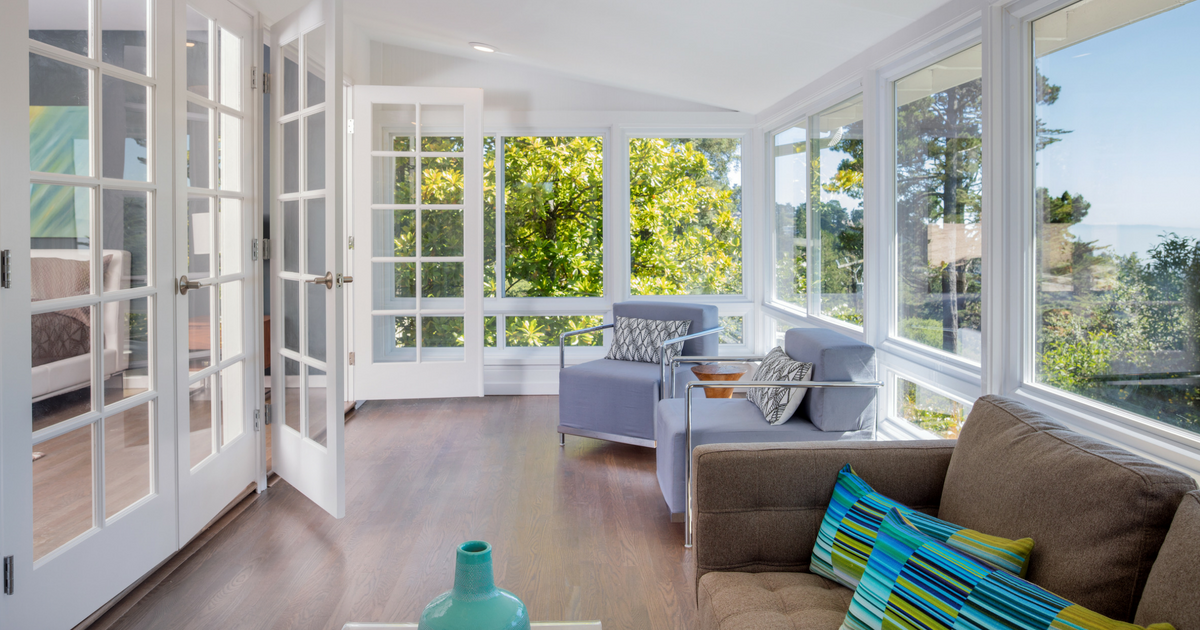

Vitamin D production, improved mood and reduced depression, better sleep quality, increased productivity, stronger immune function, regulated circadian rhythm, and enhanced cognitive performance are the benefits of natural light. According to Harvard Medical School research, 10-30 minutes of daily sunlight exposure generates 10,000-25,000 IU of vitamin D while boosting serotonin levels that regulate mood and sleep patterns. The American Journal of Public Health reports that workers with natural light exposure experience 51% less eyestrain, 63% fewer headaches, and 56% less drowsiness compared to artificial lighting environments.
Natural light proves essential for human wellbeing beyond simple illumination. The sun strengthens bones through vitamin D synthesis, improves sleep through circadian rhythm regulation, and boosts mental health through increased serotonin production. Scientists have documented health benefits of sunlight exposure for decades, though cancer concerns caused many to avoid sun completely, missing necessary benefits. Hurricane impact windows in Doral installations maximize natural light while blocking 99% of harmful UV radiation, providing health benefits without skin damage risks.
How Natural Light Improves Health
Understanding specific physiological benefits helps homeowners appreciate natural light importance and make design decisions maximizing sunlight exposure.
Vitamin D Production and Bone Health
Natural light exposure produces vitamin D when UVB rays contact skin, generating recommended 1,000-4,000 IU daily for optimal bone health and disease prevention. The body manufactures this vital nutrient through chemical reactions triggered by ultraviolet radiation. Vitamin D enables bones to properly absorb calcium and phosphorus, preventing osteoporosis, fractures, and skeletal deformities.
The National Institutes of Health reports that 42% of Americans show vitamin D deficiency, primarily due to insufficient sun exposure. Symptoms include bone pain, muscle weakness, frequent infections, and fatigue. Adequate vitamin D levels reduce risks of developing certain cancers including colon, breast, and prostate cancers according to multiple epidemiological studies.
South Florida's year-round sunshine provides optimal conditions for vitamin D synthesis. Living in Florida allows consistent sun exposure impossible in northern states experiencing months of winter darkness. However, window glass blocks 97-99% of UVB radiation necessary for vitamin D production. Outdoor time on patios, balconies, or yards becomes essential for capturing health benefits.
Impact windows with Low-E coatings maintain natural light transmission while blocking harmful UV radiation. This combination allows bright, sunny interiors without furniture fading or skin damage while encouraging outdoor time for vitamin D synthesis. The visible light spectrum passing through windows provides mood and circadian benefits even without UVB penetration.
Depression Treatment and Mood Enhancement
Natural light plays significant roles in regulating mood and treating depression through serotonin production and circadian rhythm regulation. Unlike vitamin D requiring direct skin exposure, mood benefits occur through indirect light streaming through windows. The retina contains specialized cells detecting light levels that signal brain chemistry adjustments affecting emotional states.
Light therapy mimics natural sunlight treating Seasonal Affective Disorder and other depression forms. Clinical studies show that 10,000 lux light exposure for 30 minutes daily reduces depression symptoms by 50-60% in affected individuals. This treatment proves especially effective for S.A.D., occurring during darker winter months when sunlight becomes scarce.
The Journal of Affective Disorders published research showing that hospitalized depression patients in sunny rooms recovered 2.6 days faster than those in dimly lit spaces. Natural light exposure correlates with reduced antidepressant medication requirements and improved treatment outcomes across multiple mental health conditions.
Serotonin levels increase with bright light exposure, improving mood, promoting calmness, and enhancing focus. This neurotransmitter regulates happiness, anxiety levels, and emotional stability. Low serotonin links to depression, anxiety disorders, and sleep disturbances. Maximizing natural light in homes provides free, continuous mood enhancement without pharmaceutical interventions.
Sleep Quality and Circadian Rhythm
Natural light exposure synchronizes circadian rhythms, improving sleep duration and quality while regulating hormone production throughout 24-hour cycles. The Journal of Clinical Sleep Medicine published studies showing that workers with window access slept 46 minutes longer nightly than those in windowless environments. Natural light exposure also improved sleep quality scores by 30-40%.
Circadian rhythm disruption causes insomnia, daytime fatigue, mood disorders, and increased disease risks. Blue light wavelengths in morning sunlight suppress melatonin production, promoting alertness and energy. Evening darkness triggers melatonin release preparing bodies for sleep. This natural cycle requires proper light exposure timing throughout days.
Bright morning light exposure proves most beneficial for circadian regulation. Northwestern University research found that workers receiving morning sunlight fell asleep faster, experienced fewer sleep disruptions, and reported better overall sleep quality. Morning light exposure also correlates with improved afternoon alertness and productivity.
Impact windows maintain natural light cycles while blocking heat and UV radiation. Impact-resistant door installations in Doral with glass panels maximize sunlight penetration creating bright interiors supporting healthy circadian rhythms. Large sliding glass doors connecting indoor and outdoor spaces provide maximum natural light exposure.
Productivity and Cognitive Performance
Natural light exposure increases productivity by 15-40% through improved alertness, reduced eyestrain, and enhanced cognitive function. The American Society of Interior Designers reports that 68% of employees complain about office lighting, with natural light consistently ranking as most desired workplace feature.
A study published in the Journal of Clinical Sleep Medicine found that workers in daylit offices experienced 51% less eyestrain, 63% fewer headaches, and 56% less drowsiness. These improvements translated to measurable productivity gains and reduced absenteeism. Companies relocating to naturally lit spaces reported 10-25% productivity increases within first year.
Academic performance improves with natural classroom lighting. Research analyzing 21,000 students found that those in classrooms with maximum daylight progressed 20% faster in math and 26% faster in reading compared to students in artificially lit spaces. Natural light enhances concentration, reduces hyperactivity, and improves test scores across all age groups.
Home offices benefit equally from natural light exposure. Remote workers positioned near windows report higher job satisfaction, better work-life balance, and improved focus during work hours. Natural light reduces computer eye strain affecting millions of screen-dependent workers daily.
Optimal Natural Light Exposure
Understanding proper sunlight exposure amounts and timing maximizes health benefits while minimizing skin damage risks.
Recommended Daily Exposure
A minimum of 10-30 minutes daily sun exposure provides general wellbeing benefits, with ideal amounts varying by skin pigmentation, age, and geographic location. Health councils recommend forgoing sunscreen during brief exposure periods when UV Index measures below 3, typically occurring before 10 AM and after 4 PM.
Afternoon hours between 10 AM and 3 PM provide strongest ultraviolet rays actually penetrating atmosphere for vitamin D synthesis. However, this timing also carries highest skin damage risks. Balancing health benefits against cancer concerns requires understanding individual risk factors and exposure management.
The UV Index forecasting tool available through NOAA and weather apps helps determine safe exposure durations. Index readings below 3 allow 30+ minutes unprotected exposure. Readings of 3-5 suggest 20-30 minutes maximum. Higher readings require sunscreen application or protective clothing after 10-15 minutes.
South Florida's subtropical location provides year-round vitamin D synthesis opportunities impossible in northern states. Winter months in states above 37° latitude receive insufficient UVB radiation for vitamin D production regardless of exposure duration. Florida residents enjoy consistent sunshine enabling daily outdoor time maintaining optimal vitamin D levels naturally.
Skin Pigmentation Factors
Darker skin requires 3-6 times longer sun exposure than fair skin achieving equivalent vitamin D levels due to melanin blocking UVB absorption. Light skin needs approximately 10 minutes for adequate vitamin D synthesis. Medium tan skin requires 15-20 minutes. Dark skin needs 30-60 minutes producing same vitamin D quantities.
Melanin provides natural sun protection measured through Fitzpatrick skin type classifications. Type I (very fair) burns easily, never tans. Type VI (very dark) never burns, tans very dark. Each type requires adjusted exposure durations balancing vitamin D needs against sunburn risks.
Geographic ancestry affects vitamin D production efficiency. Populations evolved in equatorial regions developed higher melanin protecting against intense year-round sun. Northern populations evolved with less melanin maximizing limited seasonal sunlight absorption. Understanding ancestral origins helps determine personal exposure requirements.
Vitamin D supplementation provides alternatives for individuals unable to achieve adequate sun exposure. However, supplements lack additional benefits of natural sunlight including mood enhancement, circadian regulation, and nitric oxide production improving cardiovascular health. Combining modest sun exposure with supplementation creates optimal approach.
Age-Related Considerations
Age significantly affects sun exposure needs and cancer risks, with sunburns before age 20 proving most dangerous while vitamin D production efficiency decreasing after age 60. Harvard Medical School research found that childhood sun damage creates highest skin cancer risks decades later. Young people should strictly limit unprotected exposure preventing accumulating damage.
Skin becomes less efficient producing vitamin D as we age. A 70-year-old generates only 25-30% of vitamin D that a 20-year-old produces from identical sun exposure. Older adults need longer outdoor time or higher-dose supplements maintaining adequate vitamin D levels preventing bone loss and fractures.
The American Academy of Dermatology recommends sun protection for children including shade, protective clothing, and SPF 30+ sunscreen. Brief incidental exposure during outdoor play provides sufficient vitamin D without deliberate sunbathing. Children's developing skin proves especially vulnerable to UV damage causing future cancers.
Elderly individuals benefit from increased sun exposure supporting bone health, fall prevention through improved muscle strength, and reduced depression risks. However, thinning aging skin burns more easily requiring careful exposure management. Morning or late afternoon outdoor time provides benefits with reduced burning risks.
Maximizing Natural Light in South Florida Homes
Strategic design choices and window selections maximize natural light benefits while managing heat gain and UV exposure.
Window Placement and Sizing
South-facing windows receive most consistent year-round sunlight in Northern Hemisphere locations, providing maximum natural light with manageable solar heat gain through proper shading. East-facing windows capture morning light supporting circadian rhythm regulation. West-facing windows create afternoon heat gain challenges in South Florida requiring careful consideration.
Large window openings maximize daylight penetration deep into interior spaces. The Department of Energy recommends window area equaling 8-12% of floor space for optimal daylighting without excessive heat gain. South Florida's intense sunshine allows achieving bright interiors with smaller window percentages than northern climates require.
Clerestory windows placed high on walls bring natural light into interior rooms lacking exterior wall access. Skylights provide top-down illumination creating bright spaces without wall space dedicated to windows. However, skylights in South Florida require careful selection managing heat gain that significantly increases cooling costs.
Impact windows maintain natural light while blocking 99% of UV radiation preventing furniture fading and skin damage. Low-E coatings reflect infrared radiation reducing heat gain by 30-50% compared to standard glass. This combination allows large window areas providing abundant natural light without excessive cooling costs.
Glass Selection and Treatments
Low-E coated impact glass blocks harmful UV radiation while allowing 70-80% visible light transmission, creating bright interiors without furniture damage or skin cancer risks. Visible Light Transmittance ratings indicate percentage of visible spectrum passing through glass. Standard clear glass transmits 88-90% of visible light. Low-E glass transmits 70-80% depending on coating type.
Solar Heat Gain Coefficient ratings below 0.25 prove essential for South Florida applications. These ratings indicate glass blocks 75% of solar heat preventing excessive cooling costs. Standard glass with SHGC of 0.70 allows 70% heat penetration creating uncomfortable interiors and high energy bills.
Tinted glass reduces glare and heat gain but also reduces natural light transmission. Bronze, gray, or green tints transmit only 40-60% of visible light, creating darker interiors defeating natural lighting benefits. Low-E coatings provide superior heat management without sacrificing natural light levels.
Interior window treatments allow flexible light control. Sheer curtains diffuse direct sunlight preventing glare while maintaining bright spaces. Light-colored blinds reflect heat and light when closed but allow complete exposure when open. Motorized shades programmed to seasonal sun angles optimize comfort throughout days.
Connecting Indoor and Outdoor Spaces
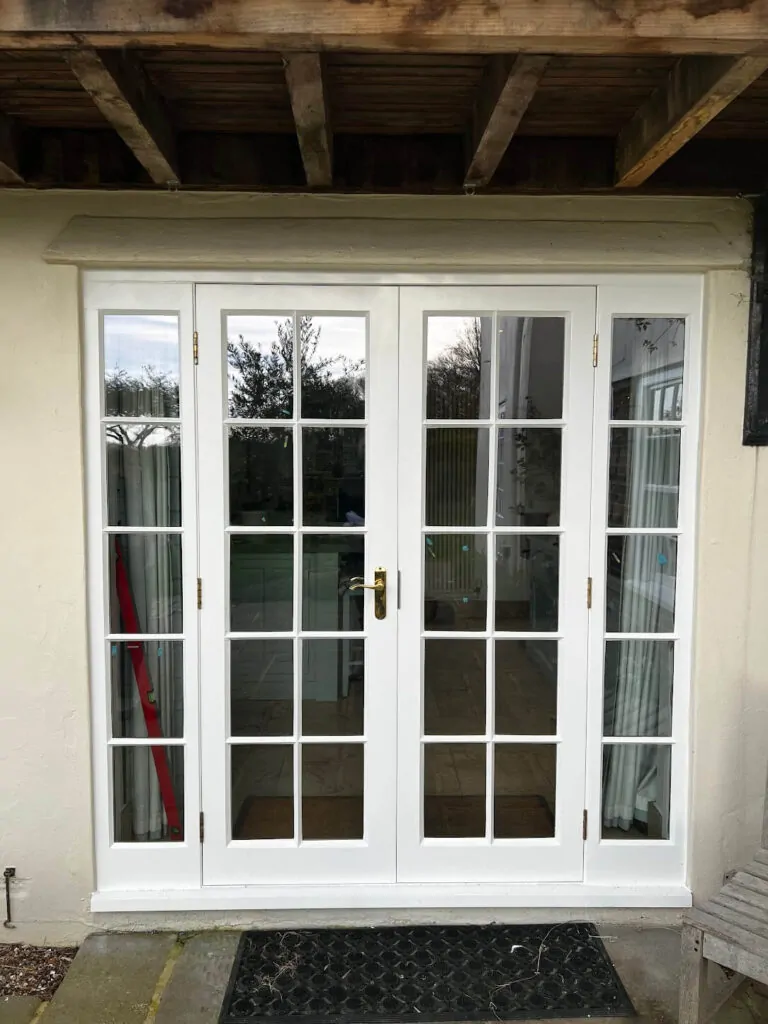
Large sliding glass doors and French door systems create seamless indoor-outdoor transitions maximizing natural light exposure and encouraging outdoor time for direct sun benefits. Floor-to-ceiling glass walls provide expansive views and abundant natural light while hurricane-rated impact protection maintains safety and energy efficiency.
Covered patios and screened enclosures extend living spaces outdoors, providing shaded areas for sun exposure without direct UV intensity. These transitional spaces allow enjoying natural light and fresh air while managing heat and rain exposure typical in South Florida climate.
Pool areas, gardens, and outdoor living rooms encourage time outside capturing direct sunlight benefits impossible through windows. Strategic landscaping with native shade trees provides filtered sunlight creating comfortable outdoor environments during intense afternoon heat.
Balcony enclosures in condominiums maximize natural light in limited square footage. Impact-rated glass enclosures protect from weather while creating bright, sunny spaces functioning as sunrooms or extended living areas. These enclosed balconies provide direct sun access year-round regardless of weather conditions.
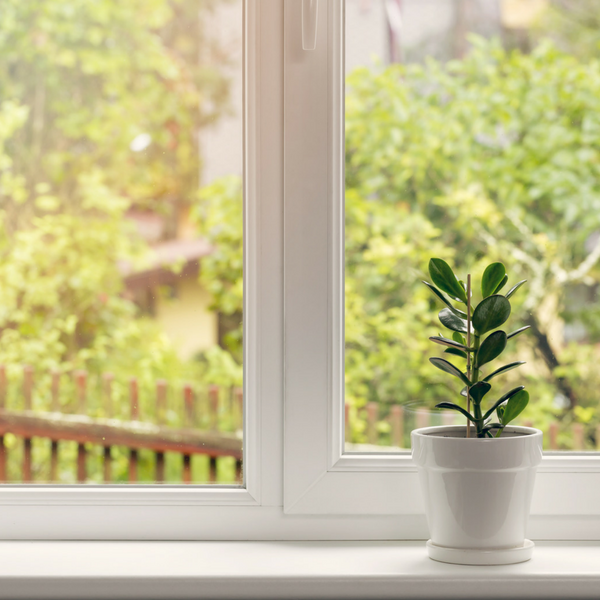
South Florida Natural Light Advantages
Geographic location provides unique opportunities for natural light benefits through consistent year-round sunshine.
Year-Round Vitamin D Synthesis
South Florida's subtropical latitude enables vitamin D production 12 months annually. Northern states above 37° latitude experience "vitamin D winter" from November through February when sun angle proves too low for adequate UVB penetration. This seasonal limitation causes widespread deficiency in northern populations.
Average annual sunshine hours in Miami reach 3,154 hours compared to 2,535 in New York and 2,066 in Seattle. This consistent sunshine provides reliable natural light benefits supporting physical and mental health throughout years. Seasonal Affective Disorder proves rare in South Florida due to stable sunlight exposure.
Architectural Design Opportunities
Consistent sunshine enables architectural designs maximizing glass areas without seasonal darkness concerns. Northern climates balance daylighting against cold climate heat loss. South Florida's warm temperatures allow prioritizing natural light through expansive windows without winter heating penalties.
Indoor-outdoor living characteristic of South Florida architecture provides maximum natural light exposure. Open floor plans, large sliding doors, and exterior living spaces encourage time outside capturing direct sunlight benefits. This lifestyle integration proves difficult in climates with harsh winters limiting outdoor use.
Aesthetic and Lifestyle Benefits
Natural light enhances interior aesthetics making spaces feel larger, more inviting, and connected to outdoors. Real estate professionals report that natural light ranks as top buyer priority, with well-lit homes commanding premium prices and selling faster than dimly lit properties.
The psychological benefits of sunny interiors improve daily quality of life. Bright spaces promote positive moods, creativity, and social interaction. South Florida lifestyle emphasizes outdoor recreation, beach access, and tropical living—all enhanced through natural light integration in home design.
Transform your South Florida home into a sunny sanctuary maximizing natural light benefits. ASP Windows & Doors specializes in impact window and door installations that flood interiors with natural light while blocking 99% of harmful UV radiation. Our Low-E coated glass provides bright, healthy living spaces without furniture fading or excessive heat gain.
Contact us today at (888) 782-8342 for a free consultation on maximizing natural light in your home. Our experienced team serves Doral, Kendall, Fort Lauderdale, Naples, and all South Florida communities with professional installations combining hurricane protection, energy efficiency, and abundant natural light. Schedule your assessment to discover how impact windows create healthier, brighter living environments supporting your wellbeing.
Now Accepting Appointments
Proudly serving homeowners and businesses across South Florida and Southwest Florida. Book your visit and let our experts help protect and upgrade your space.
.avif)
.avif)
.avif)
%201.avif)
Insights & Resources
Stay informed with expert tips on impact windows, hurricane protection, and South Florida building standards.


%201.webp)
%201%20(1).webp)


%201.svg)
%201%20(1)%20(1).webp)
.png%20(1).webp)
.png.webp)
.avif)
.avif)


.avif)


.png)
.png)