.avif)



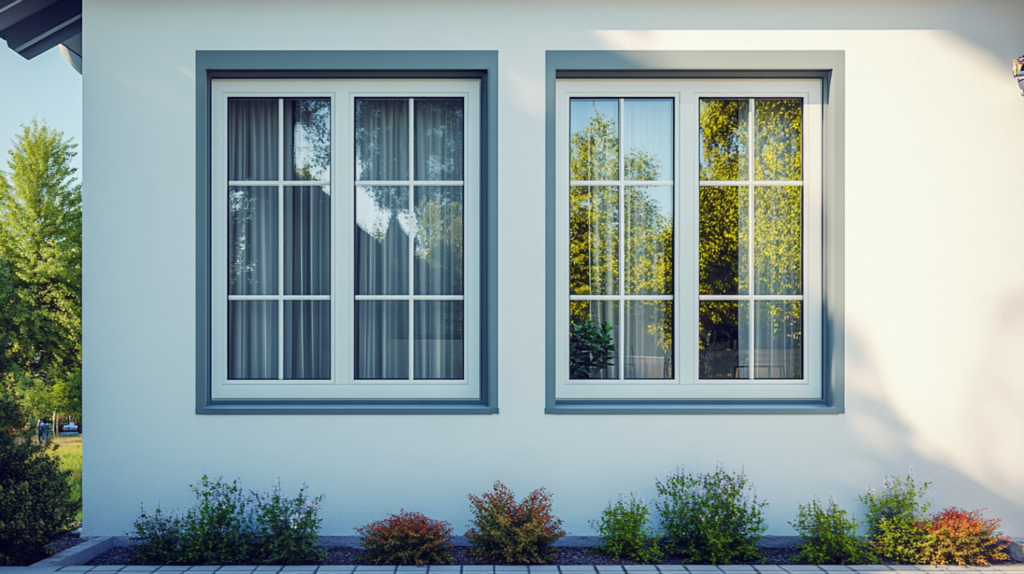
Yes, vinyl windows are good for most homes. Vinyl windows deliver strong energy efficiency through multi-chamber PVC frames that trap air and resist heat transfer, require almost no maintenance over their 20- to 40-year lifespan, and perform reliably across a wide range of climates and home styles. A 2025 This Old House survey of 1,000 homeowners found that 32% of all window buyers chose vinyl, and over 40% cited energy efficiency as their most important factor, both of which point to vinyl as the material that best balances performance with value for the broadest range of homeowners.
That said, vinyl is not the best material for every situation. Homes in extreme-heat climates face accelerated UV degradation, and homes in hurricane zones require impact-rated products that standard vinyl does not provide. This article explains what makes vinyl windows good, where they excel, where their limitations appear, how they compare to fiberglass and impact-rated alternatives, and what Florida homeowners specifically should consider.
Key Takeaways
- Vinyl windows are made from polyvinyl chloride (PVC) with UV stabilizers and multi-chamber frame profiles that provide effective insulation and moisture resistance.
- ENERGY STAR certified vinyl windows save homeowners $101 to $583 per year when replacing single-pane windows, according to ENERGY STAR.
- Quality vinyl windows last 20 to 40 years; builder-grade vinyl lasts 8 to 15 years.
- Vinyl requires virtually no maintenance: no painting, staining, or sealing throughout its service life.
- Fiberglass windows outperform vinyl in lifespan (30 to 50 years) and thermal stability.
- In Florida's hurricane zones, impact windows with aluminum frames provide both energy efficiency and storm protection that standard vinyl cannot deliver.
- Vinyl window replacement recoups 68% to 73% of project cost at resale, according to the 2025 Zonda Cost vs. Value Report.
Are Vinyl Windows Good, and What Makes Them a Strong Choice?
Vinyl windows are good because they combine energy efficiency, low maintenance, moisture resistance, and affordability in a single frame material that performs well for 20 to 40 years across most residential applications. The U.S. Department of Energy reports that windows account for 25% to 30% of residential heating and cooling energy use. Vinyl frames address that energy loss through multi-chamber construction that traps air inside the frame profile, creating a thermal barrier that slows heat transfer between the interior and exterior of the home.
The affordability of vinyl relative to fiberglass, wood, and aluminum makes it the most accessible option for homeowners replacing multiple windows at once. A whole-home vinyl replacement project stretches the budget further per window than any other frame material, which allows homeowners to upgrade every opening in the house rather than replacing only the worst-performing windows and leaving the rest.
What Are Vinyl Windows Made Of?
Vinyl windows are made of polyvinyl chloride (PVC), a thermoplastic polymer that resists moisture absorption, insect damage, and corrosion. During manufacturing, raw PVC is combined with UV stabilizers (typically titanium dioxide), impact modifiers, thermal stabilizers, and pigments, then extruded into the multi-chamber profiles that form the window frame and sash. The color is mixed throughout the full thickness of the material rather than applied as a surface coating, which means scratches and scuffs do not reveal a different color underneath.
The multi-chamber design is what gives vinyl its insulating properties. Each chamber traps a pocket of dead air, and dead air is one of the most effective thermal insulators available. A premium vinyl frame profile contains 3 to 6 internal chambers. Economy profiles contain 1 to 2 chambers, which reduces insulation capacity and structural rigidity. The number of chambers is one of the clearest indicators of quality difference between premium and builder-grade vinyl windows.
Are Vinyl Windows Energy Efficient?
Yes, vinyl windows are energy efficient because PVC has low thermal conductivity and the multi-chamber frame design creates multiple insulating air barriers that reduce heat transfer through the frame. The Environmental Protection Agency reports that ENERGY STAR certified windows and doors reduce heating and cooling costs by up to 13% compared to non-certified products. ENERGY STAR data shows that homeowners replacing single-pane windows with certified double-pane vinyl windows save $101 to $583 per year, depending on the home's size, climate zone, and the number of windows replaced.
The glass package contributes as much to energy performance as the frame material. Double-pane insulated glass with Low-E coatings and argon gas fills is the standard configuration in modern vinyl windows. Low-E coatings reflect radiant heat while allowing visible light to pass through, and the argon gas between the panes reduces conductive heat transfer across the insulating airspace. Glass glazing upgrades like triple-pane configurations and krypton gas fills further improve performance for homeowners who want maximum insulation.
How Much Maintenance Do Vinyl Windows Need?
Vinyl windows need almost no maintenance throughout their service life because PVC does not rot, rust, peel, or require painting or staining. The only routine care vinyl windows need is periodic cleaning with mild soap and water, annual inspection of the weatherstripping and hardware, and clearing the weep holes at the base of the frame to maintain proper drainage. This maintenance profile is one of the primary reasons homeowners choose vinyl over wood, which requires repainting or restaining every 5 to 10 years to prevent moisture damage.
The low-maintenance advantage compounds over the life of the window. A homeowner with 15 windows in the house saves dozens of hours and significant material cost over 20 years by avoiding the repainting cycle that wood windows demand. For rental properties, vacation homes, and any situation where regular hands-on maintenance is inconvenient or impractical, vinyl's maintenance-free performance is a strong advantage.
What Are the Limitations of Vinyl Windows?
The limitations of vinyl windows include a shorter lifespan than fiberglass or aluminum, susceptibility to warping in extreme heat, limited color options compared to paintable materials, and inability to provide hurricane-rated impact protection in standard configurations. These limitations do not make vinyl a poor choice for most homes. They define the specific conditions where other materials outperform vinyl and where homeowners should evaluate alternatives.
Vinyl's thermal expansion coefficient is approximately 3.33 times 10 to the negative fifth inch per inch per degree Fahrenheit, according to GEALAN Windows. This rate is seven times more reactive than glass, which means vinyl frames expand and contract measurably with temperature changes. In moderate climates, this expansion is well within the tolerance of the glass seal and weatherstripping. In extreme-heat climates with prolonged direct sun exposure, the expansion cycle accelerates seal degradation and can cause frame distortion over time. PVC begins to soften at approximately 176 degrees Fahrenheit, according to Biology Insights, and dark-colored vinyl surfaces in direct sun can approach that threshold on peak summer days.
Standard vinyl windows are not manufactured to withstand hurricane-force winds or flying debris. In Florida's High Velocity Hurricane Zone, all exterior windows must carry Miami-Dade NOA certification or Florida Product Approval with impact rating. Standard vinyl does not meet these requirements. Homeowners in hurricane zones need impact-rated products with laminated glass and reinforced frames, which typically use aluminum rather than vinyl as the frame material because aluminum provides the structural rigidity needed to pass missile-impact testing.
What Is the Average Lifespan of Vinyl Windows?
The average lifespan of vinyl windows is 20 to 40 years for quality products and 8 to 15 years for builder-grade products, according to industry sources including Forshaw of St. Louis and JC Tonnotti Window Company. The range reflects the quality difference between premium vinyl with thick-walled extrusions, multiple internal chambers, and advanced UV stabilizers versus economy vinyl with thinner walls, fewer chambers, and minimal stabilization.
Fiberglass windows last 30 to 50 years, and aluminum-framed impact windows can last 40 to 50 years with proper care. Wood windows last 15 to 30 years with consistent maintenance. Vinyl occupies the middle of the lifespan spectrum, outperforming wood in low-maintenance longevity while falling short of fiberglass and aluminum in absolute duration. For homeowners planning to stay in a home for 15 to 25 years, vinyl delivers strong performance across that ownership period. For homeowners planning a 30-year or longer stay, fiberglass or impact-rated aluminum provides better return on the investment.
How Can You Tell If a Vinyl Window Is Good Quality?
You can tell if a vinyl window is good quality by examining the frame wall thickness, the number of internal chambers, the corner construction method, the hardware grade, and the certifications displayed on the NFRC label.
- Check the frame wall thickness. Premium vinyl windows use main frame members with walls at least 0.070 inches thick. Thicker walls produce a stiffer, more durable frame that resists bowing under wind pressure and thermal stress.
- Count the internal chambers visible in a cross-section of the frame. Quality windows have 3 to 6 chambers. Budget windows have 1 to 2 chambers. More chambers mean better insulation and greater structural rigidity.
- Inspect the corner joints. Fusion-welded corners, where the PVC is heat-bonded at the joints, create a stronger and more watertight connection than mechanically fastened (screwed or snapped) corners. Fusion welding is a hallmark of premium vinyl manufacturing.
- Test the hardware. Open and close the sash several times. Quality balance mechanisms operate smoothly without binding, and the lock should engage firmly with a solid click. Loose, wobbly, or stiff hardware indicates lower-grade components.
- Read the NFRC label. The National Fenestration Rating Council label displays the U-factor (lower is better for insulation), Solar Heat Gain Coefficient (lower is better in hot climates), and Visible Transmittance. ENERGY STAR certification confirms the window meets minimum performance standards for the applicable climate zone.
- Ask about the warranty. According to Remodeling Magazine, approximately 70% of vinyl windows come with lifetime warranties. A comprehensive warranty covering the frame, glass seal, and hardware separately with clearly stated durations is a strong quality signal.
Are Vinyl Windows Good for Florida Homes?
Vinyl windows are good for Florida homes in interior applications and in locations where impact-rated products are not required by code, but they are not the right choice for exterior windows in the High Velocity Hurricane Zone where impact certification is mandatory. Florida's climate combines intense UV radiation, high humidity, salt air in coastal areas, and hurricane risk, all of which test vinyl's performance more aggressively than northern climates do.
For interior applications like room dividers, office partitions, and pass-through openings, vinyl delivers the same energy efficiency and low-maintenance benefits in South Florida that it delivers anywhere else. The interior environment shields vinyl from the UV exposure, thermal extremes, and moisture cycles that accelerate degradation on exterior surfaces.
For exterior windows in the HVHZ (Miami-Dade and Broward counties), the Florida Building Code requires that every exterior window carry a Miami-Dade NOA certification verifying impact resistance. Standard vinyl windows do not meet this requirement. Impact-rated windows with reinforced aluminum frames and laminated impact glass are engineered specifically for this environment.
The Insurance Institute for Business and Home Safety reports that 40% of hurricane structural damage occurs through window and door openings, which is why the code requires impact glass on every exterior glazed opening in the zone.
What Is Better Than Vinyl Windows?
Fiberglass windows are better than vinyl in lifespan, thermal stability, and structural rigidity, and impact-rated aluminum windows are better than vinyl in hurricane resistance, security, and longevity in coastal environments. Vinyl remains better than both in upfront affordability.
Fiberglass has a thermal expansion coefficient close to that of glass, which means fiberglass frames and the glass they hold expand and contract at nearly the same rate. This matched expansion reduces stress on the glass seal over decades of thermal cycling, which is why fiberglass windows maintain their energy performance and seal integrity longer than vinyl. Fiberglass windows last 30 to 50 years with virtually zero maintenance.
Impact-rated aluminum windows provide structural strength that vinyl and fiberglass cannot match in hurricane-zone applications. Extruded aluminum frames pass the large-missile impact tests (a 9-pound 2x4 projectile at 50 feet per second) required for Miami-Dade NOA certification. Impact doors use the same reinforced aluminum construction for the same reasons. Aluminum does not rot, warp, or become brittle under UV exposure, and it resists salt-air corrosion, making it the preferred frame material for coastal Florida.
Clad windows offer a hybrid approach: a wood interior for aesthetic warmth paired with a fiberglass or aluminum exterior for weather resistance. This combination delivers the visual appeal of wood without the maintenance burden, and the exterior cladding provides the durability that vinyl cannot match in demanding climates.
How Do Vinyl Windows Compare to Fiberglass and Impact Windows?
Vinyl, fiberglass, and impact-rated aluminum windows differ across lifespan, thermal stability, maintenance, hurricane resistance, and cost, with each material excelling in specific categories.
Factor
Vinyl (Premium)
Fiberglass
Impact Aluminum
Typical lifespan
20 to 40 years
30 to 50 years
40 to 50 years
Thermal expansion
High (7x glass)
Low (close to glass)
Moderate (with thermal break)
Maintenance
Very low
Very low
Low
Hurricane rated
No (standard)
Available in some lines
Yes (Miami-Dade NOA)
Relative cost
Lowest
Moderate to high
Highest
Resale ROI
68-73% (Zonda 2025)
60-70%
High (includes insurance savings)
Best application
Budget whole-home replacement
Long-term value in any climate
Florida hurricane zones; coastal
Sources: 2025 Zonda Cost vs. Value Report; GEALAN Windows thermal data; This Old House 2025 homeowner survey; Florida Office of Insurance Regulation; IBHS hurricane damage data.
The right choice depends on the homeowner's priorities. Vinyl is the right choice when affordability and broad availability are the primary goals and the home is in a moderate climate without hurricane requirements. Fiberglass is the right choice when long-term value and minimal thermal cycling stress matter most. Impact-rated aluminum is the right choice in hurricane zones where code compliance, storm protection, and insurance savings are part of the equation.
Do Vinyl Windows Increase Home Value?
Yes, vinyl windows increase home value, with vinyl window replacement adding an average of $16,657 to resale value and recouping 68% to 73% of the project cost at the time of sale, according to the 2025 Zonda Cost vs. Value Report published by the Journal of Light Construction. When the energy savings during the years the homeowner occupies the home are factored in, the effective return on investment climbs toward 90% to 100% over a 10-year ownership period.
New windows signal to buyers that the home has been maintained and upgraded. French doors with matching frame finishes further strengthen the visual impression that the entire home has been thoughtfully updated.
In Florida's market, impact-rated windows add an additional layer of buyer appeal because they eliminate the need for the new owner to undertake the upgrade separately, and the insurance savings transfer immediately to the new policy.
Frequently Asked Questions
Do Vinyl Windows Warp?
Vinyl windows can warp under extreme and prolonged heat exposure because PVC is a thermoplastic that softens at approximately 176 degrees Fahrenheit. In moderate climates with standard light-colored vinyl frames, warping is rare. In high-UV environments with dark-colored frames or direct south-facing and west-facing exposure for extended hours, the cumulative thermal stress can cause gradual frame distortion over years. Quality vinyl with UV stabilizers and lighter frame colors resists warping more effectively than economy vinyl.
Do Vinyl Windows Look Cheap?
Modern vinyl windows do not look cheap. Early vinyl windows from the 1980s and 1990s had limited color options (primarily white) and thick frame profiles that produced a utilitarian appearance. Today's vinyl windows are available in dozens of colors, faux-wood grain textures, and slimmer profiles that create a cleaner, more architectural appearance. Premium vinyl lines are visually comparable to painted fiberglass and aluminum at a fraction of the cost.
Are Vinyl Windows Safe?
Yes, vinyl windows are safe for residential use. New vinyl windows may release trace amounts of volatile organic compounds (VOCs) during the first weeks after installation, particularly in direct sunlight. The off-gassing diminishes rapidly and is considered minimal in products manufactured with stabilized PVC compounds. Opening windows for ventilation during the initial weeks after installation accelerates the off-gassing period.
How Long Do Cheap Vinyl Windows Last?
Cheap or builder-grade vinyl windows last 8 to 15 years before showing significant performance decline. Builder-grade products use thinner PVC extrusions, fewer internal chambers, lower-grade hardware, and less UV stabilization than premium replacement windows. The decline manifests as seal failure between the glass panes, balance mechanism failure, lock degradation, and frame discoloration or warping.
Can Vinyl Windows Be Painted?
Vinyl windows can be painted using a bonding primer and a 100% acrylic exterior paint in a color with a Light Reflectance Value (LRV) at or above 55, but most manufacturers void the warranty when the windows are painted. Dark paint colors absorb solar heat that can push the vinyl past its softening point, causing the frame to warp. Factory-applied colors mixed into the PVC resin are the more durable and warranty-safe alternative to field painting.
Are Vinyl Windows Good for Hurricane Zones?
Standard vinyl windows are not good for hurricane zones because they do not meet the impact-resistance requirements of the Florida Building Code or Miami-Dade NOA standards. In the HVHZ, every exterior window must pass large-missile and cyclic-pressure testing. Impact-rated windows with reinforced aluminum frames and laminated glass are the required product type for exterior openings in hurricane zones. The Florida Office of Insurance Regulation reports that homes with certified impact protection on all openings receive insurance premium reductions of 10% to 45%.
The Takeaway
Vinyl windows are a good choice for the majority of homeowners who want reliable energy efficiency, very low maintenance, and solid performance at the most affordable price point available. They perform well across moderate climates, deliver measurable energy savings and resale value, and require almost no ongoing care over their 20- to 40-year service life. The limitations of vinyl become relevant in extreme-heat climates, in situations demanding maximum longevity, and in hurricane zones where impact-rated products are required by code.
For South Florida homeowners deciding between vinyl and impact-rated options, the combination of hurricane protection, insurance savings, extended lifespan, and code compliance that impact windows provide makes them the stronger investment. ASP Windows & Doors helps homeowners evaluate both paths and choose the right products for their home's specific requirements.
Call us at (888) 782-8342 or request a free estimate to start the conversation.
Now Accepting Appointments
Proudly serving homeowners and businesses across South Florida and Southwest Florida. Book your visit and let our experts help protect and upgrade your space.
.avif)
.avif)
.avif)
%201.avif)
Insights & Resources
Stay informed with expert tips on impact windows, hurricane protection, and South Florida building standards.


%201.webp)
%201%20(1).webp)
%201.svg)
%201%20(1)%20(1).webp)
.png%20(1).webp)
.png.webp)
.avif)
.avif)


.avif)


.png)
.png)