.avif)


Does Florida Building Code Require Impact Windows and Doors?
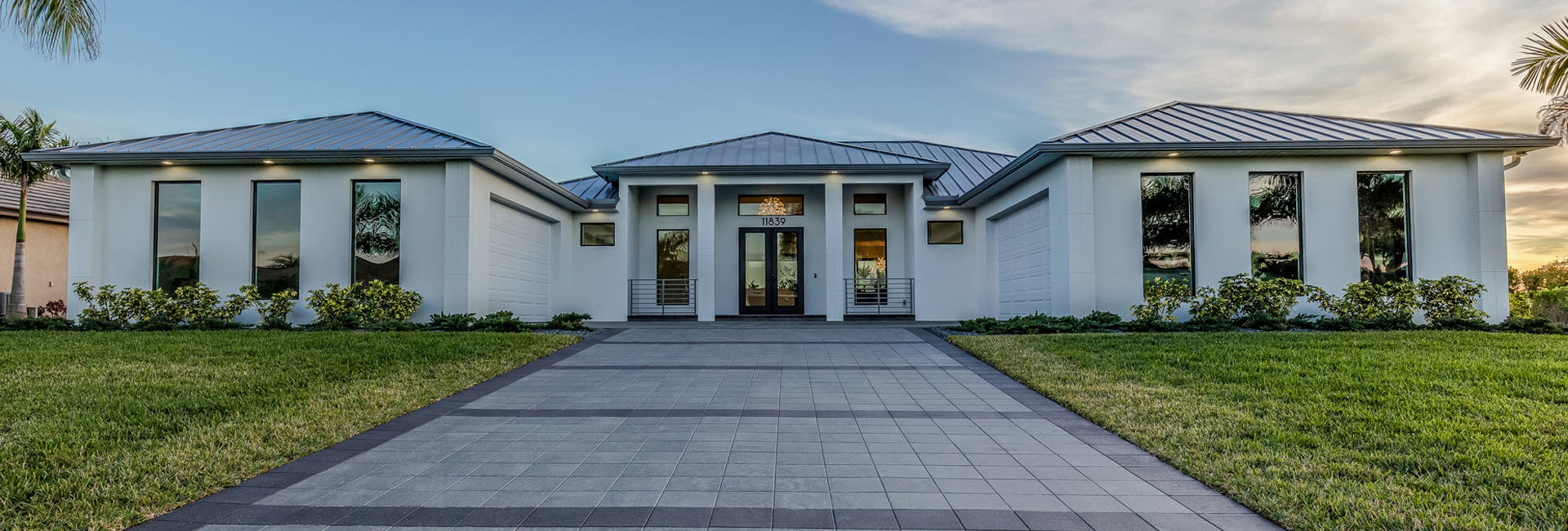
Yes, Florida Building Code requires impact windows and doors or approved opening protection systems in Wind-Borne Debris Regions defined as areas within one mile of coastal mean high water where basic wind speed equals or exceeds 130 mph per Section 1609.1.2. These requirements apply to Miami-Dade, Broward, Palm Beach, Monroe, Lee, Collier, Martin, St. Lucie, Indian River, Brevard, Volusia, Flagler, St. Johns, and portions of other coastal counties. The Federal Alliance for Safe Homes reports 65% of Florida's 21 million residents live in areas requiring impact protection or storm shutters.
Hurricane Andrew's 165 mph winds in 1992 caused $27 billion in property damage destroying 25,000+ homes in Miami-Dade County. This catastrophe prompted comprehensive building code reforms establishing the strictest wind and impact standards in the United States. The Insurance Institute for Business & Home Safety reports homes built to post-Andrew codes experience 75% less hurricane damage compared to older structures.
This guide explains Florida's impact window requirements, county-specific regulations, High Velocity Hurricane Zone standards, code compliance options, and enforcement procedures for Doral, Kendall, and Fort Lauderdale properties.
What Counties in Florida Require Impact Windows?
Miami-Dade, Broward, Palm Beach, Monroe, Lee, Collier, Martin, St. Lucie, Indian River, Brevard, Volusia, Flagler, St. Johns, Duval, Nassau, Charlotte, Sarasota, Manatee, Pinellas, Hillsborough, Pasco, and Hernando counties require impact windows or approved protection systems in designated Wind-Borne Debris Regions. The Florida Building Code establishes statewide baseline requirements with individual counties adopting additional local amendments. Coastal properties within one mile of mean high water face the strictest requirements regardless of county location.
High Velocity Hurricane Zone Counties
Miami-Dade and Broward counties comprise the High Velocity Hurricane Zone with the most stringent requirements in Florida. The Miami-Dade County Product Control Division operates independent testing and certification programs exceeding state minimums. All window and door products require Notice of Acceptance certification before installation in these counties.
Hurricane Andrew's direct strike on Miami-Dade County in 1992 generated wind speeds of 165 mph with pressure readings of 922 millibars. The National Hurricane Center reports Andrew maintained Category 5 intensity at landfall making it the most destructive storm in U.S. history at that time. Post-storm analysis revealed 80% of destroyed homes featured inadequate window and door protection.
The HVHZ designation requires impact products withstanding design pressures of 50-70 PSF depending on building height and exposure category. Exposure D classifications near coastlines demand higher ratings than Exposure C inland locations. Products certified for HVHZ automatically meet requirements for all other Florida regions.
South Florida Coastal Counties
Palm Beach County implements Florida Building Code requirements with local amendments addressing coastal construction and historic preservation. Properties in coastal construction control lines require additional engineering and stricter anchoring systems. The county building department maintains approved product lists supplementing state and Miami-Dade certifications.
Monroe County encompassing the Florida Keys enforces HVHZ-equivalent standards due to extreme hurricane exposure and limited evacuation routes. The 120-mile island chain experiences direct hurricane strikes every 8-10 years according to National Oceanic and Atmospheric Administration historical data. Special provisions address salt air corrosion and elevated flood requirements.
Lee County covering Fort Myers and Cape Coral requires impact protection within designated Wind-Borne Debris Regions. Hurricane Ian's 150 mph winds in 2022 caused $113 billion in damage demonstrating need for robust protection standards. The county updated local amendments following Ian requiring enhanced anchoring and testing documentation.
Central and Northeast Coast Counties
Brevard County housing Cape Canaveral and Melbourne enforces impact requirements for barrier island properties and coastal areas. The county experiences direct hurricane strikes every 4-6 years with recent storms including Matthew (2016), Irma (2017), and Nicole (2022). Building officials verify product certifications through Florida Product Approval database searches.
Volusia County including Daytona Beach requires impact protection in coastal zones with special provisions for high-rise construction. The county building department coordinates with state agencies ensuring code consistency across jurisdictional boundaries. Properties in flood zones face combined wind and water resistance requirements.
St. Johns County encompassing St. Augustine implements historic district overlay requirements adding aesthetic standards to impact protection mandates. Historic preservation boards review product selections ensuring compatibility with architectural character while meeting safety codes. The Federal Alliance for Safe Homes recognizes several St. Johns properties as FORTIFIED Home demonstration projects.
Southwest Coast Counties
Collier County serving Naples and Marco Island requires impact protection throughout coastal areas with enhanced standards for barrier island properties. The county experienced Category 4 Hurricane Irma in 2017 with 142 mph sustained winds testing building code effectiveness. Post-storm inspections revealed 95% of code-compliant impact installations survived without damage.
Charlotte County including Port Charlotte and Punta Gorda enforces strict impact requirements following devastating losses from Hurricane Charley in 2004. The compact Category 4 storm produced 150 mph winds destroying 14,000+ homes. Updated county amendments require enhanced roof-to-wall connections and impact protection for all openings.
Sarasota and Manatee counties implement graduated requirements based on distance from coastline. Properties within one mile of mean high water require full impact protection while inland areas may use approved shutter systems. The counties coordinate building standards ensuring consistent enforcement across shared boundaries.
What Are Florida Window Code Requirements for Residential Properties?
Florida residential window code requirements mandate impact-resistant glazing or approved opening protection systems meeting ASTM E1996 impact standards and design pressure ratings calculated per ASCE 7 wind load provisions in Wind-Borne Debris Regions per Florida Building Code Section 1609. Windows must survive large missile testing using 9-pound 2x4 lumber at heights under 30 feet or small missile testing using steel balls at heights exceeding 30 feet. Cyclic pressure testing requires 9,000 cycles at 1.5 times design pressure following impact events.
Design Pressure Calculations
Design pressure ratings calculate using basic wind speed, building height, exposure category, and importance factors. South Florida coastal properties require calculations based on 170-180 mph ultimate wind speeds. The American Society of Civil Engineers ASCE 7 standard provides calculation methodology adopted by Florida Building Code.
Exposure categories affect pressure calculations with Exposure D representing open coastlines with maximum wind exposure. Exposure C covers suburban areas with scattered obstructions. Building corners experience 30-40% higher pressures than wall centers requiring enhanced ratings for corner windows.
Importance factors increase design requirements for essential facilities including hospitals, fire stations, and emergency operation centers. Residential structures use standard importance factors while commercial buildings may require enhanced ratings. Licensed engineers perform calculations sealed with professional stamps verifying code compliance.
Impact Testing Requirements
Large missile impact testing uses 9-pound 2x4 lumber boards 8 feet long propelled at 50 feet per second for basic wind speeds of 130-139 mph. Higher wind zones require impact velocities up to 80 feet per second. Windows must survive two impacts at different locations without creating openings exceeding 3 square inches.
Small missile testing uses 2-gram steel balls traveling at 80 feet per second simulating gravel and small debris. This testing applies to windows at heights exceeding 30 feet where building codes assume large debris does not reach. Ten ball bearings strike different window locations verifying glass retention and frame integrity.
Cyclic pressure testing follows impact events applying 9,000 positive and negative pressure cycles. Pressures reach 1.5 times calculated design pressure simulating hours of sustained hurricane winds. Windows must maintain weathertight seals without glass dislodgement, frame deflection, or hardware failure throughout testing.
Glazing Material Standards
Laminated glass construction using two sheets of tempered glass bonded to polyvinyl butyral interlayers provides primary impact resistance. Glass thickness ranges from 3mm to 6mm per panel depending on window size and pressure ratings. The PVB interlayer typically measures 0.060-0.090 inches maintaining glass fragment retention after breakage.
Tempered glass undergoes heat treatment reaching 1,200°F then rapid cooling creating surface compression of 10,000+ PSI. This process increases strength 4-5 times compared to annealed glass. The Consumer Product Safety Commission requires tempered glass in hazardous locations including doors and low windows.
Insulated glass units combining impact-resistant exterior panes with standard interior panes achieve both hurricane protection and energy efficiency. Low-E coatings on interior surfaces block 70-85% of infrared radiation reducing cooling costs. Argon gas fills between panes enhance insulation values reaching U-Factors of 0.30-0.35.
Frame and Anchoring Requirements
Aluminum frame extrusions require minimum wall thicknesses of 0.125-0.187 inches for impact-rated windows. Structural calculations verify frame capacity to resist design pressure loads without exceeding deflection limits. The American Architectural Manufacturers Association publishes performance standards adopted by Florida Building Code.
Anchoring systems must penetrate structural framing members minimum 3-4 inches using approved fasteners. Screw spacing of 6-8 inches around window perimeters distributes wind loads preventing localized failures. The Federal Alliance for Safe Homes testing shows proper anchoring equals material quality for achieving protection goals.
Vinyl frames require internal reinforcement using aluminum or steel channels meeting structural load requirements. Premium vinyl formulations resist UV degradation and maintain dimensional stability in Florida's climate. The Vinyl Window and Door Institute certifies products meeting performance standards through third-party testing programs.
What Are Code Compliance Options Besides Impact Windows?
Code compliance options besides impact windows include aluminum storm panels, roll-down shutters, accordion shutters, Bahama shutters, colonial shutters, and fabric storm screens meeting Florida Building Code Section 1609 opening protection requirements. These systems must achieve the same impact resistance and design pressure ratings as impact windows when deployed. The Insurance Institute for Business & Home Safety reports properly installed shutter systems provide equivalent protection at 40-60% lower initial costs than impact window replacement.
Storm Panel Systems
Aluminum storm panels cost $8-15 per square foot installed providing economical hurricane protection. Panels attach to permanent tracks using wing nuts or clips allowing homeowner installation before storms. Storage requirements and installation time limitations create practical challenges for some homeowners.
Clear polycarbonate panels cost $15-25 per square foot offering visibility during storms and improved aesthetics. The lightweight material simplifies handling and installation compared to metal panels. Impact resistance equals aluminum systems while allowing natural light and storm observation.
Installation time requirements of 30-60 minutes per window create challenges when multiple storms threaten within short periods. Elderly homeowners or those with physical limitations struggle with panel handling and attachment. Professional installation services cost $500-1,500 for whole-house deployment when contractors remain available.
Roll-Down Shutter Systems
Motorized roll-down shutters cost $20-35 per square foot installed providing convenient protection through remote control operation. Aluminum slat construction achieves impact ratings and design pressures meeting code requirements. Installation takes 15-30 seconds per window using wall switches or smartphone controls.
Manual roll-down shutters cost $15-25 per square foot requiring hand crank operation from interior or exterior locations. These systems suit budget-conscious homeowners accepting operational inconvenience for cost savings. Proper maintenance ensures smooth operation throughout 20-25 year product lifespans.
Building-mounted shutter boxes affect exterior aesthetics requiring architectural review in historic districts and homeowner associations. The 6-12 inch housing projects from wall surfaces above windows creating visual impact. Some jurisdictions require color matching or strategic placement minimizing appearance effects.
Accordion Shutter Benefits
Accordion shutters cost $18-28 per square foot installed folding against building sides when not deployed. Homeowners unfold and latch panels across windows in 5-10 minutes per opening. Permanent installation eliminates storage requirements affecting garage and shed space.
Track-mounted systems allow single-person operation unlike panel systems requiring helpers for large windows. Aluminum construction resists corrosion in coastal environments maintaining functionality for 20-25 years. Annual lubrication and track cleaning ensure smooth operation when storms threaten.
Aesthetic concerns limit accordion shutter popularity in upscale neighborhoods and historic districts. The visible track and folded shutter stack create permanent architectural features affecting property appearance. Some homeowner associations prohibit or restrict accordion installations through architectural guidelines.
If you need certified impact window and door installation meeting Florida Building Code requirements for your Doral, Kendall, or Fort Lauderdale property, ASP Windows & Doors provides complete solutions including permitting, product selection, and professional installation. Our licensed contractors ensure Miami-Dade County Notice of Acceptance compliance and proper anchoring meeting High Velocity Hurricane Zone standards. Call (888) 782-8342 to schedule your free consultation with code compliance verification and project estimates. We serve residential and commercial properties throughout Miami-Dade, Broward, and Palm Beach counties with manufacturer warranty support and insurance discount documentation.
Now Accepting Appointments
Proudly serving homeowners and businesses across South Florida and Southwest Florida. Book your visit and let our experts help protect and upgrade your space.
.avif)
.avif)
.avif)
%201.avif)
Insights & Resources
Stay informed with expert tips on impact windows, hurricane protection, and South Florida building standards.


%201.svg)
%201%20(1)%20(1).png)
.png%20(1).png)
.png.png)
.avif)
.avif)


.avif)
