.avif)


Maintenance Needed for Your Windows and Doors
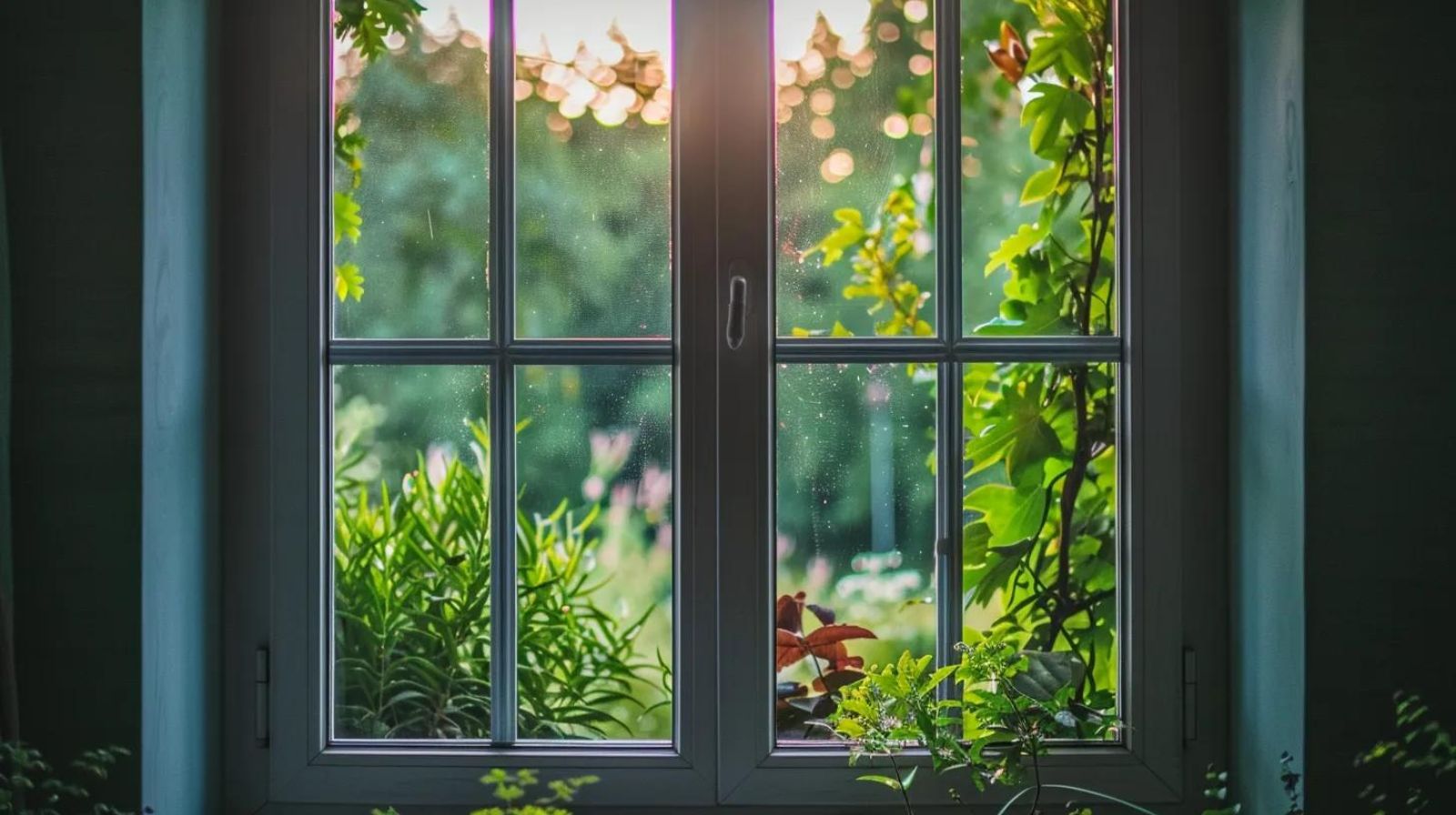

Windows and doors need regular cleaning, lubrication, seal inspections, and hardware checks to stay in top shape. The good news? Most maintenance tasks are simple and take just a few minutes. With basic care, your windows and doors can last 20 years or more while keeping your home comfortable, secure, and energy-efficient.
This guide walks you through everything you need to know about window and door maintenance. You'll learn how often to perform each task, what supplies to use, and when to call a professional. Whether you have standard windows or impact windows built for Florida's hurricane season, proper care protects your investment and keeps everything working smoothly.
Why Window and Door Maintenance Matters
Skipping maintenance might seem harmless at first. But small problems grow into big headaches fast. A dirty track today becomes a stuck window tomorrow. A worn seal this month becomes water damage next year.
Protects Your Investment
Windows and doors aren't cheap. A full home replacement can cost $10,000 to $35,000 or more. Regular maintenance helps you get the most life out of that investment. Well-maintained windows can last 20-25 years. Neglected ones may need replacement in just 10-15 years.
Saves Money on Energy Bills
According to the U.S. Department of Energy, sealing gaps around windows and doors can reduce heating and cooling costs by more than 20%. Damaged seals let conditioned air escape. Your HVAC system works harder. Your bills go up. Simple maintenance keeps everything sealed tight.
Prevents Costly Repairs
Catching problems early saves money. A small crack in caulking is a $10 fix. Ignoring it can lead to water damage, mold, and structural repairs costing thousands. A quick inspection twice a year can spot issues before they become disasters.
Keeps Your Home Secure
Doors with worn hardware or damaged frames are easier targets for intruders. Windows that don't lock properly create security risks. Regular maintenance keeps locks, hinges, and frames working correctly.
Essential Window Maintenance Tasks
Window care doesn't have to be complicated. Focus on these key areas, and your windows will reward you with years of trouble-free performance.
Cleaning the Glass
Clean windows do more than look nice. Dirt buildup can actually scratch glass over time. Plus, clean windows let in more natural light, which makes your home feel brighter and more inviting.
What you'll need: mild soap or glass cleaner, water, microfiber cloth or squeegee, soft brush
How often: Every 1-3 months for interior glass, 2-4 times per year for exterior
Steps to follow:
Start by rinsing the glass with clean water to remove loose dirt and debris. Apply a mild cleaning solution. A mix of dish soap and water works great. Wipe with a microfiber cloth or squeegee, working from top to bottom. Dry the edges to prevent water spots.
What to avoid:
Never use abrasive cleaners, razor blades, or rough scrubbing pads. These can scratch the glass surface. For impact glass, which has special coatings, stick to non-abrasive cleaners to protect the protective film.
Cleaning Window Frames and Tracks
Dirt and debris in tracks cause windows to stick and resist smooth operation. Grime on frames can lead to discoloration and even corrosion over time.
For vinyl frames: Use mild soap and water. Wipe with a soft cloth. Never use harsh chemicals, solvents, or abrasive cleaners on vinyl. They can damage the surface.
For aluminum frames: Clean with a non-abrasive cleaner. In coastal areas like Miami-Dade, Broward, and Palm Beach counties, salt air can corrode unprotected aluminum. Apply car wax once a year to create a protective barrier.
For tracks and sills: Vacuum loose debris first. Then wipe with a damp cloth. Use a small brush (an old toothbrush works great) to reach corners and crevices.
Lubricating Moving Parts
Hinges, tracks, locks, and operators need lubrication to work smoothly. Without it, metal parts grind against each other, causing wear and making windows hard to operate.
What to use: Silicone-based spray lubricant works best. Avoid petroleum-based products, which can attract dirt and gum up over time.
How often: Once or twice a year. Do it after cleaning, and definitely before and after the rainy season.
Where to apply:
- Hinges on casement and awning windows
- Tracks on sliding windows and doors
- Lock mechanisms and latches
- Crank operators on casement windows
- Rollers on sliding doors
Apply sparingly. A little goes a long way. Too much lubricant attracts dirt and creates buildup.
Inspecting and Maintaining Seals
Weatherstripping and seals keep air and water out. They're your first line of defense against drafts, moisture, and energy loss. Over time, seals can crack, flatten, or pull away from surfaces.
Signs of seal problems:
- Visible cracks, gaps, or peeling
- Drafts near closed windows
- Condensation between glass panes (indicates seal failure)
- Increased energy bills
- Water leaks during rain
How to check: Run your hand around the window perimeter while it's closed. Feel for air movement. On a windy day, hold a lit candle near the edges. Flickering indicates a draft. You can also close a piece of paper in the window. If it pulls out easily, the seal isn't tight enough.
Maintenance tips:
Clean seals regularly with mild soap and water. Fluff compressed weatherstripping with an old toothbrush. Apply a silicone-based lubricant to keep rubber seals pliable and prevent cracking.
Replace weatherstripping when it's cracked, hardened, or no longer seals properly. Most rubber or foam seals last 5-10 years.
Checking and Maintaining Hardware
Loose screws, worn locks, and corroded hardware affect both function and security. A quick check can prevent bigger problems.
What to inspect:
- Window locks and latches
- Hinges and pivot points
- Crank handles and operators
- Screws and fasteners
Tighten any loose screws. Replace worn or broken hardware promptly. If a lock doesn't engage smoothly, it may need lubrication or replacement.
Essential Door Maintenance Tasks
Doors face even more wear than windows. Entry doors get opened and closed thousands of times each year. Sliding doors carry heavy glass panels. All that use requires regular attention.
Cleaning Door Surfaces
Door maintenance starts with keeping surfaces clean. This applies to the door itself, the frame, and the threshold.
For glass panels: Follow the same process as windows. Use mild cleaner and soft cloths.
For painted or finished surfaces: Wipe with a damp cloth and mild soap. Avoid abrasive cleaners that can damage the finish.
For thresholds: Vacuum or sweep debris regularly. Wipe with a damp cloth. Check for damage that could let water seep in.
Maintaining Weatherstripping
Door weatherstripping takes a beating. Every time the door opens and closes, the seals compress and release. Over time, they wear out.
Check for: Gaps between the door and frame when closed, drafts near the door, light visible around the edges, difficulty closing the door
Maintenance: Keep weatherstripping clean. Wipe with a damp cloth. Apply silicone lubricant occasionally to keep rubber pliable.
When to replace: If weatherstripping is cracked, flattened, or no longer creates a tight seal. Replacement weatherstripping is available at hardware stores and is a manageable DIY project.
Lubricating Hinges and Locks
Squeaky hinges and sticky locks are more than annoying. They signal parts under stress that may eventually fail.
Apply silicone spray to:
- Door hinges (top, middle, and bottom)
- Lock cylinders (spray into the keyhole)
- Deadbolt mechanisms
- Sliding door tracks and rollers
Open and close the door several times after lubricating to work the product into all moving parts.
Adjusting Door Alignment
Doors can shift over time, especially in Florida's climate where humidity causes wood to expand and contract. A misaligned door may stick, drag on the floor, or fail to latch properly.
Signs of misalignment:
- Door rubs against the frame
- Uneven gaps between door and frame
- Difficulty closing or latching
- Door swings open or closed on its own
Minor adjustments can often be made by tightening hinge screws. If the problem persists, the hinges may need to be shimmed or replaced. For significant issues, consult a professional.
Special Considerations for Impact Windows and Doors
Impact windows and impact doors are built tough to withstand Florida's hurricanes. They require the same basic maintenance as standard windows, plus a few extra considerations.
Protecting the Impact Coating
Impact glass has a special laminated coating that holds the glass together if shattered. This coating can be damaged by harsh chemicals or abrasive cleaning methods.
Do: Use mild, non-abrasive cleaners. Clean with microfiber cloths. Rinse thoroughly after cleaning.
Don't: Use ammonia-based cleaners. Use paper towels (they can scratch). Use razor blades or scrapers.
After a storm, inspect the coating for any separation, bubbling, or damage. If you notice issues, contact a professional for assessment.
Post-Storm Inspections
Living in South Florida means hurricane preparedness is part of life. After any significant storm, inspect your impact windows and doors:
- Check glass for cracks, chips, or damage
- Inspect frames for bending or warping
- Test that windows and doors open, close, and lock properly
- Look for water intrusion around seals
- Check weatherstripping for damage
Even if everything looks fine, consider scheduling a professional inspection after a major storm. Some damage isn't visible to the untrained eye.
Dealing with Coastal Conditions
Homes near the coast face extra challenges. Salt air corrodes metal. Humidity promotes mold. Sand gets into everything.
For coastal homes:
- Clean windows and doors more frequently (monthly in some cases)
- Apply car wax to aluminum frames 2-4 times per year
- Check weatherstripping more often for deterioration
- Keep tracks and weep holes clear of sand and debris
Maintenance Schedule: How Often to Do What
Creating a maintenance schedule takes the guesswork out of care. Here's a simple breakdown:
Seasonal Tips for South Florida
Florida doesn't have harsh winters, but the climate still affects maintenance timing.
Before Hurricane Season (April-May):
- Complete a thorough inspection of all windows and doors
- Test all locks and latches
- Clear debris from tracks and weep holes
- Check weatherstripping condition
- Schedule any needed repairs before storm season begins
After Hurricane Season (December):
- Inspect for any storm-related damage
- Clean salt spray residue from coastal homes
- Lubricate all hardware
- Check seals and caulking
Rainy Season (June-September):
- Check for water intrusion after heavy rains
- Keep weep holes clear to allow drainage
- Watch for mold or mildew around frames
Common Problems and How to Fix Them
Even with regular maintenance, issues can arise. Here's how to handle common problems.
Sticky or Hard-to-Open Windows
Causes: Dirt in tracks, lack of lubrication, frame expansion from humidity, paint buildup
Solutions: Clean tracks thoroughly. Apply silicone lubricant. If paint is the problem, carefully scrape excess paint from tracks without damaging the finish.
Drafty Windows or Doors
Causes: Worn weatherstripping, gaps in caulking, misaligned frames
Solutions: Replace weatherstripping. Apply new caulk to gaps. Adjust hinges or strike plates to improve alignment.
Condensation Between Glass Panes
Causes: Failed seal in insulated glass unit
Solutions: This requires professional repair. The insulated glass unit (IGU) needs replacement. The window frame itself is usually fine.
Water Leaks During Rain
Causes: Damaged seals, clogged weep holes, improper installation, cracked caulking
Solutions: Check and clear weep holes. Inspect and replace damaged weatherstripping. Re-caulk around the exterior frame. If leaks persist, call a professional.
Locks That Won't Engage
Causes: Misalignment, worn components, dirt in mechanism
Solutions: Clean and lubricate the lock. Adjust the strike plate position. Replace worn lock hardware.
When to Call a Professional
Some maintenance tasks are best left to experts. Contact a professional if you notice:
- Cracks in the glass (especially in impact glass)
- Significant frame damage or warping
- Persistent water leaks despite troubleshooting
- Hardware that can't be fixed with adjustments
- Foggy insulated glass units
- Difficulty operating windows after basic maintenance
Professional inspections are also a good idea annually, especially for high-rise impact windows and commercial installations where safety is paramount.
Frequently Asked Questions
How Long Do Windows and Doors Typically Last?
With proper maintenance, quality windows and doors can last 20-25 years or more. Neglected windows may need replacement in just 10-15 years. Impact windows, built with reinforced frames and laminated glass, often have even longer lifespans when well-maintained.
Do Impact Windows Require Special Maintenance?
Impact windows need the same basic care as standard windows, plus a few extra considerations. Use only non-abrasive cleaners to protect the laminated coating. Inspect after storms for damage. Avoid harsh chemicals that can degrade the interlayer.
How Do I Know If My Seals Need Replacing?
Look for visible cracks, gaps, or hardening. Feel for drafts around closed windows. If weatherstripping is flattened and doesn't spring back, it's time for replacement. Condensation between double-pane glass indicates seal failure requiring professional repair.
Can I Clean My Windows With Vinegar?
Yes, a mixture of white vinegar and water makes an effective glass cleaner. Mix equal parts vinegar and water in a spray bottle. It cuts through grime without leaving residue. However, avoid getting vinegar on metal frames, as it can cause corrosion over time.
What's the Best Lubricant for Window Hardware?
Silicone-based lubricants work best. They don't attract dust and dirt like petroleum-based products. Avoid WD-40 for long-term lubrication—it's better for loosening stuck parts than for ongoing maintenance.
Should I Maintain My Windows Before or After Hurricane Season?
Both. Inspect and service windows before hurricane season (April-May) so everything is in top condition when storms threaten. Inspect again after the season ends to catch any storm damage and prepare for the next year.
Final Thoughts
Maintaining your windows and doors isn't complicated. A little attention throughout the year keeps everything working smoothly, looking great, and protecting your home. Clean the glass, lubricate the hardware, check the seals, and address problems early. These simple steps can add years to your windows' lifespan and save you money on energy bills and repairs.
For South Florida homeowners, proper maintenance is especially important. Our humid climate, salt air, and hurricane threats put extra demands on windows and doors. Regular care helps your impact windows perform when you need them most.
Need help with your windows and doors? Have questions about maintenance or repairs? The team at ASP Windows & Doors is here to help. With over 20 years serving South Florida and 1,900+ five-star reviews, we know windows inside and out. Contact us for a free consultation or to schedule professional maintenance services.
Now Accepting Appointments
Proudly serving homeowners and businesses across South Florida and Southwest Florida. Book your visit and let our experts help protect and upgrade your space.
.avif)
.avif)
.avif)
%201.avif)
Insights & Resources
Stay informed with expert tips on impact windows, hurricane protection, and South Florida building standards.


%201.webp)
%201%20(1).webp)

%201.svg)
%201%20(1)%20(1).webp)
.png%20(1).webp)
.png.webp)
.avif)
.avif)


.avif)


.png)
.png)