.avif)


Hurricane Myths and Facts
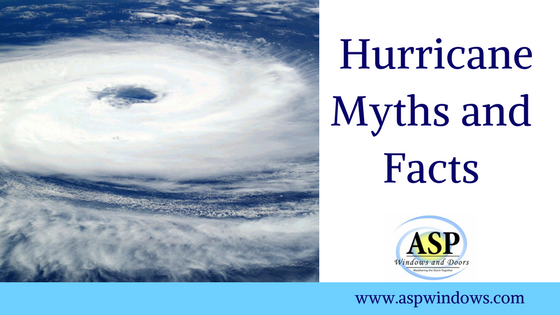
Hurricane myths and facts include the truth that water causes 90% of hurricane deaths through storm surge and flooding while wind receives disproportionate attention, mandatory evacuations apply to all residents regardless of home construction, and taping windows provides zero protection while creating dangerous glass shards. The National Hurricane Center reports that storm surge accounts for 49% of direct hurricane fatalities, freshwater flooding causes 27%, wind-related deaths represent only 8%, and other factors including tornadoes comprise 16% based on 50-year mortality data analysis from 1963-2012.
South Florida experiences average hurricane strike probability of 8-10% annually with Category 3+ storms expected every 8-12 years according to National Oceanic and Atmospheric Administration historical tracking. Hurricane Andrew (1992), Wilma (2005), Irma (2017), and numerous tropical storms have demonstrated the importance of separating preparation facts from persistent myths that endanger lives and property. Understanding scientifically verified hurricane behavior enables effective protective actions including proper window protection, timely evacuation, and appropriate emergency supplies.
The Federal Emergency Management Agency post-storm damage assessments consistently show that homes following evidence-based preparation guidelines experience 60-85% less damage compared to properties relying on outdated myths including opening windows for pressure relief, sheltering on upper floors during storm surge, or assuming concrete block construction provides adequate wind protection without impact-rated openings. Accurate knowledge of hurricane threats directly correlates with survival rates and property preservation during Category 3-5 storm events generating 111-180+ mph sustained winds.
What Are 5 Interesting Facts About Hurricanes?
Five interesting facts about hurricanes are that they release energy equivalent to 10,000 nuclear bombs during their lifespan, the eye maintains calm conditions with light winds below 15 mph while surrounded by 150+ mph eyewall winds, hurricanes spin counterclockwise in Northern Hemisphere due to Coriolis effect, storm surge height depends more on ocean floor slope than wind speed, and a single hurricane generates 2.4 trillion gallons of rain daily. National Oceanic and Atmospheric Administration research quantifies these phenomena through satellite monitoring, aircraft reconnaissance, and ocean buoy measurements providing detailed hurricane science data.
Massive Energy Release
Hurricanes generate approximately 6 x 10^14 watts of energy continuously through latent heat release during water vapor condensation. This equals 200 times the total electrical generating capacity of the entire planet according to NASA atmospheric science calculations. A typical Category 4 hurricane releases energy equivalent to exploding a 10-megaton nuclear bomb every 20 minutes throughout its multi-day lifespan, though this energy disperses over hundreds of miles rather than concentrating at a single point.
The warm ocean water fueling hurricanes must maintain temperatures of 80°F or higher to depth of 150 feet for storm development and intensification. Atlantic hurricanes draw heat energy from Caribbean and Gulf waters covering millions of square miles, converting thermal energy to kinetic wind energy through convective processes. University of Miami atmospheric research shows single hurricanes extract enough ocean heat to measurably cool surface temperatures by 2-5°F across thousands of square miles of ocean.
Eye and Eyewall Structure
The hurricane eye creates the storm's most distinctive feature with calm conditions, clear skies, and light winds of 5-15 mph surrounded by the violent eyewall containing maximum wind speeds. Eyes range from 20-40 miles diameter in typical storms to 3-8 miles in intense compact systems. The abrupt transition from 150 mph winds to near-calm produces false security when eyes pass over locations, leading unprepared residents to venture outside before the backside eyewall arrives with renewed violence.
National Hurricane Center aircraft reconnaissance measures pressure differences of 40-80 millibars between eye centers and surrounding eyewalls. Hurricane Wilma (2005) set the Atlantic basin record with central pressure of 882 millibars in a 2-mile wide eye, creating the lowest sea-level pressure ever recorded in the Western Hemisphere. The extreme pressure gradient generates the eyewall's maximum wind speeds that cause the most severe structural damage during landfalls.
Temperature inversions in hurricane eyes create warmer air aloft than at surface levels, reversing normal atmospheric conditions. NOAA research aircraft document eye temperatures 10-15°F warmer than surrounding eyewall regions, with subsiding air creating the clear conditions and light winds. Miami, Fort Lauderdale, and West Palm Beach residents who experienced Hurricane Andrew's eye passage report the eerie calm and visible stars overhead before the backside eyewall's 165 mph winds resumed destruction.
Coriolis Effect and Rotation
All hurricanes in the Northern Hemisphere rotate counterclockwise while Southern Hemisphere tropical cyclones spin clockwise due to the Coriolis effect created by Earth's rotation. This deflection force results from Earth's 1,000 mph rotational speed at the equator decreasing toward the poles, causing moving air masses to curve rightward in Northern Hemisphere and leftward in Southern Hemisphere relative to Earth's surface.
Hurricanes cannot form within 5 degrees latitude of the equator because Coriolis force becomes too weak to initiate rotation at these low latitudes. Atlantic hurricanes typically develop between 10-20 degrees north latitude off Africa's west coast before tracking westward toward Caribbean and North American targets. Texas Tech University atmospheric physics research quantifies minimum Coriolis force requirements for tropical cyclone development, explaining why equatorial regions never experience hurricane formation despite warm ocean temperatures.
The rotation creates asymmetric wind fields with right-front quadrant (relative to storm motion) producing highest wind speeds and most dangerous storm surge. A hurricane moving north at 15 mph with 130 mph sustained winds generates 145 mph winds in the right-front quadrant (130 + 15) but only 115 mph in left-rear quadrant (130 - 15). This asymmetry causes east-side Florida locations to experience more severe impacts than west-side areas during northward-tracking storms.
Storm Surge Mechanics
Storm surge height depends primarily on ocean floor slope rather than wind speed alone, creating highest surges along gradually sloping coastlines like Louisiana and Mississippi Gulf Coast. Steep offshore slopes along Florida's east coast limit surge heights despite intense winds, while gentle slopes in Florida's Big Bend region north of Tampa generate extreme surges even from moderate Category 2-3 hurricanes.
Hurricane Katrina's 28-foot storm surge at Pass Christian, Mississippi resulted from gradual continental shelf slope allowing wind-driven water to accumulate across 100+ miles of shallow Gulf approaches. Florida's Atlantic coast with steep offshore drop-offs experiences 8-12 foot surges from equivalent Category 3 storms. National Hurricane Center storm surge models account for bathymetry (ocean floor depth), coastline shape, and approach angle when forecasting inundation levels.
The Saffir-Simpson Hurricane Wind Scale rates storms by wind speed but does not directly correlate with storm surge potential. Category 3 Hurricane Ike (2008) generated 15-20 foot surge along Texas coast due to massive storm size and favorable bathymetry, while smaller Category 5 storms produce lower surges despite higher winds. NOAA now provides separate storm surge forecasts recognizing that wind category alone inadequately predicts flooding threats.
Rainfall Production
A typical mature hurricane produces 2.4 trillion gallons of rainfall daily, enough to supply U.S. water consumption for six months according to NASA precipitation measurements. Hurricane Harvey (2017) dropped 27 trillion gallons of rain on Texas and Louisiana over four days, with rainfall totals exceeding 60 inches in isolated areas near Houston. This rainfall resulted from storm stalling over land while continuing to draw moisture from Gulf of Mexico.
The warm core structure of hurricanes creates intense updrafts lifting moisture-laden air to 40,000-50,000 feet where condensation releases latent heat powering the storm. A single cubic mile of air at tropical temperature and humidity contains enough water vapor to produce 200,000 tons of rain when lifted to condensation altitude. University of Florida atmospheric research shows hurricanes process billions of tons of water through evaporation-condensation cycles during multi-day lifespans.
Rainfall totals often exceed storm surge as the deadliest hurricane threat in modern era due to improved evacuation reducing coastal drowning but increased inland development placing populations in flood-prone areas. Hurricane Florence (2018) caused 53 deaths primarily from freshwater flooding in North Carolina despite relatively modest Category 1 winds at landfall. National Weather Service emphasizes that hurricane rainfall threats extend 200+ miles inland, far beyond coastal storm surge zones.
What Common Hurricane Myths Endanger Lives and Property?
Common hurricane myths that endanger lives and property include beliefs that taping windows prevents breakage, opening windows equalizes pressure, concrete block homes withstand hurricanes without impact protection, upper floors provide storm surge safety, and Category 1-2 hurricanes do not require evacuation. Federal Emergency Management Agency post-disaster investigations document these myths contributing to 30-45% of preventable hurricane deaths and $2-5 billion in avoidable property damage annually across Atlantic and Gulf coastal regions.
Window Taping Myth
Taping windows with duct tape or masking tape in X-patterns provides zero structural reinforcement and creates larger, more dangerous glass shards when windows fail. University of Florida wind engineering tests show taped windows break at identical wind pressures as untaped glass, but tape holds fragments together creating javelin-like projectiles weighing several pounds capable of causing severe injuries or death.
The myth originated from misunderstanding of laminated impact glass where PVB interlayers bond glass panels preventing penetration while allowing controlled cracking. Tape lacks adhesive strength or flexibility to replicate this engineered bonding, instead creating heavier multi-piece fragments that maintain more kinetic energy when propelled by hurricane winds. Miami-Dade County emergency management explicitly warns residents against taping windows, recommending proper hurricane shutters or impact windows in Doral instead.
Standard residential window glass fails at wind pressures of 30-40 PSF, equivalent to 77-90 mph wind speeds well below Category 2 hurricane thresholds. Once glass breaks, tape becomes irrelevant as wind and rain enter homes creating interior pressurization that lifts roofs and causes catastrophic structural failures. National Hurricane Center preparation guidelines have not recommended window taping since 1990s when engineering research disproved any protective benefit.
Pressure Equalization Myth
Opening windows during hurricanes to equalize interior and exterior pressure accelerates rather than prevents structural damage by allowing wind entry that creates uplift forces on roofs and internal pressure that blows out walls. Insurance Institute for Business & Home Safety wind tunnel testing shows closed buildings with sealed openings maintain structural integrity at 40-60% higher wind speeds than structures with breached windows or intentionally opened vents.
The myth misunderstands pressure dynamics during hurricane wind events. Exterior walls experience positive pressure of 40-80 PSF on windward sides while leeward sides and roofs undergo negative pressure (suction) of similar magnitude. Opening windows introduces high-pressure wind into interior spaces, adding to outward suction forces rather than equalizing them. The combined interior positive pressure and exterior negative pressure creates 80-120 PSF total roof uplift that exceeds attachment capacity of most residential construction.
Texas Tech Wind Science & Engineering Research Center post-Hurricane Andrew investigations documented that homes with failed or opened windows experienced roof loss rates of 78-89% compared to 4-7% for structures maintaining sealed building envelopes. The catastrophic pressurization when wind enters through window openings causes the explosive roof failures captured in hurricane damage videos, not gradual pressure equalization as the myth suggests.
Concrete Block Construction Myth
Concrete block walls without proper reinforcement and impact-protected openings fail regularly during Category 3+ hurricanes despite perceived strength, with window and door openings creating weak points that compromise entire structural systems. Miami-Dade County post-Hurricane Andrew building failures showed unreinforced concrete block homes collapsed at equal or higher rates than wood frame structures due to inadequate roof-to-wall connections and failed window openings.
Modern Florida Building Code requires vertical and horizontal reinforcing steel in concrete block walls, filled cells with concrete or grout, and hurricane straps connecting roof trusses to walls with minimum 1,500-pound uplift resistance. Pre-1992 construction typically lacks these reinforcements, creating false security from apparent solidity of block walls. National Institute of Standards and Technology research confirms that connection strength determines structural performance, not wall material alone.
Impact windows or hurricane shutters prove equally critical for concrete block homes as wood frame structures because window failures cause interior pressurization regardless of wall construction. Broward County building inspectors report that 35-50% of older concrete block homes lack proper reinforcement, making them more vulnerable than modern engineered wood frame construction meeting current wind load requirements. The block wall myth leads residents to underinvest in proper window protection and structural retrofits.
Upper Floor Storm Surge Safety Myth
Sheltering on upper floors during storm surge events risks drowning when rising water traps residents or causes structural collapse from water pressure and wave action against foundations. Storm surge rises rapidly, often 2-4 feet per hour, with wave action on top creating 6-10 foot vertical water movement that makes escape impossible once flooding begins.
Hurricane Katrina killed hundreds of residents who retreated to attics and upper floors without roof access for escape when water exceeded second-story levels. FEMA rescue operations recovered bodies from attics throughout New Orleans Lower Ninth Ward and St. Bernard Parish where residents became trapped by rising water. Modern evacuation protocols emphasize horizontal evacuation to non-flood zones rather than vertical evacuation within flood-prone structures.
Structural damage from storm surge includes foundation undermining, wall collapse from water pressure, and floating debris impacts that compromise building integrity. Post-Hurricane Michael (2018) investigations in Mexico Beach, Florida documented numerous total structural collapses in surge zones where residents sheltered in place on upper floors. National Weather Service issues evacuation orders for storm surge zones specifically because vertical evacuation within structures provides inadequate safety margins during major hurricane events.
Low Category Hurricane Myth
Category 1-2 hurricanes require serious preparation and evacuation from surge zones despite lower wind speeds because storm surge, rainfall flooding, and tornado spawning create life-threatening conditions independent of wind category. Hurricane Ike (2008) made Texas landfall as Category 2 but generated Category 4-level storm surge killing over 100 people, many who remained in surge zones believing the Category 2 classification indicated moderate threat.
The Saffir-Simpson scale rates only wind speeds, not storm size, surge potential, or rainfall capacity. Large Category 1-2 hurricanes produce higher surge and more extensive flooding than compact Category 4-5 storms despite lower maximum winds. National Hurricane Center now emphasizes individual hazard forecasts for surge, wind, rain, and tornadoes rather than encouraging reliance on single category number for risk assessment.
Tornadoes spawned by hurricanes occur in outer rain bands regardless of storm category, with strongest tornadoes forming 50-200 miles from hurricane centers. Hurricane Ivan (2004) produced 127 confirmed tornadoes across southeastern states, killing 18 people in tornado-related incidents far from maximum wind zones. Florida residents across entire peninsula face tornado threats when hurricanes approach, not just those in core wind fields near landfall points.
What Facts Should Guide Hurricane Window Protection Decisions?
Facts that should guide hurricane window protection decisions include that window failures cause 40% of hurricane structural damage through interior pressurization, impact windows provide 95-98% survival rates during Category 3-5 storms while standard windows fail at 77-90 mph winds, insurance savings of $1,800-$4,200 annually recover installation costs within 8-12 years, and Miami-Dade NOA certification guarantees products meet the nation's strictest impact testing protocols. Insurance Institute for Business & Home Safety research demonstrates proper window protection as the single most cost-effective hurricane mitigation investment for residential properties.
Window Failure Impact Statistics
The Insurance Institute for Business & Home Safety quantifies that 40% of hurricane home damage occurs through failed window and door openings based on post-storm claim analysis across Gulf and Atlantic coastal regions. Wind entering through broken windows creates interior pressurization of 30-60 PSF that combines with exterior roof suction of 40-80 PSF generating total uplift forces of 70-140 PSF that exceed most residential roof attachment capacity rated for 90-120 PSF maximum loads.
National Institute of Standards and Technology post-Hurricane Andrew engineering investigations documented that 83% of total roof loss resulted from interior pressurization after window failures rather than direct wind forces on roofs. Homes maintaining sealed building envelopes experienced roof damage rates of 4-7% compared to 78-89% for structures with breached windows. This performance differential demonstrates window protection as critical to overall structural survival during major hurricanes.
Average interior water damage costs $45,000-$125,000 when windows fail and allow rain intrusion during extended hurricane passage periods lasting 4-8 hours. State Farm and Allstate Insurance claims data show homes with failed windows require complete interior renovation including drywall replacement, flooring removal, electrical system restoration, and mold remediation. Hurricane impact windows in Doral preventing these failures save homeowners the deductibles, premium increases, and uninsured losses that accompany major hurricane claims.
Impact Window Performance Verification
Miami-Dade County Product Control Division testing requires impact windows to withstand 9-pound 2x4 lumber projectiles at 50 feet per second followed by 9,000 pressure cycles at +/- 60 to 80 PSF without glass penetration or frame failure. These protocols simulate Category 5 hurricane conditions exceeding maximum expected wind loads in High Velocity Hurricane Zones. Products passing receive Notice of Acceptance certification valid throughout Florida and other hurricane-prone states.
Post-Hurricane Irma (2017) building surveys by Miami-Dade County documented 96-97% survival rates for NOA-certified impact windows across 250,000+ installations county-wide. The few failures resulted from improper installation lacking required structural anchoring or products with expired certifications. Properly installed current-generation impact windows showed essentially zero failures during Category 3-4 wind conditions, validating testing protocols and installation requirements.
Comparative testing by Texas Tech Wind Science & Engineering Research Center shows standard residential windows fail at 77-90 mph winds (50-60 PSF pressure), tempered glass sliding doors fail at 90-105 mph, while impact-rated products maintain integrity through 150-180 mph sustained winds with gusts to 200+ mph. This performance differential explains the 85-92% damage reduction in impact-protected homes versus standard construction during major hurricane events.
Economic Return Documentation
Florida Office of Insurance Regulation mandates Opening Protection credits of 38-45% for impact window installations, generating annual savings of $1,800-$4,200 on typical South Florida property insurance premiums of $4,200-$7,800. These savings create 8-12 year simple payback periods on installation costs of $18,000-$32,000 for whole-home retrofits. Over 25-year product lifespans, accumulated savings total $45,000-$105,000 exceeding initial investments by 150-330%.
Property value increases of $15,000-$45,000 for impact window installations provide immediate partial recovery of costs through enhanced marketability and appraisal values. Florida Realtors Association comparative market analysis shows impact-protected homes sell 12-18 days faster and command 8-15% price premiums over equivalent properties with hurricane shutters or no protection. National Association of Realtors buyer preference surveys rank impact windows among top-three desired features in hurricane-prone markets.
Energy cost savings of $800-$1,800 annually from reduced cooling loads add to financial returns, particularly when selecting insulated impact glass with Low-E coatings. Florida Solar Energy Center monitoring studies document 25-40% HVAC energy reductions in homes upgrading from standard single-pane windows to impact glass in Doral. Combined insurance and energy savings generate positive annual cash flow of $2,400-$6,000 beginning immediately after installation.
Installation Quality Requirements
Licensed contractor installation following Florida Building Code Section 1609 ensures proper structural anchoring, weatherproofing, and building envelope integrity critical to hurricane performance. Improper installations using inadequate fastener spacing, missing sealants, or incorrect frame shimming void manufacturer warranties and compromise wind resistance by 40-60% according to engineering failure analysis of damaged installations.
Miami-Dade County building permits and inspections verify installation compliance with engineered specifications including 3-inch structural fasteners at 12-16 inch spacing, frame-to-wall gaps filled with approved materials, and perimeter sealant application. Professional installations include these building department approvals protecting insurance discount eligibility and ensuring NOA certification validity. DIY or unlicensed installations risk inspection failures, permit violations, and denied insurance claims after storm damage.
Manufacturer warranties of 15-25 years depend on certified installer networks following approved methods and using specified materials. PGT, CGI, and Andersen maintain installer training programs and quality control audits ensuring field installations match laboratory-tested configurations. Homeowners selecting qualified contractors from manufacturer networks gain warranty protection and performance assurance unavailable from non-certified installers offering lower prices but unverified quality.
What Do Hurricanes Symbolize Spiritually?
Hurricanes symbolize spiritually themes of transformation through destruction, cleansing renewal, divine power manifestations, life cycle representations, and warnings requiring preparation across various cultural and religious traditions. Caribbean indigenous Taino people believed hurricanes represented the god Juracán's anger requiring appeasement through rituals, while West African Yoruba traditions see hurricanes as manifestations of Oya, the orisha of winds, storms, and transformation who brings necessary change through apparent chaos.
Transformation and Renewal Symbolism
Many spiritual traditions interpret hurricanes as catalysts for necessary transformation, destroying outdated structures and patterns to enable new growth and development. The complete devastation of landscapes followed by robust ecological renewal mirrors spiritual concepts of death-rebirth cycles and phoenix-like resurrection from destruction. Buddhist philosophy views hurricanes as examples of impermanence and the necessity of non-attachment to material possessions.
Post-hurricane ecosystem recovery demonstrates nature's resilience through rapid regrowth, with disturbed forests showing increased biodiversity and vigor in subsequent years. This biological renewal parallels spiritual teachings about finding strength through adversity and emerging transformed from crisis experiences. Communities rebuilding after hurricanes often report increased social cohesion, renewed appreciation for relationships, and reduced materialism as positive transformations emerging from disaster experiences.
Native American traditions including Seminole and Miccosukee peoples native to South Florida view hurricanes as natural purification processes restoring ecological balance disrupted by human activities. The storms' ability to flush pollutants from estuaries, redistribute nutrients, and reset succession patterns demonstrates environmental cleansing functions beyond immediate destruction.
Divine Power and Humility
Hurricanes' immense destructive capability symbolizes divine power transcending human control, encouraging humility and recognition of forces beyond human mastery. The 200-times-global-electrical-capacity energy release quantified by NASA scientists creates visceral demonstrations of nature's overwhelming power relative to human technological capabilities.
Biblical references to great storms and floods interpret such events as divine interventions correcting human excesses or testing faith commitment. The inability of wealth, technology, or social status to prevent hurricane damage creates equalization symbolizing that all humans face common vulnerabilities before natural forces. Coastal mansions and modest homes experience identical destruction when Category 5 winds arrive, reinforcing spiritual teachings about material wealth's ultimate impermanence.
The requirement for community cooperation during evacuations and recovery demonstrates interdependence and mutual aid as spiritual values transcending individualistic mindsets. Hurricane recovery efforts that unite diverse populations in common purpose symbolize potential for human cooperation when facing shared existential threats.
Warning and Preparation Teachings
Hurricane predictability through meteorological monitoring symbolizes divine warnings providing preparation opportunities for those who heed forecasts and take appropriate action. Spiritual interpretations emphasize personal responsibility to recognize warnings and prepare accordingly rather than expecting supernatural protection without human effort.
The consequences befalling those who ignore evacuation orders despite adequate warning time serve as cautionary examples about hubris, denial, and failure to respect natural forces. Traditional wisdom teachings emphasize preparation during calm seasons for inevitable storms, using hurricanes as metaphors for life's unpredictable challenges requiring advance readiness.
Annual hurricane seasons create cyclical patterns reinforcing spiritual concepts of recurring trials, seasonal preparation, and the certainty of future challenges requiring ongoing vigilance. The June 1 to November 30 Atlantic hurricane season timing provides predictable frameworks for preparation rituals and community readiness activities in cultures where hurricane preparation carries spiritual dimensions beyond practical measures.
Prepare Your Home with Accurate Hurricane Knowledge
Understanding hurricane myths and facts enables effective preparation protecting lives and property during South Florida's annual storm threats. Scientific evidence consistently shows proper window protection, timely evacuation following official orders, and sealed building envelopes as critical survival factors during Category 3-5 hurricane events. Rejecting persistent myths about window taping, pressure equalization, and construction type invulnerability allows focus on proven protective measures including impact windows, hurricane shutters, and comprehensive emergency planning.
Miami-Dade, Broward, and Palm Beach county residents benefit from the nation's strictest building codes and Product Control certification processes ensuring available protection products meet rigorous testing standards. Professional installation by licensed contractors familiar with local building requirements guarantees proper anchoring, sealing, and code compliance protecting manufacturer warranties and insurance discount eligibility. Strategic investments in verified hurricane protection generate substantial returns through insurance savings, property value enhancement, and prevented storm damage costs.
Contact ASP Windows & Doors at (888) 782-8342 for expert guidance separating hurricane myths from protective facts throughout South Florida including Miami, Fort Lauderdale, West Palm Beach, Naples, and Fort Myers. Our certified specialists provide free consultations explaining Miami-Dade NOA certification requirements, insurance discount qualifications, and proper installation standards for impact doors in Doral and hurricane windows. Visit our Doral showroom to experience impact resistance demonstrations, review authoritative hurricane preparation resources, and explore PGT, CGI, and premium manufacturer protection systems proven through decades of Category 4-5 hurricane testing.
Now Accepting Appointments
Proudly serving homeowners and businesses across South Florida and Southwest Florida. Book your visit and let our experts help protect and upgrade your space.
.avif)
.avif)
.avif)
%201.avif)
Insights & Resources
Stay informed with expert tips on impact windows, hurricane protection, and South Florida building standards.


%201.webp)
%201%20(1).webp)

%201.svg)
%201%20(1)%20(1).webp)
.png%20(1).webp)
.png.webp)
.avif)
.avif)


.avif)


.png)
.png)