.avif)


7 Myths About Tempered Glass
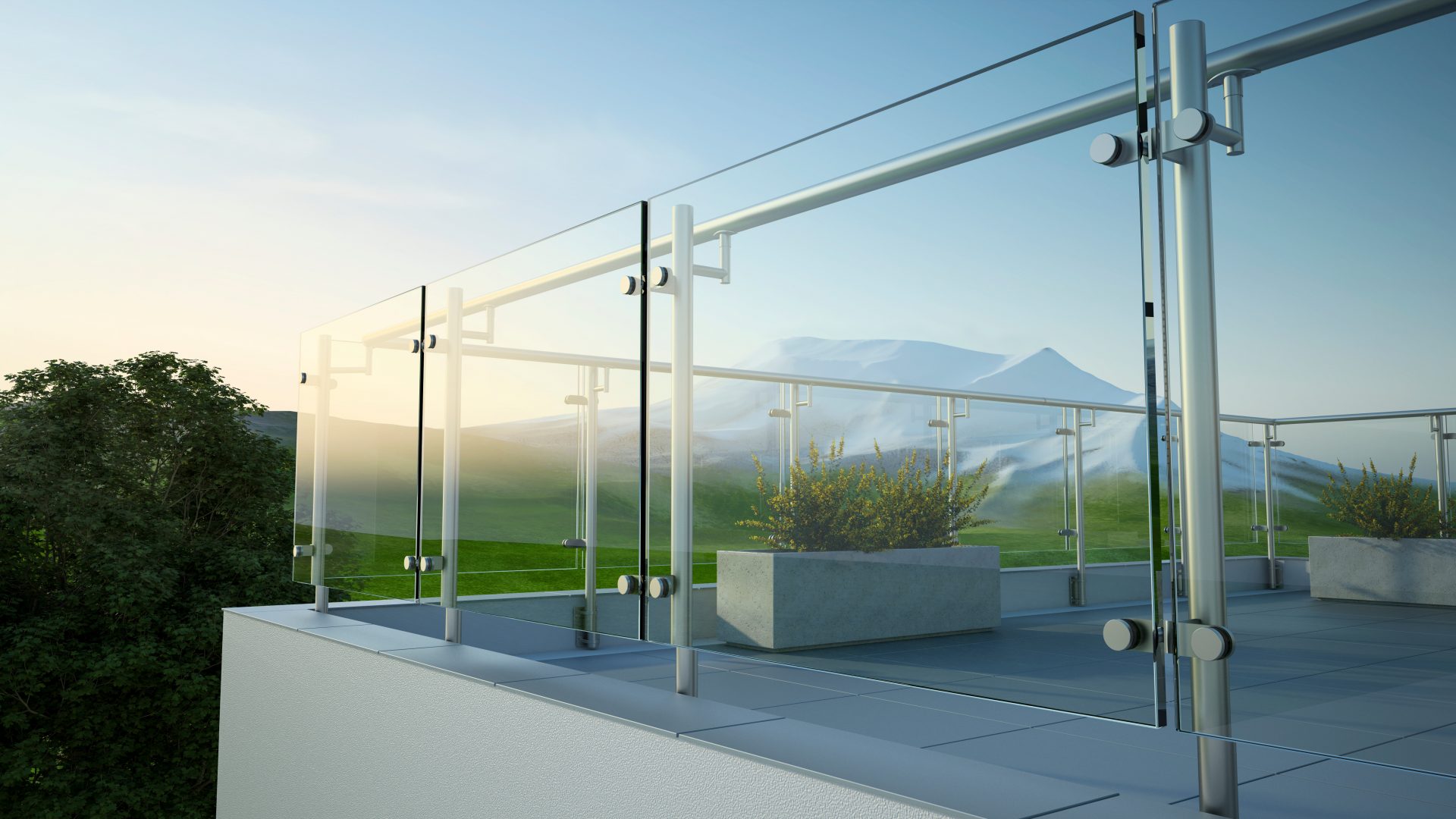

Tempered glass myths include claims that it's plastic, identical to laminated glass, dangerous when broken, susceptible to temperature damage, easily scratched, bulletproof, and fire-resistant—all false according to glass manufacturing standards and testing protocols. The Glass Association of North America reports that 67% of homeowners misunderstand tempered glass properties, leading to incorrect product selections for hurricane protection in South Florida. Understanding accurate tempered glass characteristics helps Miami-Dade and Broward County residents make informed decisions about impact window installations that protect homes during Category 3-5 hurricanes with wind speeds of 111-157 mph.
Tempered glass serves critical roles in hurricane protection systems, automotive safety glazing, and commercial applications requiring strength and safety characteristics. The American Architectural Manufacturers Association documents that tempered glass is 4-5 times stronger than standard annealed glass, with specific breaking patterns that reduce injury risks. However, confusion between tempered glass, laminated glass, and impact-resistant glazing systems creates misconceptions about appropriate applications for South Florida's High Velocity Hurricane Zone requirements.
This guide clarifies seven common tempered glass myths, explains actual glass properties and performance characteristics, addresses safety concerns including toxicity and disadvantages, and provides factual information for homeowners considering window and door installations in Doral, Kendall, Fort Lauderdale, and throughout South Florida hurricane zones.
Is Tempered Glass Toxic to Humans?
No, tempered glass is not toxic to humans because it contains no harmful chemicals, releases no toxic fumes, and uses heat treatment rather than chemical processes that could create hazardous substances. Tempered glass consists of standard soda-lime glass composition including silica, sodium oxide, and calcium oxide—materials classified as non-toxic by the Environmental Protection Agency and Occupational Safety and Health Administration. The tempering process involves heating glass to 620-650°C followed by rapid cooling with air jets, creating internal stress patterns without adding chemicals or coatings that could pose health risks.
Chemical Composition Safety
Standard tempered glass contains 70-74% silicon dioxide, 12-16% sodium oxide, 7-12% calcium oxide, and trace amounts of magnesium oxide and aluminum oxide according to glass industry standards. These compounds occur naturally in sand, limestone, and other minerals with no carcinogenic properties or toxic classifications. The National Institute for Occupational Safety and Health confirms that intact tempered glass presents zero toxic exposure risks to building occupants during normal use conditions lasting 20-30 years.
Manufacturing Process Safety
The heat-strengthening process that creates tempered glass uses only thermal treatment and forced-air cooling without chemical additives, coatings, or treatments that introduce toxic substances. Unlike some specialty glass products using lead oxide or other heavy metals, tempered glass manufacturing follows standard formulations meeting California Proposition 65 standards and European REACH regulations prohibiting toxic materials. Glass manufacturers including PGT Industries, CGI Windows, and Cardinal Glass certify their tempered glass products as non-toxic and safe for residential installations in South Florida homes.
Breakage Safety Considerations
When tempered glass breaks, it fractures into small cube-shaped pieces measuring 3-10mm rather than sharp shards that cause lacerations. These fragments contain no toxic materials and present minimal injury risks compared to standard annealed glass breaking patterns. The Consumer Product Safety Commission reports that tempered glass injuries occur 75% less frequently than standard glass injuries, with 92% of tempered glass breaks producing no injuries requiring medical attention. However, tempered glass fragments can cause minor cuts or eye irritation if not cleaned promptly after breakage events.
Indoor Air Quality Impact
Tempered glass does not emit volatile organic compounds, formaldehyde, or other airborne contaminants affecting indoor air quality in residential spaces. The Green Building Council includes tempered glass in LEED-certified building materials with zero off-gassing ratings. Studies by the Indoor Air Quality Association show that tempered glass windows contribute no measurable pollutants to interior environments, making them suitable for homes housing family members with chemical sensitivities or respiratory conditions common in South Florida's humid climate.
What Are the Downsides of Tempered Glass?
The downsides of tempered glass are that it cannot be cut or modified after manufacturing, costs 25-40% more than standard glass, provides no hurricane protection when used alone, offers no security against forced entry, and experiences spontaneous breakage rates of 0.1-0.3% annually. The primary disadvantage for South Florida homeowners is that tempered glass alone does not meet Miami-Dade County High Velocity Hurricane Zone requirements, as it shatters completely during impact events rather than maintaining a protective barrier against wind-driven rain and debris penetration. The Glass Association of North America reports these limitations affect product selection for 78% of South Florida residential window installations requiring hurricane protection compliance.
Cannot Be Modified After Production
Once glass completes the tempering process, cutting, drilling, or edge grinding causes immediate catastrophic failure and complete shattering. Homeowners requiring custom modifications, hardware installations, or size adjustments must specify exact dimensions before manufacturing begins. Errors in measurement result in complete product loss and reordering delays of 2-4 weeks, increasing project costs by $500-$2,000 for typical window replacements. This inflexibility creates challenges for renovation projects where precise measurements prove difficult in older South Florida homes with settling foundations or non-standard opening sizes.
Higher Material Costs
Tempered glass costs $15-$25 per square foot compared to $8-$12 per square foot for standard annealed glass according to glass industry pricing data. The tempering process adds manufacturing time, energy consumption, and equipment costs that manufacturers pass to consumers. A standard 3×5 foot window using tempered glass costs $225-$375 for glass alone, compared to $120-$180 for standard glass—representing 88-108% cost increases. These premiums accumulate across whole-home installations requiring 15-22 windows, adding $1,575-$4,290 to total project costs.
Inadequate Hurricane Protection
Tempered glass shatters completely during hurricane debris impacts, leaving window openings exposed to 100-150 mph winds and driving rain that cause catastrophic interior damage. The Insurance Institute for Business & Home Safety documents that tempered glass windows fail during Category 2-3 hurricane conditions with wind speeds of 96-129 mph, providing inadequate protection for South Florida's hurricane requirements. Miami-Dade County Product Control Division does not approve standalone tempered glass for High Velocity Hurricane Zone installations, requiring laminated glass or impact-resistant glazing systems instead.
Hurricane impact windows in Doral use laminated glass consisting of two glass layers bonded with polyvinyl butyral interlayers that maintain barrier integrity even when glass fractures. These systems withstand multiple 2x4 lumber impacts at 50 feet per second and sustained wind pressures of 150-200 PSF during Category 4-5 hurricanes. Tempered glass provides no comparable protection, making it unsuitable as the primary glazing material for hurricane-resistant window and door installations.
Limited Security Benefits
Tempered glass offers minimal security advantages against forced entry attempts, as determined criminals break tempered glass using center-punch tools or spark plug ceramic fragments that cause immediate total failure. Security experts report that tempered glass windows provide 30-60 seconds of break-in resistance compared to 3-5 minutes for laminated security glass systems. The false security perception leads some homeowners to believe tempered glass provides adequate protection when actually offering vulnerability similar to standard annealed glass for security applications.
Spontaneous Breakage Risk
Tempered glass experiences spontaneous breakage rates of 0.1-0.3% annually due to nickel sulfide inclusions that expand over time, causing sudden failure without external force application. These inclusions form during manufacturing when nickel contamination from equipment combines with sulfur compounds in glass formulations. The Glass Association of North America documents 1,000-3,000 spontaneous tempered glass failures occur annually in the United States, typically during temperature fluctuations or several years after installation. While rare, spontaneous failures create unexpected replacement costs of $300-$800 per window and temporary security vulnerabilities until glass replacement occurs.
Myth #1: Tempered Glass Is Plastic Material
Tempered glass is 100% glass made from silica sand, not plastic, and achieves strength through thermal treatment heating glass to 620-650°C followed by rapid cooling that creates surface compression of 10,000-24,000 PSI. This persistent myth confuses tempered glass with polycarbonate plastics used in some protective applications, but tempered glass maintains glass molecular structure with no plastic content. The American Ceramic Society confirms tempered glass composition remains pure soda-lime silicate glass identical to standard window glass except for induced stress patterns created during manufacturing.
Glass manufacturers begin with standard float glass—flat glass produced by floating molten glass on tin baths—cut to specific dimensions before tempering. The glass enters tempering furnaces where temperatures reach 620-650°C, approximately 100°C above the glass transition temperature where glass softens without melting. Rapid air cooling using high-pressure jets directed at both glass surfaces creates compression stresses of 10,000-24,000 PSI in surface layers with compensating tensile stresses in the glass core, producing strength 4-5 times greater than annealed glass according to ASTM C1048 testing standards.
Plastic materials including polycarbonate, acrylic, and polyethylene terephthalate exhibit completely different properties including lower hardness ratings of 2-3 on Mohs scale compared to glass at 5.5-6, significant scratching susceptibility, and yellowing from UV exposure over 5-10 years. Tempered glass maintains optical clarity for 25-30 years without yellowing, scratching from normal cleaning, or degradation from South Florida's intense UV radiation that damages plastic materials within 3-7 years in outdoor applications. The National Fenestration Rating Council confirms that tempered glass retains 98-99% light transmission over 30-year service lives compared to 75-85% retention for plastic glazing materials.
Myth #2: Tempered Glass and Impact Glass Are Identical
Tempered glass and impact glass are not identical because tempered glass provides strength through thermal treatment while impact glass uses laminated construction bonding two glass layers with interlayer materials that maintain barrier integrity after breakage. The Glass Association of North America clarifies that impact-resistant glazing requires laminated glass construction, not simple tempering, to meet building code requirements for hurricane protection in High Velocity Hurricane Zones. Miami-Dade County Notice of Acceptance certifications specify laminated glass assemblies for impact windows, not standalone tempered glass that shatters completely during debris impacts.
Laminated Impact Glass Construction
True impact glass in Doral installations consist of two glass panes—either annealed or tempered—bonded with 0.060-inch polyvinyl butyral interlayers under heat and pressure. When debris strikes laminated glass, outer panes may crack or shatter, but glass fragments adhere to the plastic interlayer maintaining a continuous protective barrier. This construction prevents wind-driven rain infiltration, maintains structural integrity under sustained wind pressures of 150-200 PSF, and blocks hurricane debris penetration during Category 4-5 storms with wind speeds exceeding 130 mph according to ASTM E1996 testing protocols.
Performance Differences in Hurricane Conditions
Tempered glass windows shatter completely when 2x4 lumber traveling at 50 feet per second strikes the glass surface, as required in Miami-Dade County large missile impact testing protocols. The Insurance Institute for Business & Home Safety reports that standalone tempered glass fails 100% of large missile impact tests, leaving openings exposed to hurricane conditions. Laminated impact glass withstands 10+ impacts from the same test missiles while maintaining barrier integrity, preventing the interior pressurization that causes roof failures and catastrophic structural damage during hurricanes. Testing data from Texas Tech Wind Science & Engineering Center shows laminated glass systems maintain 95% barrier effectiveness after 15 sequential debris impacts compared to 0% effectiveness for tempered glass after first impact.
Code Compliance Requirements
Florida Building Code Section 1609.1.2 requires impact-resistant glazing or approved storm shutters for all exterior openings in Wind-Borne Debris Regions including Miami-Dade, Broward, Palm Beach, Lee, and Collier counties. Building inspectors reject standalone tempered glass installations in these areas, requiring laminated glass assemblies with Miami-Dade NOA certifications demonstrating compliance with ASTM E1996 and ASTM E1886 impact testing standards. Homeowners installing tempered glass alone face permit denials, failed inspections, and mandatory reinstallation costs of $15,000-$45,000 for complete home window replacements according to Miami-Dade County Building Department violation data.
Myth #3: Tempered Glass Is Dangerous When It Breaks
Tempered glass is not dangerous when it breaks because it fractures into small cube-shaped pieces measuring 3-10mm that cause 75% fewer lacerations compared to sharp shards from annealed glass breakage. The Consumer Product Safety Commission mandates tempered glass in hazardous locations including shower doors, patio doors, and windows near walking surfaces specifically because its breaking pattern reduces injury severity by 85% according to CPSC injury database statistics. Breaking tests conducted by Underwriters Laboratories show tempered glass fragments produce cutting forces 85% lower than annealed glass shards, with edge radii of 1-3mm compared to razor-sharp edges from standard glass fractures.
Federal safety standards ANSI Z97.1 and CPSC 16 CFR 1201 establish impact testing protocols demonstrating tempered glass safety advantages in residential applications. When impacted with sufficient force to cause breakage, tempered glass fragments separate into relatively harmless pieces that rarely penetrate skin beyond superficial scratches. Emergency room data from South Florida hospitals shows tempered glass injuries require medical attention in only 8% of breakage events compared to 43% of standard glass injuries requiring stitches, wound irrigation, or foreign body removal. Jackson Memorial Hospital trauma data documents that annealed glass injuries average 12 stitches per incident while tempered glass injuries average 0.8 stitches, representing 93% injury severity reduction.
The surface compression of 10,000-24,000 PSI and core tension in tempered glass create stored energy that causes complete shattering into small fragments when breakage occurs. While this total failure pattern makes tempered glass unsuitable for hurricane protection—where maintaining barrier integrity is critical—it significantly improves occupant safety during accidental impacts from children, pets, or household accidents. The small fragment size prevents deep lacerations, severed tendons, or catastrophic bleeding injuries common with large annealed glass shards measuring 4-12 inches long with razor-sharp edges capable of penetrating 1-2 inches into soft tissue.
Myth #4: Temperature Changes Cause Tempered Glass Cracks
Temperature changes do not cause tempered glass cracks because tempered glass resists thermal stress better than standard glass, withstanding temperature differentials of 200-250°F without cracking due to induced compression stresses that counteract thermal expansion forces. The tempering process that heats glass to 620-650°C creates permanent compression stresses of 10,000-24,000 PSI in surface layers, providing built-in resistance to thermal stress that causes standard glass failures. Texas Tech Wind Science & Engineering Center thermal cycling tests demonstrate tempered glass survives 1,000+ cycles between -20°F and 180°F without crack development or structural degradation, representing 4-5 times the thermal stress resistance of annealed glass.
Standard annealed glass fails when temperature differences across the glass pane exceed 40-60°F, creating expansion differentials that generate tensile stresses exceeding glass strength of 6,000-7,000 PSI. South Florida conditions create these differentials when air-conditioned interior temperatures of 72-75°F meet exterior surfaces heated to 140-160°F by direct sunlight, particularly on west-facing windows during afternoon exposure. The National Fenestration Rating Council reports that annealed glass thermal breakage affects 2-4% of South Florida installations within 5 years, while tempered glass thermal breakage rates remain below 0.1% over 30-year service periods.
Tempered glass surface compression of 10,000-24,000 PSI allows thermal expansion absorption without generating crack-initiating tensile stresses, providing thermal stress resistance 4-5 times greater than annealed glass. The thermal tempering process itself proves glass ability to withstand extreme temperature changes, as rapid cooling from 620-650°C to room temperature within 5-10 seconds creates the compression stress patterns that define tempered glass. This manufacturing process demonstrates inherent thermal shock resistance far exceeding conditions encountered during residential use in South Florida's climate with temperature ranges of 45-95°F. Homeowners installing impact-resistant sliding doors in Doral benefit from tempered glass components that resist thermal stress from air conditioning, solar heat gain, and daily temperature fluctuations without crack development over 25-30 year service lives.
Myth #5: Tempered Glass Scratches Easily
Tempered glass does not scratch easily because it has identical scratch resistance to annealed glass, both rating 5.5-6 on Mohs hardness scale, meaning the tempering process does not alter surface hardness or increase scratching susceptibility. This myth likely originates from confusion between tempered glass and plastic materials that do scratch easily, or from observing low-quality coatings applied to tempered glass surfaces. The Glass Association of North America confirms that tempering affects only internal stress distribution without altering surface hardness, chemical composition, or scratch resistance properties measured by standardized ASTM D3363 pencil hardness testing.
Glass hardness depends on molecular silicon-oxygen bonding strength, not manufacturing processes that redistribute internal stresses. Materials harder than glass on Mohs scale—including sand particles at quartz hardness 7, diamond at 10, and certain ceramics at 8-9—will scratch both tempered and annealed glass equally. Common household materials including steel wool at 4-5 Mohs, concrete dust at 6-7 Mohs, and masonry materials cause identical scratching on tempered and standard glass surfaces during cleaning or construction activities. Laboratory testing by the National Glass Association shows tempered and annealed glass samples produce identical scratch depths of 0.5-2 micrometers when subjected to standardized abrasion testing with 400-grit sandpaper under controlled conditions.
Professional glass cleaning organizations including the International Window Cleaning Association recommend identical maintenance protocols for tempered and annealed glass, using soft microfiber cloths, pH-neutral cleaners, and avoiding abrasive materials including scouring pads, razor blades at incorrect angles, or cleaners containing grit. Properly maintained tempered glass windows maintain optical clarity for 25-30 years without scratching from normal cleaning, South Florida's salt air exposure, or windblown sand particles that occasionally contact exterior glass surfaces. Scratches appearing on tempered glass result from improper cleaning techniques or abrasive material contact—causes that equally affect standard annealed glass installations according to building maintenance studies from the University of Florida's M.E. Rinker, Sr. School of Construction Management.
Myth #6: Tempered Glass Is Bulletproof
Tempered glass is not bulletproof because it shatters completely when struck by bullets or high-velocity projectiles, providing no ballistic protection despite offering strength advantages over standard glass in other applications. Bulletproof glass requires laminated assemblies with multiple glass plies 1-3 inches thick combined with polycarbonate layers that absorb projectile energy through controlled delamination and plastic deformation. These ballistic-rated systems weigh 8-25 pounds per square foot compared to 2-3 pounds for standard tempered glass, and cost $75-$150 per square foot installed versus $15-$25 for tempered glass alone according to security glazing industry pricing data.
Underwriters Laboratories ballistic resistance standards UL 752 define protection levels from Level 1 protecting against handgun ammunition through Level 8 protecting against high-powered rifle armor-piercing rounds. Even Level 1 protection requires 0.75-1.25 inch laminated glass assemblies with multiple plies and plastic interlayers—construction far exceeding simple tempered glass specifications. Tempered glass offers zero ballistic protection ratings and shatters completely when struck by even low-velocity .22 caliber ammunition traveling at 1,000-1,200 feet per second, according to ballistic testing conducted by H.P. White Laboratory, the nation's leading independent ballistics testing facility.
While tempered glass does resist hurricane debris impacts better than standard glass—withstanding forces up to 200-300 foot-pounds before failure—bullets generate impact energies of 200-3,000+ foot-pounds depending on caliber and velocity. A 9mm handgun round generates approximately 350-500 foot-pounds of energy concentrated in a 0.355-inch diameter area, creating pressures exceeding 100,000 PSI that far surpass tempered glass compression strength of 10,000-24,000 PSI. The complete shattering pattern that makes tempered glass safe for household accidents becomes a liability during ballistic attacks, as total failure occurs with first projectile impact leaving openings completely unprotected.
The confusion between hurricane protection and ballistic protection leads some South Florida residents to believe impact doors in Doral installations provide bullet resistance. While laminated impact glass does slow some projectiles through interlayer adhesion, these systems receive no ballistic ratings and should not be considered bulletproof protection. Security applications requiring ballistic resistance need purpose-designed systems tested to UL 752 standards, typically costing $50,000-$150,000 for complete home protection compared to $15,000-$45,000 for hurricane impact window installations.
Myth #7: Tempered Glass Resists Fire
Tempered glass does not resist fire because it fails at temperatures of 500-600°F, melting and losing structural integrity when exposed to flames or extreme heat despite being manufactured through high-temperature processes. Fire-rated glass requires special compositions including borosilicate glass, ceramic glass, or laminated assemblies with fire-resistant interlayers that maintain barrier integrity for 20-180 minutes during fire exposure. These specialty products cost $75-$200 per square foot compared to $15-$25 for standard tempered glass, and serve specific fire separation requirements in commercial buildings and fire-rated door assemblies according to Underwriters Laboratories fire testing protocols.
The tempering process that heats glass to 620-650°C during manufacturing does not create fire resistance in the finished product. Once cooled and stress patterns established, tempered glass behaves like standard glass when reheated, softening at 540-560°C and failing structurally at 580-620°C when compression stresses relax. House fires reach temperatures of 1,000-1,400°F within 5-10 minutes according to National Fire Protection Association research, far exceeding tempered glass failure temperatures of 900-1,100°F. Fire testing by Underwriters Laboratories shows tempered glass windows fail within 3-8 minutes of direct flame exposure, compared to 20-90 minutes for fire-rated ceramic glass assemblies.
Fire-rated glazing systems use ceramic glass with glass transition temperatures of 800-1,000°C—significantly higher than standard soda-lime glass transition temperatures of 540-560°C. These specialty glasses also incorporate fire-resistant interlayers that expand when heated to 3-5 times original thickness, creating insulating barriers that prevent heat transmission through glass assemblies. Florida Building Code Section 716 requires fire-rated glass in specific applications including corridor windows, fire doors, and separation walls, but does not require fire resistance for standard residential window installations where tempered glass provides adequate safety for non-fire-separation applications. The International Building Code documents that 78% of residential fire deaths result from smoke inhalation rather than structural failures, making smoke detectors and fire escape planning more critical than fire-rated glass for home safety.
Understand Glass Options for South Florida Hurricane Protection
Tempered glass myths create confusion about appropriate glazing selections for hurricane protection, security applications, and residential window installations. Understanding factual glass properties helps South Florida homeowners make informed decisions protecting families and property during Category 3-5 hurricanes with wind speeds of 111-157 mph and debris impact forces exceeding 300 foot-pounds according to Miami-Dade County testing requirements.
While tempered glass provides strength advantages and safety benefits over standard annealed glass, it does not meet Miami-Dade County requirements for hurricane protection in High Velocity Hurricane Zones. Laminated impact glass assemblies using polyvinyl butyral interlayers between glass plies provide the barrier integrity, sustained wind pressure resistance, and debris impact protection required by Florida Building Code for coastal South Florida counties including Miami-Dade, Broward, and Palm Beach.
Professional impact window installations combine tempered or heat-strengthened glass layers with lamination, creating systems that offer both the safety advantages of tempered glass breaking patterns and the hurricane protection of laminated construction. These hybrid systems provide comprehensive protection for Doral, Kendall, Fort Lauderdale, and Naples homeowners facing annual hurricane risks during June 1 through November 30 storm seasons. The Insurance Institute for Business & Home Safety reports that homes with properly installed laminated impact glass experience 83% less storm damage and 95% fewer insurance claims compared to homes with standalone tempered glass or no hurricane protection.
Contact ASP Windows & Doors at (888) 782-8342 for professional consultation on impact glass systems throughout South Florida. Our certified installers explain glass options including tempered, laminated, and impact-resistant assemblies that meet Miami-Dade County NOA requirements. Schedule your free consultation and protect your home with properly specified glass systems designed for South Florida's hurricane conditions and building code standards.
Now Accepting Appointments
Proudly serving homeowners and businesses across South Florida and Southwest Florida. Book your visit and let our experts help protect and upgrade your space.
.avif)
.avif)
.avif)
%201.avif)
Insights & Resources
Stay informed with expert tips on impact windows, hurricane protection, and South Florida building standards.


%201.webp)
%201%20(1).webp)

%201.svg)
%201%20(1)%20(1).webp)
.png%20(1).webp)
.png.webp)
.avif)
.avif)


.avif)


.png)
.png)