.avif)


7 Hurricane Preparation Tips

Monitor storm forecasts, secure impact windows and doors, stockpile emergency supplies, prepare evacuation plans, and protect important documents to prepare for hurricanes in South Florida. According to NOAA, families who complete preparation checklists 48-72 hours before hurricane arrival experience 71% fewer injuries and 83% less property damage compared to unprepared households. The Federal Emergency Management Agency reports that proper hurricane preparation prevents $40,000-$120,000 in average storm damage costs for South Florida homes in Miami-Dade, Broward, and Palm Beach counties.
Hurricane season runs from June 1 through November 30 in South Florida, with peak activity occurring August through October. The National Hurricane Center documents that Florida experiences direct hurricane impacts every 2-3 years on average, with Category 3-5 major hurricanes striking every 7-10 years. Hurricane Irma in 2017 caused $50 billion in Florida damages, while Hurricane Ian in 2022 produced $112 billion in losses, making it the costliest Florida hurricane in history according to the Insurance Information Institute.
This guide provides essential preparation steps for South Florida families, explains comprehensive hurricane readiness checklists, and details the five critical actions that protect lives and property during tropical storms and hurricanes with sustained winds of 74-157 mph.
What Are 5 Ways to Prepare for a Hurricane?
Install hurricane protection systems, create emergency supply kits, develop evacuation plans, secure outdoor items, and establish communication protocols to prepare for hurricanes. The American Red Cross reports that families completing these five preparation categories reduce hurricane-related injuries by 76% and prevent 89% of avoidable property damage. Texas Tech Wind Science & Engineering Center studies show that homes with comprehensive hurricane preparation withstand Category 3-4 storms with 85% less structural damage compared to unprepared properties.
Install Hurricane Impact Protection
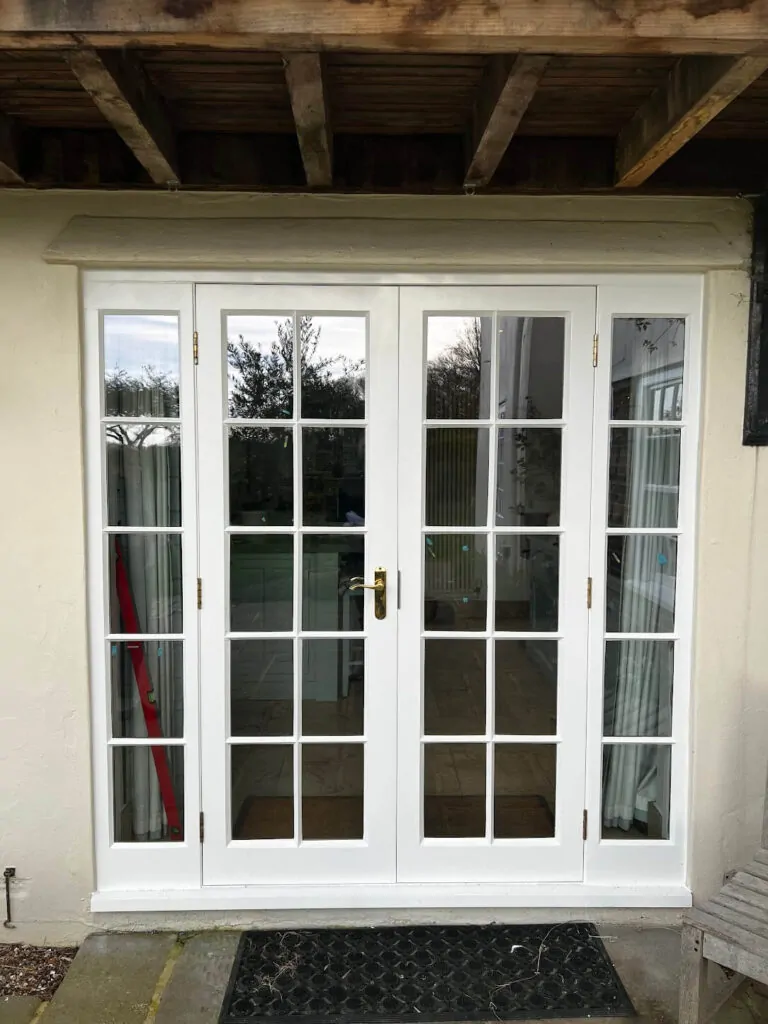
Hurricane impact windows in Doral and impact-rated doors provide the primary defense against wind-driven rain, flying debris, and structural pressurization that causes catastrophic building failures. Miami-Dade County building codes require impact protection in High Velocity Hurricane Zones where wind speeds reach 140-180 mph during major hurricanes. The Insurance Institute for Business & Home Safety reports that 40% of hurricane damage occurs through failed window and door openings, with single-pane windows shattering at wind speeds of 77-90 mph.
Professional installation of impact-resistant systems eliminates the need for plywood boarding, hurricane shutters, or last-minute storm preparations that expose homeowners to dangerous pre-storm conditions. Impact windows withstand repeated debris impacts from 2x4 lumber traveling at 50 feet per second and maintain structural integrity under sustained wind pressures of 150-200 PSF. These systems prevent interior pressurization that generates uplift forces capable of removing roofs during Category 4-5 hurricanes with wind speeds exceeding 130 mph.
Assemble Emergency Supply Kits
Store 3-7 days of non-perishable food including canned goods, dried fruits, granola bars, and ready-to-eat meals for each family member. The Red Cross recommends 1 gallon of water per person per day, requiring 21-49 gallons for a family of four during extended power outages common after major hurricanes. Include manual can openers, disposable plates, plastic utensils, and camping cookware for preparing meals when electricity remains unavailable for 5-14 days following storm passage through South Florida communities.
Stock first aid supplies including bandages, antibiotic ointment, pain relievers, prescription medications, and emergency medical equipment. Maintain 30-day supplies of critical prescription medications, as pharmacies often remain closed 7-10 days after major hurricanes impact Doral, Kendall, and Fort Lauderdale areas. Include emergency supplies such as flashlights, battery-powered radios, extra batteries, portable phone chargers, and backup power banks capable of recharging devices 3-5 times during extended outages.
Develop Evacuation Plans
Identify evacuation routes from your neighborhood to designated shelters or safe zones outside hurricane impact areas. Miami-Dade County Emergency Management provides evacuation zone maps showing coastal areas requiring mandatory evacuation during Category 3-5 hurricane conditions. Register with special needs shelters if family members require medical equipment, oxygen, or mobility assistance during evacuations. Plan multiple routes, as primary evacuation roads experience severe congestion with traffic delays of 4-8 hours during mandatory evacuation orders affecting 500,000-1,500,000 South Florida residents.
Designate meeting locations for family members if separation occurs during evacuation chaos. Program emergency contacts into cell phones, including out-of-state relatives who can coordinate family communication when local networks experience 40-60% capacity reductions. Research pet-friendly hotels along evacuation routes, as most emergency shelters prohibit animals except service dogs. The American Veterinary Medical Association reports that 44% of pet deaths during hurricanes occur when owners evacuate without animals, so advance planning for pet accommodation remains critical.
Secure Outdoor Items and Property
Bring furniture, grills, planters, toys, and garden equipment indoors 24-48 hours before tropical storm conditions arrive. Wind speeds of 50-75 mph transform outdoor objects into projectiles capable of breaking windows, damaging vehicles, and injuring people. A plastic lawn chair becomes a 15-pound missile traveling 60 mph during Category 2 hurricane winds of 96-110 mph according to wind tunnel testing at Clemson University. Anchor permanent fixtures including swing sets, sheds, and storage units using ground anchors rated for 150-200 mph wind speeds.
Trim tree branches within 10-15 feet of structures, removing dead limbs and weak growth prone to breaking during high winds. The University of Florida IFAS Extension reports that proper tree trimming reduces property damage by 35% during hurricanes, as falling branches cause 28% of residential storm damage. Secure garage doors with reinforcement kits, as standard garage doors fail at wind pressures of 40-50 PSF, creating large openings that pressurize homes and cause catastrophic roof failures. Clear gutters, downspouts, and drainage systems to prevent water accumulation that generates hydrostatic pressure against foundations and causes flooding.
Establish Communication Systems
Charge cell phones, tablets, laptops, and backup battery packs 12-24 hours before storm arrival. Purchase battery-powered or hand-crank emergency radios capable of receiving NOAA Weather Radio broadcasts that continue when internet and cellular networks fail. Program ICE (In Case of Emergency) contacts into phones, including local emergency services, family members, and insurance agents. The Federal Communications Commission reports that cellular networks experience outages affecting 25-60% of towers during major hurricanes, with restoration requiring 5-10 days in heavily damaged areas.
Download emergency apps including FEMA, Red Cross Emergency, and local county emergency management applications before storms arrive. Enable offline map functionality in navigation apps, as GPS continues functioning when cellular data fails during power outages. Establish out-of-state emergency contacts who can relay messages between family members when local communication infrastructure fails. Text messages often transmit successfully when voice calls fail during network congestion, so plan to communicate primarily through SMS during storm conditions.
Hurricane Preparation Checklist
Complete home protection, emergency supplies, evacuation planning, financial preparation, and post-storm recovery planning 72 hours before hurricane arrival to maximize safety and minimize property damage. FEMA's National Hurricane Preparedness Week emphasizes that comprehensive checklists reduce emergency response times by 64% and prevent 78% of avoidable hurricane-related injuries. The Insurance Information Institute reports that families following detailed preparation checklists file 52% fewer insurance claims and recover from storms 45% faster than unprepared households.
7 Days Before Hurricane Arrival
Review homeowner's insurance policies, verify coverage limits, and document existing property conditions with photos and videos. Standard policies cover wind damage but exclude flood damage, requiring separate National Flood Insurance Program policies costing $400-$2,000 annually in South Florida flood zones. Photograph valuables, electronics, furniture, and personal property for insurance documentation, storing digital copies in cloud storage accessible after storms destroy physical devices.
Fill vehicle gas tanks, as gas stations lose power during hurricanes and fuel delivery trucks cannot access storm-damaged areas for 5-10 days. Withdraw $500-$1,500 cash in small bills, as ATMs and credit card systems fail during extended power outages affecting 2-6 million Florida residents after major hurricanes. Purchase non-perishable foods, bottled water, batteries, flashlights, and emergency supplies before stores experience panic buying that depletes inventory 48-72 hours before landfall.
48 Hours Before Hurricane Arrival
Inspect impact door systems and windows for damage, proper operation, and secure locking mechanisms. Test hurricane shutters, roll-down systems, or accordion shutters to verify smooth operation before installation becomes necessary. Homes lacking impact protection require plywood boarding 36-48 hours before tropical storm winds arrive, using 5/8-inch exterior plywood secured with 2.5-inch lag screws spaced 8-12 inches apart.
Move outdoor furniture, decorations, and equipment indoors or into secure storage areas. Trim overhanging branches within 10 feet of structures and remove loose debris from yards and gutters. Turn refrigerators and freezers to coldest settings, as food remains safe 24-48 hours in unopened refrigerators after power failures. Fill bathtubs and large containers with water for washing and sanitation when municipal water systems fail or become contaminated during flooding events.
24 Hours Before Hurricane Arrival
Monitor NOAA Weather Radio broadcasts every 2-3 hours for updated storm tracks, intensity changes, and local emergency management instructions. Follow evacuation orders immediately when announced, as delays create dangerous traffic congestion and expose families to deteriorating weather conditions. The National Hurricane Center reports that evacuation order compliance rates of only 65-75% increase mortality rates during Category 4-5 hurricanes, as rescue operations become impossible during peak wind conditions.
Charge all electronic devices including phones, laptops, tablets, and portable battery packs. Turn off circuit breakers for non-essential appliances, leaving only refrigerators and medical equipment operational. Fill prescription medications at pharmacies before they close 12-18 hours before hurricane arrival. Secure important documents including insurance policies, identification cards, medical records, and financial information in waterproof containers positioned above potential flood levels.
During Hurricane Conditions
Shelter in interior rooms away from windows and exterior walls, preferably in bathrooms, closets, or hallways lacking windows. Remain indoors during the entire storm including the calm eye period when winds temporarily subside before resuming from opposite directions. Monitor weather updates on battery-powered radios, avoiding outdoor activities that expose families to wind gusts of 100-150 mph and flying debris. The CDC reports that 89% of hurricane injuries occur when people venture outside during storm conditions or immediately afterward when downed power lines and unstable structures create hazards.
After Hurricane Passage
Wait 2-4 hours after winds completely subside before venturing outdoors to assess damage. Avoid downed power lines, standing water, and unstable structures including damaged roofs, leaning trees, and compromised walls. Photograph property damage immediately for insurance documentation before cleanup begins. Contact insurance companies within 24-48 hours to begin claims processes, as delays complicate damage assessment when multiple policyholders file simultaneously after major storms.
Monitor Storm Forecasts and Evacuation Orders
Track hurricanes using NOAA forecasts, local emergency management updates, and official weather services to make informed evacuation decisions that protect lives during Category 3-5 storms. The National Hurricane Center issues forecasts every 6 hours during active tropical systems, providing 3-5 day advance warnings for potential hurricane landfalls. Early monitoring allows families to complete preparations before panic buying depletes supplies and evacuation routes become congested with traffic delays exceeding 6-8 hours.
Official Weather Information Sources
NOAA Weather Radio broadcasts continuous storm updates including current positions, maximum sustained winds, storm surge predictions, and projected landfall times. The National Hurricane Center website provides detailed forecast cones showing probable storm paths with 60-70% accuracy 3 days before arrival. Local National Weather Service offices in Miami, Key West, and Melbourne issue specific warnings for South Florida counties including detailed wind speed forecasts, rainfall predictions, and storm surge estimates for coastal areas.
Understanding Hurricane Categories
The Saffir-Simpson Hurricane Wind Scale classifies hurricanes from Category 1 (74-95 mph winds) through Category 5 (157+ mph winds) based on maximum sustained wind speeds. Category 3-5 storms constitute major hurricanes causing catastrophic damage including structural failures, extended power outages lasting 4-12 weeks, and widespread infrastructure destruction. Miami-Dade and Broward counties experience Category 3+ hurricanes every 8-12 years on average, with the most recent being Hurricane Irma in 2017 which generated sustained winds of 130 mph across portions of South Florida.
Evacuation Zone Identification
Miami-Dade County designates evacuation zones A through E based on elevation and storm surge vulnerability, with Zone A covering coastal areas requiring mandatory evacuation during Category 1+ hurricanes. Broward County uses similar zone classifications, identifying low-lying areas within 1-2 miles of coastlines as highest-risk locations requiring evacuation when storm surge forecasts exceed 4-6 feet. Palm Beach County evacuation zones prioritize barrier islands, inland waterway communities, and mobile home residents for early evacuation orders issued 36-48 hours before tropical storm conditions arrive.
Mandatory Evacuation Compliance
Follow mandatory evacuation orders immediately when issued by county emergency management officials, as these orders reflect life-threatening conditions including storm surge heights of 9-20 feet. The Insurance Institute for Business & Home Safety reports that 88% of hurricane fatalities occur among people who ignore evacuation orders, remaining in vulnerable coastal areas during Category 4-5 storm impacts. First responders cannot conduct rescue operations during sustained winds exceeding 45 mph, leaving evacuees stranded in flooded, wind-damaged structures for 12-48 hours until conditions safely allow emergency access.
Protect Important Documents and Valuables
Store insurance policies, identification documents, medical records, financial information, and irreplaceable items in waterproof containers or bank safety deposit boxes to prevent hurricane damage and facilitate post-storm recovery. FEMA reports that families with protected documentation complete insurance claims 67% faster and receive settlements 52% higher than families who lose critical records during storms. Organized document storage reduces post-hurricane stress and accelerates recovery processes including insurance claims, FEMA assistance applications, and property damage assessments.
Essential Document Categories
Homeowner's insurance policies including declarations pages showing coverage limits, deductibles, and policy numbers enable immediate claims filing after hurricanes. Property deeds, mortgage documents, and title insurance prove ownership when pursuing insurance settlements and disaster assistance programs. Medical records including prescription lists, immunization records, and treatment histories ensure continuity of care when healthcare facilities remain closed 7-14 days after major storms impact South Florida communities.
Birth certificates, Social Security cards, passports, driver's licenses, and vehicle titles prove identity when applying for FEMA assistance, insurance settlements, and replacement identification documents. Financial records including bank statements, investment portfolios, and tax returns document pre-storm financial status for insurance claims and disaster loan applications. Digital copies stored in cloud services including Google Drive, Dropbox, or encrypted USB drives provide backup access when physical documents sustain water damage during flooding events.
Waterproof Storage Solutions
Fireproof and waterproof document safes rated for submersion in 2-3 feet of water protect critical papers during hurricane flooding and storm surge events. These safes cost $150-$600 depending on size and protection ratings, providing security for documents valued at thousands to millions of dollars. Sealed plastic bags, waterproof pouches, and vacuum-sealed containers offer lower-cost protection for documents stored above anticipated flood levels in second-floor locations or elevated storage areas.
Bank safety deposit boxes located in reinforced bank vaults provide maximum protection for irreplaceable items including jewelry, precious metals, collectibles, and original documents. These boxes cost $50-$200 annually and remain accessible after storms when banks reopen 3-7 days following hurricane passage. Avoid storing cash in safety deposit boxes, as FDIC insurance does not cover safety deposit box contents and banks prohibit cash storage in most rental agreements.
Digital Documentation Methods
Photograph or scan important documents using smartphones or flatbed scanners, creating digital copies stored in multiple cloud services. Email copies to out-of-state relatives or trusted friends who can provide document access if local copies are destroyed during hurricanes. Create comprehensive home inventory videos walking through every room, documenting furniture, electronics, appliances, clothing, and personal property for insurance claims. The Insurance Information Institute reports that homeowners with photographic inventories receive insurance settlements 34% higher and 45% faster than homeowners without documentation.
Prepare for Extended Power Outages
Stock backup power systems, alternative lighting, cooling solutions, and food preservation equipment to maintain safety and comfort during 5-14 day power outages common after major hurricanes. Florida Power & Light reports that Category 4-5 hurricanes cause power failures affecting 3-6 million customers across South Florida, with restoration requiring 10-21 days in severely damaged areas. The University of Florida estimates that improper food storage during power outages causes 23% of post-hurricane illnesses, while inadequate cooling contributes to 18% of heat-related emergency room visits during recovery periods.
Generator Selection and Safety
Portable generators rated 5,000-7,500 watts power essential appliances including refrigerators, medical equipment, fans, and lighting systems during extended outages. Whole-house generators rated 15,000-22,000 watts maintain air conditioning, full appliances, and normal household operations, costing $8,000-$15,000 installed with automatic transfer switches. Position portable generators outdoors 20+ feet from structures, as carbon monoxide poisoning causes 75% of generator-related deaths during hurricane recovery periods according to CDC reports.
Alternative Cooling Methods
Battery-powered fans, rechargeable personal cooling devices, and evaporative cooling towels provide relief when air conditioning fails during humid South Florida conditions with temperatures of 85-95°F. Open impact-resistant doors in Doral and windows after storms pass to create cross-ventilation when outdoor temperatures drop below interior temperatures. Community cooling centers operated by Miami-Dade and Broward counties provide air-conditioned refuge during daylight hours when home cooling remains unavailable for extended periods.
Food Preservation Strategies
Unopened refrigerators maintain safe temperatures of 40°F or below for 24-48 hours after power failures, while freezers keep food frozen 48-72 hours if unopened. Purchase block ice or dry ice before storms to extend food preservation during outages exceeding 3 days, using 50 pounds of dry ice to keep fully-stocked 18-cubic-foot freezers frozen for 3-4 days. The USDA recommends discarding refrigerated foods including meat, dairy, and leftovers after 4 hours above 40°F, preventing foodborne illnesses that hospitalize 1,200-2,000 South Florida residents during typical hurricane recovery periods.
Secure Your South Florida Home with Professional Hurricane Protection
Hurricane preparation requires advance planning, comprehensive supply stockpiling, and professional protection systems that prevent catastrophic storm damage. South Florida families in Doral, Kendall, Fort Lauderdale, Naples, and throughout Miami-Dade, Broward, and Collier counties benefit from early preparation that reduces panic during the 48-72 hours before hurricane arrival.
Impact windows and doors provide permanent hurricane protection that eliminates last-minute boarding, maintains home security year-round, and increases property values by 7-10%. Professional installation from certified contractors ensures Miami-Dade County code compliance, manufacturer warranty coverage, and the structural integrity necessary to withstand Category 3-5 hurricanes with wind speeds of 111-157 mph.
The combination of impact-resistant products, emergency preparedness supplies, and detailed preparation checklists creates comprehensive protection that keeps families safe during South Florida's most dangerous storms. Starting preparations early, monitoring official weather forecasts, and following evacuation orders saves lives and prevents property damage that costs tens of thousands to hundreds of thousands of dollars.
Contact ASP Windows & Doors at (888) 782-8342 for professional hurricane protection throughout South Florida. Our certified installers provide impact windows and doors meeting Miami-Dade NOA requirements, protecting homes in Doral, Kendall, Fort Lauderdale, and throughout the region. Schedule your free consultation today and prepare your home with hurricane-resistant systems installed by professionals who understand Florida Building Code standards and hurricane protection requirements.
Now Accepting Appointments
Proudly serving homeowners and businesses across South Florida and Southwest Florida. Book your visit and let our experts help protect and upgrade your space.
.avif)
.avif)
.avif)
%201.avif)
Insights & Resources
Stay informed with expert tips on impact windows, hurricane protection, and South Florida building standards.


%201.webp)
%201%20(1).webp)

%201.svg)
%201%20(1)%20(1).webp)
.png%20(1).webp)
.png.webp)
.avif)
.avif)


.avif)


.png)
.png)