.avif)


How To Keep Your Home Safe During Hurricane Season in Florida
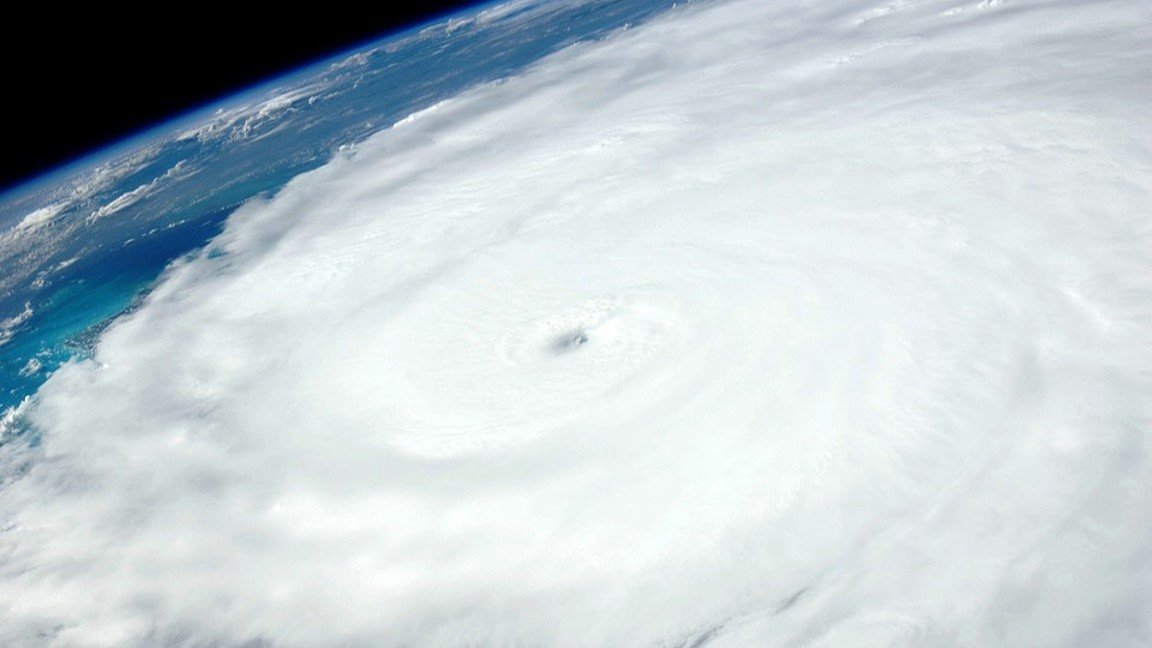

Impact-resistant windows, reinforced doors, roof anchoring, garage door bracing, and cleared drainage systems keep your home safe during hurricane season in Florida. The Federal Alliance for Safe Homes reports that 83% of hurricane damage occurs when wind enters through breached openings. Florida homeowners who implement comprehensive protection measures reduce storm damage by 60-85% compared to unprotected properties, according to the Insurance Institute for Business & Home Safety.
South Florida faces the highest hurricane risk in the United States, with Miami-Dade and Broward counties experiencing direct hurricane impacts every 5-7 years on average based on NOAA historical data from 1851-2024. Hurricane season runs from June 1 through November 30, with peak activity occurring between August 15 and October 15. The 2024 Atlantic hurricane season produced 18 named storms, including 5 major hurricanes that threatened Florida's coastline.
How to Hurricane Proof Your House in Florida?
Certified impact windows, reinforced entry systems, roof-to-wall hurricane straps, braced garage doors, and secured outdoor items hurricane proof your house in Florida. The Florida Building Code requires homes built after 2002 to meet High Velocity Hurricane Zone standards in coastal areas. Retrofitting older homes with these protections costs $15,000-$45,000 but increases property values by 4-7% while reducing insurance premiums 25-45%, according to the Florida Office of Insurance Regulation.
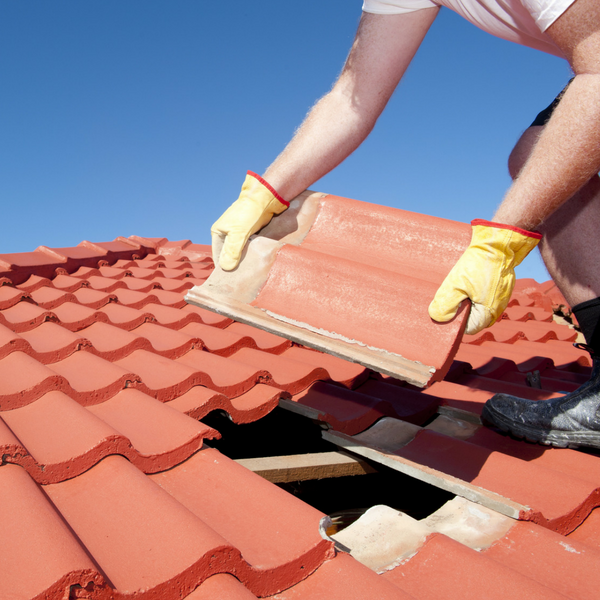
Install Impact-Resistant Windows and Doors
Hurricane impact windows in Doral installations withstand wind pressures up to 200 mph and debris impacts from 9-pound objects traveling at 50 feet per second. The University of Florida's International Hurricane Research Center found that homes with complete impact window protection suffer 95% less interior damage than homes with standard windows.
Miami-Dade County requires all window replacements to meet Notice of Acceptance standards proving resistance to Design Pressure ratings of DP-50 or higher. These ratings indicate windows can handle sustained wind loads of 180-200 mph in High Velocity Hurricane Zone areas. Impact windows use laminated glass with polyvinyl butyral interlayers that hold glass fragments together after breaking, preventing wind entry even when cracked.
Impact-resistant door installations in Doral require equal attention to window protection. Entry doors face direct wind pressure and flying debris during storms. Standard wood or fiberglass doors fail at wind speeds of 90-110 mph, while certified impact doors withstand Category 5 conditions. Multi-point locking systems distribute wind loads across door frames instead of concentrating stress on single deadbolts.
The Florida Division of Emergency Management reports that impact-resistant openings reduce insurance premiums by an average of $1,800-$3,200 annually for Miami-Dade County homeowners. These savings offset installation costs within 8-12 years while providing year-round benefits including 40% energy cost reductions and 60% noise reduction.
Reinforce Roof-to-Wall Connections
Hurricane straps, also called tie-downs, anchor roof trusses directly to wall structures using galvanized metal connectors. The Federal Emergency Management Agency's wind retrofit studies show that hurricane straps reduce roof failure probability by 70-85% in Category 3-4 hurricanes. Homes built before 1992 typically used only nails to connect roofs to walls, and these nails pull free under sustained wind suction.
Professional retrofit installation of hurricane straps costs $2,000-$4,500 for typical 2,000 square foot homes. Building inspectors require permits for this structural work, and installation must follow current Florida Building Code specifications. Each connection point must resist uplift forces of 1,500-2,000 pounds based on building height and wind zone classification.
Roof sheathing attachment also requires upgrading in older homes. Pre-1994 construction often used 6-inch nail spacing on roof decking. Current codes mandate 4-inch spacing with ring shank nails that resist withdrawal 40% better than smooth nails. This upgrade costs $1,500-$3,000 during re-roofing projects.
Brace Garage Doors
Garage doors represent the largest opening in most homes, typically spanning 112-192 square feet. These surfaces face cumulative wind loads of 6,720-19,200 pounds in Category 3 hurricanes based on calculations from the American Society of Civil Engineers. When garage doors fail, wind pressurizes homes from inside, generating uplift forces that blow off roofs within 15-30 minutes.
Horizontal bracing kits cost $200-$400 and install across garage door panels using adjustable supports anchored to side walls. Vertical bracing systems add center supports that prevent door bowing under pressure. The Insurance Institute for Business & Home Safety testing demonstrates that properly braced garage doors withstand 50% higher wind loads than unbraced installations.
Impact-resistant garage doors designed for hurricane zones cost $1,800-$4,500 installed depending on size. These doors include reinforced panels, heavy-duty tracks, and wind-load-rated hardware. Miami-Dade County Product Control requires garage doors to meet same testing standards as windows, including large missile impact resistance.
Protect HVAC and Pool Equipment
Air conditioning condensers and pool pumps require anchoring to concrete pads using hurricane-rated straps or bolts. Unsecured equipment becomes dangerous projectiles in winds exceeding 100 mph. FEMA recommends straps rated for 150 mph winds minimum, installed by licensed HVAC or pool contractors.
Pool screens and enclosures fail frequently during hurricanes when not designed for high wind loads. Aluminum frame enclosures built to current Miami-Dade standards withstand 140-160 mph winds, while older installations fail at 90-110 mph. Screen replacement with reinforced mesh and additional frame bracing costs $3,000-$8,000 but prevents expensive damage to pool equipment and home windows from flying debris.
Secure Outdoor Items
Patio furniture, grills, planters, and decorative items become projectiles once wind speeds exceed 60 mph. A standard plastic patio chair weighing 8 pounds generates impact forces of 320 foot-pounds when traveling at 100 mph—enough to puncture standard windows or siding. The National Hurricane Center recommends moving all outdoor items inside 48 hours before hurricane arrival.
Items too large to store inside require anchoring with ground augers or tie-downs rated for specific weights. Pool equipment covers, generator enclosures, and storage sheds need supplemental anchoring beyond manufacturer specifications. Southeast Florida building codes require permanent outdoor structures to withstand 140-180 mph winds depending on proximity to coastline.
How to Prepare Your House for a Hurricane in Florida?
Window protection, drainage clearing, emergency supplies, generator preparation, and property documentation prepare your house for a hurricane in Florida. The Florida Division of Emergency Management recommends beginning preparations 7-10 days before predicted landfall. Homeowners following comprehensive preparation checklists experience 70% fewer insurance claims and 50% lower damage costs according to data from Citizens Property Insurance Corporation.
Install Storm Protection 48-72 Hours Before Landfall
Impact windows provide permanent protection requiring no pre-storm action. Homeowners with standard windows must install storm shutters or panels 48-72 hours before hurricane-force winds arrive. Accordion shutters deploy in 15-30 minutes per opening, while panel systems require 2-4 hours for whole-home installation depending on house size.
Plywood offers emergency protection when proper systems aren't available. Use 5/8-inch marine-grade plywood cut to extend 4 inches beyond window frames on all sides. Secure plywood every 18 inches using 2.5-inch exterior screws driven into wall studs, not just sheathing. Pre-cut and label plywood panels during off-season for quick installation when storms threaten.
Track installation delays increase during hurricane warnings when professional services become unavailable. ASP Windows and Doors customers with hurricane-rated impact protection avoid last-minute installation stress while maintaining full window functionality year-round.
Clear Drainage Systems
Clogged gutters and downspouts cause water backup that damages roofs, soffits, and home foundations. Hurricane rainfall rates reach 2-4 inches per hour during peak intensity, overwhelming blocked drainage systems within minutes. Clean gutters and downspouts 30 days before hurricane season begins and inspect again when tropical systems develop.
Extend downspouts 6-10 feet from foundations to prevent water pooling near homes. Install splash blocks or flexible extensions that direct water away from structures. Check that yard grading slopes away from foundations at 1-2% grade minimum—a 1-2 inch drop per 10 feet of distance.
French drains and yard drains require inspection for soil, debris, or root blockages. Professional drain cleaning costs $150-$400 but prevents flooding that causes $5,000-$25,000 in water damage. Test drainage systems by running water through them during inspections to verify proper flow.
Trim Trees and Remove Dead Branches
Trees within falling distance of homes pose serious risks during hurricanes. The University of Florida IFAS Extension recommends removing dead or diseased trees before hurricane season and trimming healthy trees to reduce wind resistance. Professional arborists identify structural weaknesses invisible to homeowners.
Strategic pruning removes 20-30% of tree canopy to allow wind passage while maintaining tree health. Remove all dead branches and weak V-shaped crotches where branches join trunks. Thin interior branches to reduce wind sail effect. Professional tree trimming costs $300-$1,200 per large tree but prevents $8,000-$25,000 in home damage from fallen trees.
Florida law holds property owners liable for tree damage to neighboring properties if negligence contributed to failures. Document tree maintenance with photos and service records. Some homeowner insurance policies exclude coverage for damage from known hazardous trees that owners failed to address.
Gather Emergency Supplies
FEMA recommends 7-14 days of emergency supplies for Florida hurricane preparation. Water requirements total 1 gallon per person per day—a family of four needs 28-56 gallons stored in food-grade containers. Non-perishable foods should require no cooking or refrigeration since power outages last 5-14 days after major hurricanes.
Medical supplies include 30-day prescriptions, first aid kits, and any necessary medical equipment with battery backup. Keep copies of prescriptions and medical records in waterproof containers. Battery-powered or hand-crank weather radios provide emergency alerts when internet and phone services fail.
Battery reserves should power flashlights, radios, and essential devices for 14 days minimum. LED flashlights use 75% less power than incandescent models, extending battery life significantly. Avoid candles which cause structure fires during power outages—the Florida Fire Marshal reports 300-500 candle-related fires during hurricane recovery periods.
Prepare Backup Power Systems
Portable generators sized 7,500-10,000 watts power essential home circuits including refrigerators, select lights, phone chargers, and medical equipment. Never operate generators inside garages, basements, or within 20 feet of homes—carbon monoxide kills 20-30 people during every major Florida hurricane according to state health department data.
Standby generators install permanently outside homes and activate automatically during power failures. Systems sized 18,000-22,000 watts power entire homes including air conditioning. Natural gas or propane fuel supplies last indefinitely unlike gasoline which requires refills every 8-12 hours. Professional installation costs $8,000-$15,000 but provides seamless power transitions.
Transfer switches safely connect generators to home electrical panels, preventing backfeed that kills utility workers. Manual transfer switches cost $400-$800 installed while automatic versions run $1,200-$2,000. All generator installations require electrical permits and inspections per Florida Building Code requirements.
Document Property for Insurance
Photograph or video record all rooms, belongings, and property conditions before hurricane season. Walk through homes systematically capturing images of furniture, electronics, appliances, clothing, and valuables. Record model and serial numbers for expensive items. Store documentation on cloud services accessible after storms.
List all valuable items with purchase dates and original costs. Create home inventory spreadsheets or use insurance company mobile apps designed for this purpose. Update documentation annually and after major purchases. Detailed records accelerate insurance claims processing and improve settlement amounts.
Photograph exterior property conditions including landscaping, fences, pool equipment, and structures. Document existing damage before storms to distinguish hurricane damage from pre-existing conditions. Insurance adjusters reference these records when evaluating claims.
8 Critical Steps for Hurricane Season Home Safety
Comprehensive hurricane preparation requires systematic attention to multiple home systems and safety protocols. Follow this proven checklist to maximize protection.
1. Verify Insurance Coverage Adequacy
Review homeowner insurance policies 60-90 days before hurricane season. Standard policies exclude flood damage—separate flood insurance through the National Flood Insurance Program costs $400-$2,000 annually depending on flood zone. Flood policies require 30-day waiting periods before activation, making early purchase critical.
Wind deductibles for hurricane damage typically range from 2-10% of insured values. A home insured for $400,000 with a 5% hurricane deductible requires owners to pay the first $20,000 in repairs. Understanding deductibles prevents surprise costs after storms.
Document all policy details including coverage limits, deductibles, exclusions, and claim procedures. Keep paper copies in waterproof containers and digital copies on cloud storage. Review replacement cost versus actual cash value coverage—replacement cost policies pay full rebuild costs while actual cash value policies depreciate for age.
2. Create Evacuation Plans
Know your home's evacuation zone designation using county emergency management websites. Miami-Dade and Broward counties use Zone A (highest risk) through Zone E (lowest risk) classifications. Zones A and B face mandatory evacuation for Category 3+ hurricanes, while Zone C evacuates for Category 4-5 storms.
Identify evacuation routes and destinations before emergencies arise. Plan primary and alternate routes since some roads close during evacuations. Book hotel reservations 3-5 days before landfall when availability remains good. Hotels within 100-150 miles typically sell out 24-36 hours before hurricane arrival.
Prepare pet evacuation plans since most public shelters prohibit animals. Research pet-friendly hotels or arrange stays with family or friends. Maintain current vaccination records required by boarding facilities. Pack 14 days of pet food, medications, and supplies.
3. Protect Important Documents
Store original documents including deeds, titles, insurance policies, passports, birth certificates, and financial records in waterproof, fireproof safes. Bank safe deposit boxes provide additional protection but become inaccessible during evacuations. Create digital copies stored on encrypted cloud services.
Financial preparation includes accessing cash since ATMs and credit card systems fail during power outages. Keep $500-$1,000 cash in small denominations for emergency purchases. Gas stations, grocery stores, and hotels accept cash when electronic payment systems are down.
Update contact lists with phone numbers for insurance agents, contractors, family members, and emergency services. Program numbers into cell phones and keep written copies in go-bags. Designate out-of-state contacts who can relay information if local communications fail.
4. Seal Home Exterior Penetrations
Caulk gaps where utility lines, pipes, or wires enter homes. Even small gaps allow hurricane-force winds to penetrate wall cavities, increasing interior pressure and damaging structures. Inspect foundations, soffits, and wall penetrations annually before hurricane season.
Replace damaged or missing roof shingles and tiles that could blow off during storms. Secure loose tiles with roofing cement applied to undersides. The Insurance Information Institute reports that 25-40% of hurricane home damage results from missing roof coverings that allow water intrusion.
Inspect and repair soffit vents, ridge vents, and gable vents. Install baffles behind vents to prevent wind-driven rain entry while maintaining attic ventilation. Check that exhaust vents include dampers that close during high winds.
5. Test and Maintain Storm Shutters
Storm shutters require annual maintenance to function properly during emergencies. Accordion shutters need track cleaning and lubrication. Roll-down shutters require motor testing and battery backup verification. Panel systems need inspection for corrosion, missing bolts, or damaged tracks.
Test deployment 30-60 days before hurricane season while repair time remains available. Contact manufacturers immediately if shutters malfunction. Replacement parts require 2-6 weeks for delivery, making early testing essential. Keep instruction manuals accessible for reference during emergencies.
Paint or coat metal shutter components to prevent rust that causes operational failures. Apply silicone lubricant to tracks and hinges annually. Store panel shutters where moisture cannot cause corrosion. Label all components for quick identification during emergency deployment.
6. Anchor Pool Equipment and Outdoor Structures
Swimming pool pumps, heaters, and filtration equipment require anchoring with hurricane-rated straps. Turn off and drain pool equipment 24-48 hours before hurricane arrival to prevent water damage. Lower pool water levels 12-18 inches below normal to accommodate rainfall without overflow.
Secure pool furniture and accessories that could become projectiles. Store items inside garages or homes. Pool nets and cleaning equipment left loose cause damage to pools and homes during hurricanes. A 20-pound pool brush traveling at 100 mph generates 800 foot-pounds of impact force.
Screen enclosures and patio covers need inspection for loose panels, corroded frames, or weakened connections. Reinforce or remove these structures if they don't meet current wind load requirements. Failing pool enclosures generate dangerous debris that damages entire neighborhoods.
7. Prepare for Power Outages
Charge all electronic devices 24 hours before expected power loss. Portable battery packs provide phone charging for 3-5 days. Solar chargers work when sunlight returns after storms. Maintain vehicle fuel tanks at 75-100% capacity during hurricane threats—vehicles provide charging stations and air conditioning during extended outages.
Set refrigerators to coldest settings before losing power. Full refrigerators and freezers maintain safe temperatures 24-48 hours if doors remain closed. Place frozen water bottles in refrigerators to extend cooling duration. Discard perishable foods after 4 hours above 40°F to prevent foodborne illness.
Unplug electronics and appliances to prevent damage from power surges when electricity returns. Surge protectors provide limited defense against utility-level voltage spikes common after hurricanes. Leave one light switched on to indicate when power restoration occurs.
8. Review and Practice Emergency Plans
Family meetings reviewing hurricane plans should occur 60-90 days before season begins and again when storms threaten. Assign specific responsibilities to family members including shuttering windows, securing outdoor items, gathering supplies, and caring for pets.
Practice evacuation routes during non-emergency periods to identify challenges like traffic bottlenecks, confusing intersections, or closed roads. Time drives to evacuation destinations to accurately plan departures. Account for 3-4 times normal travel duration during mass evacuations.
Establish communication plans including meeting locations if family separates during evacuations. Program emergency contacts into phones and keep written copies. Register with county emergency management for evacuation assistance if family members have mobility limitations.
Hurricane Season Timeline for Florida Homeowners
Begin preparations in April-May with home inspections and system tests. Complete retrofits in May-June before peak season. Monitor weather June-November with final preparations 7-10 days before landfall. This timeline maximizes readiness while avoiding last-minute shortages and service delays that occur during hurricane warnings.
April-May: Pre-Season Preparation
Schedule professional home inspections including roof, windows, doors, and drainage systems. Address any identified weaknesses before June 1 season start. Book contractor services early—availability decreases 60-80% once season begins.
Test generators, storm shutters, and backup systems. Replace batteries in weather radios, smoke detectors, and carbon monoxide alarms. Inspect and restock emergency supply kits. Verify medication supplies cover 30-day needs.
Purchase hurricane supplies during off-season sales when selection remains good and prices stay lower. Plywood, batteries, and generators see 30-50% price increases during hurricane warnings. Build supply inventory gradually to spread costs across several months.
June-August: Peak Preparation Period
Complete any remaining retrofits or installations before August 1 when tropical activity intensifies. Atlantic hurricane season produces 60% of named storms between August 15 and October 15 based on NOAA climatology data.
Review insurance coverage and update documentation. Photograph any home improvements or purchases made since last review. Verify coverage limits reflect current replacement costs—construction costs increased 25-40% since 2020.
Monitor National Hurricane Center forecasts beginning August 1. Subscribe to local emergency management alerts. Download official weather apps including NOAA Weather Radio and local news station applications. Identify which local radio and TV stations operate emergency broadcasts.
September-November: Active Season Monitoring
Check weather forecasts daily during peak months. Begin heightened preparation when tropical systems develop in Caribbean or Gulf of Mexico. Atlantic systems typically require 5-7 days to reach Florida after formation, though rapid intensification can reduce warning times to 48-72 hours.
Implement 7-day preparation checklist when forecasts show 40-60% probability of impacts to your region. Fill prescriptions, stock groceries, and cash withdrawals. Begin securing outdoor items and testing storm protection systems.
Execute final preparations 48 hours before hurricane-force winds arrive. Install storm protection, evacuate if required, and complete all outdoor work. Once tropical storm force winds begin, outdoor activity becomes dangerous due to flying debris and sudden wind gusts.
Post-Hurricane Safety and Recovery
Wait for official all-clear announcements before returning home or venturing outside after hurricanes pass. Wind speeds can return to dangerous levels as storms move through regions. The National Weather Service reports 25-35% of hurricane injuries occur after eye passage when people mistakenly believe storms have ended.
Immediate Post-Storm Actions
Inspect homes for structural damage before entering. Look for sagging roofs, cracked walls, or unstable chimneys. Contact professional inspectors if structural integrity appears compromised. Entering damaged structures causes 40-50 injuries and 5-10 deaths per major hurricane according to FEMA data.
Photograph all damage immediately for insurance documentation. Include wide shots showing overall damage and close-ups of specific problems. Video walkthroughs capture details often missed in still photos. Avoid cleaning or repairs until insurance adjusters document damage.
Check for gas leaks, water damage, and electrical problems. Shut off utilities if damage appears present. Never use generators, grills, or camp stoves inside homes or garages—carbon monoxide poisoning kills 20-40 people during every major Florida hurricane. Call utilities to report outages and request service restoration.
Damage Assessment and Repairs
Contact insurance companies within 24-48 hours of storm passage to initiate claims. High claim volumes after major hurricanes delay adjuster visits 7-21 days. Begin temporary repairs to prevent additional damage like tarping roofs, but save damaged materials for adjuster inspection.
Request repair estimates from multiple licensed contractors. Verify licenses through Florida Department of Business and Professional Regulation. Post-hurricane contractor fraud increases 200-300% as scammers target desperate homeowners. Never pay full costs upfront—typical deposits range 10-30% with remainder paid upon completion.
Prioritize repairs in order of urgency: temporary roof protection, window/door security, water extraction, mold prevention, and structural repairs. Water damage creates mold growth within 24-48 hours, requiring immediate attention. Professional water extraction costs $2,000-$8,000 but prevents $10,000-$40,000 in mold remediation expenses.
Protect your South Florida home with certified hurricane impact windows and doors. ASP Windows & Doors specializes in Miami-Dade County approved protection systems that eliminate pre-storm preparation stress. Our impact-resistant installations withstand Category 5 conditions while reducing insurance premiums 25-45%.
Contact us today at (888) 782-8342 for a free home assessment. Our experienced team serves Doral, Kendall, Fort Lauderdale, Naples, and all South Florida communities with professional installation backed by lifetime warranties. Schedule your consultation now—before the next hurricane season begins.
Now Accepting Appointments
Proudly serving homeowners and businesses across South Florida and Southwest Florida. Book your visit and let our experts help protect and upgrade your space.
.avif)
.avif)
.avif)
%201.avif)
Insights & Resources
Stay informed with expert tips on impact windows, hurricane protection, and South Florida building standards.


%201.webp)
%201%20(1).webp)

%201.svg)
%201%20(1)%20(1).webp)
.png%20(1).webp)
.png.webp)
.avif)
.avif)


.avif)


.png)
.png)