.avif)


What Causes Windows to Break in a Hurricane?
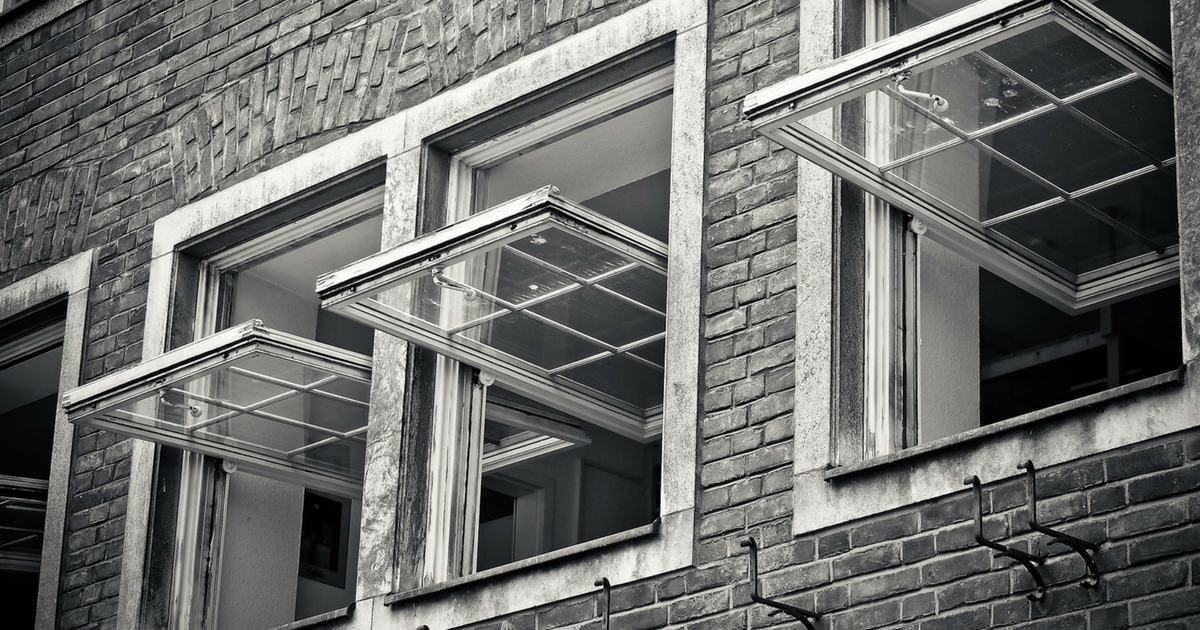

Windows break during hurricanes from wind pressure differences, flying debris impact, poor installation, and inadequate structural support. Wind speeds exceeding 74 mph create pressure imbalances that push glass outward while debris strikes from outside. Standard residential windows fail at wind speeds of 77-110 mph, while impact-resistant windows withstand winds up to 200 mph.
South Florida experiences 8-12 tropical systems annually between June and November. Miami-Dade and Broward counties require impact-resistant windows in new construction since 1994. These regulations followed Hurricane Andrew's destruction of 63,000 homes in 1992.

Which Windows Are Most Vulnerable in a Hurricane?
Single-pane windows, sliding glass doors, large picture windows, and improperly installed frames face the highest failure risk during hurricanes. Windows on upper floors and corner locations experience 40-60% more wind pressure than ground-level openings. Older homes built before 1994 lack modern wind resistance standards.
Single-Pane Window Vulnerabilities
Single-pane glass shatters at wind pressures of 30-50 pounds per square foot. Category 1 hurricanes generate pressures exceeding 40 PSF at 80 mph wind speeds. The glass breaks into large, sharp pieces that cause severe injuries and allow wind entry.
Homes with single-pane windows suffer 3-4 times more interior damage than impact-resistant installations. Water intrusion through broken windows destroys furniture, electronics, and structural components. Insurance claims from window failures average $15,000-$35,000 per storm.
Large Opening Risks
Picture windows spanning 6-8 feet create expansive weak points in exterior walls. The glass flexes under wind loads until stress fractures develop along edges. Corner bracing cannot prevent failure once cracks begin.
Sliding glass door systems fail when tracks separate from frames or rollers detach during pressure fluctuations. The doors typically measure 6-12 feet wide, creating massive openings when failing. Wind entering through failed sliders increases interior pressure by 25-40%, blowing off roofs or collapsing walls.
Upper Floor Exposure
Second and third-story windows face wind speeds 15-25% higher than ground level openings. Trees and buildings provide less wind blocking at elevated heights. Corner rooms experience converging wind streams that multiply pressure loads.
Balcony doors and windows receive direct wind impact without ground-level obstruction. Studies show upper-floor window failures occur 30-45 minutes earlier than ground-floor openings during hurricanes. Early failures allow wind entry that pressurizes entire buildings.
Older Installation Methods
Pre-1994 construction used nails instead of structural screws for window installation. Nails pull free under sustained wind loads while screws maintain anchoring. Homes older than 30 years require installation upgrades before hurricanes arrive.
Caulking deteriorates after 10-15 years, creating gaps between frames and wall structures. Wind penetrates gaps and lifts frames from openings. Annual inspections identify failing seals before storm season begins.
What If a Window Breaks During a Hurricane?
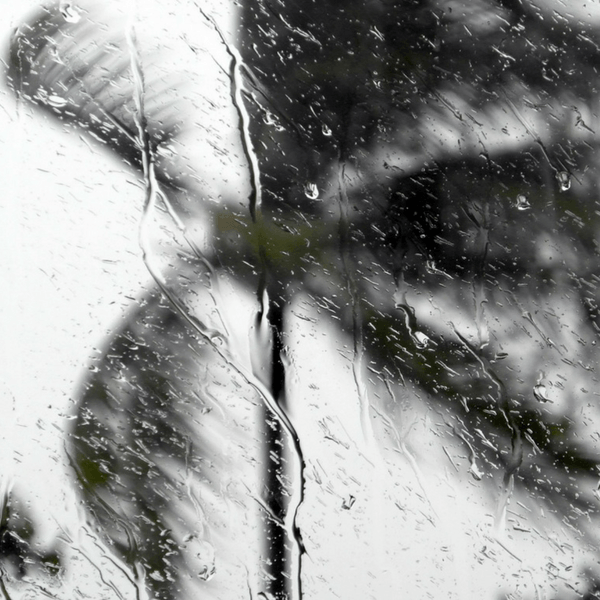
Immediate actions include moving to interior rooms away from broken openings, covering the breach with plywood or heavy furniture, and avoiding glass areas until winds subside. Broken windows allow wind to enter homes, increasing interior pressure that can blow off roofs or collapse walls within 15-30 minutes.
Immediate Safety Actions
Move family members to interior bathrooms or closets without windows. Bring emergency supplies including water, flashlights, first aid kits, and phones. Close interior doors between broken windows and safe rooms to slow pressure buildup.
Cover broken openings with mattresses, heavy furniture, or stored plywood if wind speeds allow safe movement. Partial coverage reduces wind entry by 40-60% compared to open breaches. Avoid attempting repairs during peak wind conditions when debris flies at deadly speeds.
Pressure Equalization Dangers
Wind entering through one broken window pressurizes homes from inside. The pressure seeks release through roofs, which typically blow off when interior pressure exceeds 15-20 PSF. Roof loss exposes entire homes to rain and wind.
Opening doors or windows on opposite sides does not equalize pressure safely. This outdated advice increases wind flow through homes, accelerating structural damage. Modern building science recommends keeping all intact openings closed during storms.
Post-Break Priorities
Document damage with photos and videos for insurance claims once safe to move. Check for water intrusion in walls, ceilings, and electrical systems. Turn off electricity to rooms with broken windows until professional inspections confirm safety.
Contact emergency services if injuries occur from flying glass. Cuts from hurricane-broken windows often require stitches due to large shard sizes. Keep injured persons away from broken glass areas to prevent additional cuts.
Temporary Protection Methods
Tarp broken openings from inside using heavy-duty materials secured to wall studs. Overlap tarp edges by 12-18 inches and use furring strips with screws every 6 inches. Proper tarping prevents additional water damage until permanent repairs begin.
Remove remaining glass carefully while wearing protective gloves and eyewear. Sharp fragments continue falling from frames for hours after initial breakage. Sweep and vacuum thoroughly to prevent injury during cleanup activities.
4 Primary Causes of Hurricane Window Failure
Understanding failure mechanisms helps homeowners prevent window loss during severe weather. Each cause requires specific preventive measures before hurricanes arrive.
Wind Pressure Differential
Hurricane winds create positive pressure on windward walls while generating negative pressure on leeward sides. The pressure difference pulls windows outward from frames. Category 3 hurricanes generate 40-80 PSF pressure differences that exceed standard window ratings.
Modern hurricane impact windows in Doral installations withstand pressure differentials up to 150 PSF through reinforced frames and laminated glass. The windows flex during wind gusts but return to original positions without breaking. Testing standards require windows to survive 9,000 cycles of pressure loading.
Wind pressures increase exponentially with speed. A 100 mph wind creates four times more pressure than a 50 mph wind. Coastal homes face sustained winds for 6-10 hours during major hurricanes, requiring windows that maintain integrity throughout extended exposure.
Flying Debris Impact
Wind-borne debris causes 60-70% of window failures during hurricanes. Objects include roof tiles, tree branches, patio furniture, trash cans, and building materials. A 2x4 board traveling at 100 mph generates 400 foot-pounds of impact force.
Standard windows shatter immediately upon debris impact. The glass breaks into sharp pieces that cause injuries and allow wind entry. Impact-resistant windows use laminated glass with polyvinyl butyral interlayers that hold fragments together after breaking. The glass cracks but remains in frames, maintaining home protection.
Miami-Dade County testing requires windows to withstand impacts from 9-pound 2x4 boards fired at 50 feet per second. Windows must survive multiple impacts without breaches. Certified products display Notice of Acceptance numbers proving compliance with testing standards.
Inadequate Installation
Improper installation causes 30-40% of window failures even when using quality products. Common errors include insufficient fasteners, incorrect spacing, missing sealants, and weak attachment points. Windows require connection to wall studs or reinforced concrete, not just exterior sheathing.
Professional installers use structural screws every 8-12 inches around window perimeters. The screws penetrate studs by minimum 1.5 inches. Installation teams apply continuous sealant beads to prevent water infiltration that weakens connections over time.
Frame anchoring must resist withdrawal forces exceeding 1,500 pounds per fastener. Testing confirms proper installation through pressure chamber tests that simulate hurricane conditions. Impact-resistant door installations in Doral require identical attention to fastening details.
Structural Deterioration
Windows installed 15-20 years ago experience frame corrosion, seal degradation, and fastener loosening. Salt air accelerates corrosion in coastal areas, weakening aluminum and steel components. Annual inspections identify deterioration before hurricane season begins.
Caulk joints shrink and crack, allowing water penetration that rots wood frames or corrodes metal. Re-caulking every 5-7 years maintains weathertight seals. Fastener inspection reveals loose screws that require tightening or replacement with longer alternatives.
Glass seal failures allow moisture between panes, reducing structural integrity. The windows appear foggy or cloudy between glass layers. Seal failures indicate glass replacement needs before storms arrive.
How Impact Windows Prevent Hurricane Damage
Impact-resistant windows use laminated glass, reinforced frames, and structural anchoring to withstand Category 5 hurricane conditions. The windows meet Miami-Dade County testing protocols that simulate 200 mph winds and multiple debris impacts. Properly installed systems reduce interior damage by 95% compared to standard windows.
Laminated Glass Technology
Impact glass consists of two glass panes bonded to polyvinyl butyral interlayers. The PVB remains flexible while bonding glass fragments after impact. The technology originated in automotive windshields and adapted for hurricane protection.
Standard impact glass measures 7/16 to 9/16 inches thick with PVB layers of 0.060 to 0.090 inches. Some manufacturers use multiple PVB layers for enhanced protection. The glass withstands repeated impacts without breaching, maintaining home envelope integrity.
Heavy hurricane-rated impact protection includes additional glass thickness and PVB layers for extreme conditions. The systems protect high-rise buildings and coastal properties facing maximum wind exposure. Testing proves performance through destructive examination of failed samples.
Reinforced Frame Systems
Impact window frames use heavy-gauge aluminum or vinyl with internal reinforcement. Wall thicknesses measure 0.125 to 0.250 inches compared to 0.062 inches in standard windows. Corner joints receive additional bracing through welded or mechanically fastened reinforcement.
Frames anchor to structures through multiple points spaced 8-12 inches apart. The anchors penetrate load-bearing components deep enough to resist withdrawal forces exceeding 1,500 pounds each. Engineers calculate required fastener quantities based on window sizes and design pressures.
Continuous weather sealing prevents water infiltration during wind-driven rain events. Multiple seal layers create redundant protection if outer seals fail. Drainage channels remove water that penetrates first defense layers.
Testing and Certification
Miami-Dade County Product Control Division requires manufacturers to submit windows for rigorous testing. The tests include large missile impacts, small missile impacts, and cyclic pressure loading. Windows must pass all tests without breaches or frame failures.
Large missile testing fires 9-pound 2x4 boards at windows from 50 feet away. The boards travel at 50 feet per second, simulating wind-borne debris. Windows must withstand impacts without glass breaching frames. Cracked glass remaining in place passes testing requirements.
Cyclic pressure testing applies positive and negative pressures 9,000 times to simulate hours of hurricane-force winds. Pressures reach design levels specified for building locations and heights. Windows cannot show frame deformation or seal failures after testing completes.
Which Window Types Provide Best Hurricane Protection?
Fixed impact windows, casement impact windows, and impact sliding glass doors offer superior hurricane protection compared to single-hung or double-hung designs. Fixed windows lack moving parts that create weak points during storms. Casement windows seal tightly when closed, preventing wind penetration.
Fixed Impact Windows
Fixed windows contain no operating mechanisms that could fail during hurricanes. The glass bonds directly to frames without gaps or movement points. Structural performance exceeds operable window types by 15-20% in pressure testing.
Installation costs run 10-20% lower than comparable operable windows due to simplified construction. The windows work well for locations requiring natural light without ventilation needs. Combining fixed units with operable windows balances protection and functionality.
Casement Impact Windows
Casement windows compress weatherstripping when closing, creating superior air and water seals. The compression seals resist wind penetration better than sliding contact seals. Locking mechanisms pull sashes tight against frames during closure.
Multiple locking points distribute wind loads across frame perimeters instead of concentrating stress at single locations. Three-point or four-point locking systems provide optimal performance. Hardware must meet heavy-duty specifications to resist wind loads.
Impact Sliding Glass Doors
Modern impact sliding doors use multi-point locking systems that secure panels at top, bottom, and mid-height positions. The locks prevent wind from lifting or shifting panels during storms. Reinforced tracks and rollers maintain alignment under extreme loads.
Large door openings require heavy-duty glazing and frame construction. Glass thicknesses increase to 9/16 or 5/8 inches for doors spanning 8-12 feet. The increased weight requires commercial-grade rollers and tracks. Professional installation ensures proper alignment and operation.
Cost Comparison: Hurricane Window Protection Methods
Budget considerations affect protection choices, but long-term costs often favor permanent solutions over temporary measures.
Impact windows cost more initially but eliminate pre-storm installation labor and provide year-round benefits. Energy savings average $200-400 annually in South Florida. Insurance discounts of 25-45% offset costs within 7-10 years.
Energy Efficiency Benefits
Impact windows include Low-E coatings and argon gas fills that reduce cooling costs. The windows block 99% of UV radiation that fades furniture and flooring. Summer heat gain decreases 40-60% compared to standard windows.
Annual energy savings range from $180 to $420 for typical South Florida homes. The savings continue for 25-30 years, totaling $4,500 to $12,600 over window lifespans. Reduced air conditioning usage extends HVAC system life by 3-5 years.
Noise Reduction Advantages
Laminated impact glass blocks 40-60% more noise than standard windows. Street traffic, aircraft, and neighbor sounds decrease noticeably after installation. Bedrooms and home offices benefit most from improved acoustic performance.
Properties near airports, highways, or entertainment districts gain significant value from noise reduction. Real estate comparisons show 3-5% price premiums for homes with impact windows in noisy locations.
Hurricane Window Maintenance and Inspection
Annual inspections before June 1st identify potential failures before hurricane season begins. Homeowners check seals, frames, hardware, and glass for deterioration signs. Professional inspections cost $75-150 and include documentation for insurance purposes.
Pre-Season Inspection Checklist
Examine caulking around window perimeters for cracks, gaps, or separation. Remove old caulk and apply fresh beads where deterioration appears. Check that glass remains clear without cloudiness indicating seal failures.
Test all locks and operating mechanisms for smooth function. Lubricate hinges and tracks using silicone spray. Verify weatherstripping maintains compression when windows close. Replace worn weatherstripping before season starts.
Inspect frames for corrosion, cracks, or deformation. Check fastener heads remain tight against frames without loosening. Tighten any loose screws or replace with longer alternatives if original holes stripped.
During Hurricane Season
Close and lock all windows 48 hours before predicted hurricane arrival. Test that locks engage fully without forcing. Remove exterior objects that could become projectiles in high winds.
Document window conditions with photos showing closed and locked states. The documentation supports insurance claims if failures occur despite proper preparation. Store photos on cloud services accessible after storms.
Post-Storm Assessment
Inspect windows immediately after hurricanes pass for cracks, seal failures, or frame damage. Document all damage with photos before beginning cleanup. Contact insurance adjusters within 72 hours of storm passage.
Check surrounding areas for impacts that may have damaged glass without visible signs. Small cracks expand over time, requiring early detection. Professional inspections identify hidden damage missed during initial surveys.
Hurricane Preparedness Beyond Windows
Complete storm protection requires attention to doors, roofing, and structural connections. Weak links in building envelopes negate window protection when failures occur elsewhere.
Door System Protection
Entry doors require same impact resistance as windows. Standard wood or fiberglass doors fail under debris impacts. Impact door systems include reinforced frames, multi-point locks, and laminated glass inserts.
Garage doors face extreme wind pressures due to large surface areas. Reinforcement kits add horizontal and vertical bracing that prevents door collapse. Collapsed garage doors pressurize homes through large openings, causing roof failures.
Roof and Soffit Vulnerabilities
Roof-to-wall connections require hurricane straps or clips that prevent uplift. Older homes used only nails that pull free under wind suction. Retrofit hardware installation strengthens connections before storms arrive.
Soffit vents without proper backing allow wind entry into attic spaces. The wind pressurizes attics from inside, lifting roof decking. Baffles behind vents prevent air intrusion while maintaining ventilation.
Protect your South Florida home with certified hurricane impact windows. ASP Windows & Doors specializes in Miami-Dade County approved window and door systems designed for maximum storm protection. Our installations meet all Florida Building Code requirements with lifetime warranty coverage.
Contact us today at (888) 782-8342 for a free home assessment. Our experienced team serves Doral, Kendall, Fort Lauderdale, Naples, and surrounding areas. Schedule your consultation to learn how impact-resistant windows protect your family and property during hurricane season.
Now Accepting Appointments
Proudly serving homeowners and businesses across South Florida and Southwest Florida. Book your visit and let our experts help protect and upgrade your space.
.avif)
.avif)
.avif)
%201.avif)
Insights & Resources
Stay informed with expert tips on impact windows, hurricane protection, and South Florida building standards.


%201.webp)
%201%20(1).webp)

%201.svg)
%201%20(1)%20(1).webp)
.png%20(1).webp)
.png.webp)
.avif)
.avif)


.avif)


.png)
.png)